Quote · Added 14 February 2026
Always desire to learn something useful.
No ratings yet
Quote · Added 14 February 2026
There's a quiet rebellion in this idea, especially now. We're drowning in information but starving for purpose. Everyone talks about lifelong learning like it's a trendy subscription service, but Sophocles is pointing at something sharper: the learning has to matter. Not just be interesting or impressive or easy to post about. Useful means it changes what you can actually do.
The tricky part is that usefulness isn't always obvious upfront. Learning to cook a new dish seems practical until you realize it also teaches you patience, chemistry, and how to recover from mistakes. Reading about history feels abstract until it suddenly explains why your workplace operates the way it does. The useful stuff often hides inside things that look like pure curiosity. So the real discipline is staying alert to connections—noticing when something you're learning is quietly reshaping how you think or act, even if it took months to show up.
What makes this different from just "always learn" is the word desire. This isn't duty or resume-building. It's about tuning your hunger toward things that actually bend your life forward. In a world optimized for distraction, that's almost radical.
d. 406
Sophocles was an ancient Greek playwright and one of the three ancient Greek tragedians whose works have survived. Born around 496 BC in Colonus, Athens, he is best known for his plays "Oedipus Rex," "Antigone," and "Electra," which explore complex themes of fate, ethics, and human suffering. Sophocles is also notable for introducing innovations in theatrical performance, such as the use of scenery and the introduction of a third actor, which greatly influenced the development of drama.
Also by Sophocles
Heaven never helps the man who will not act.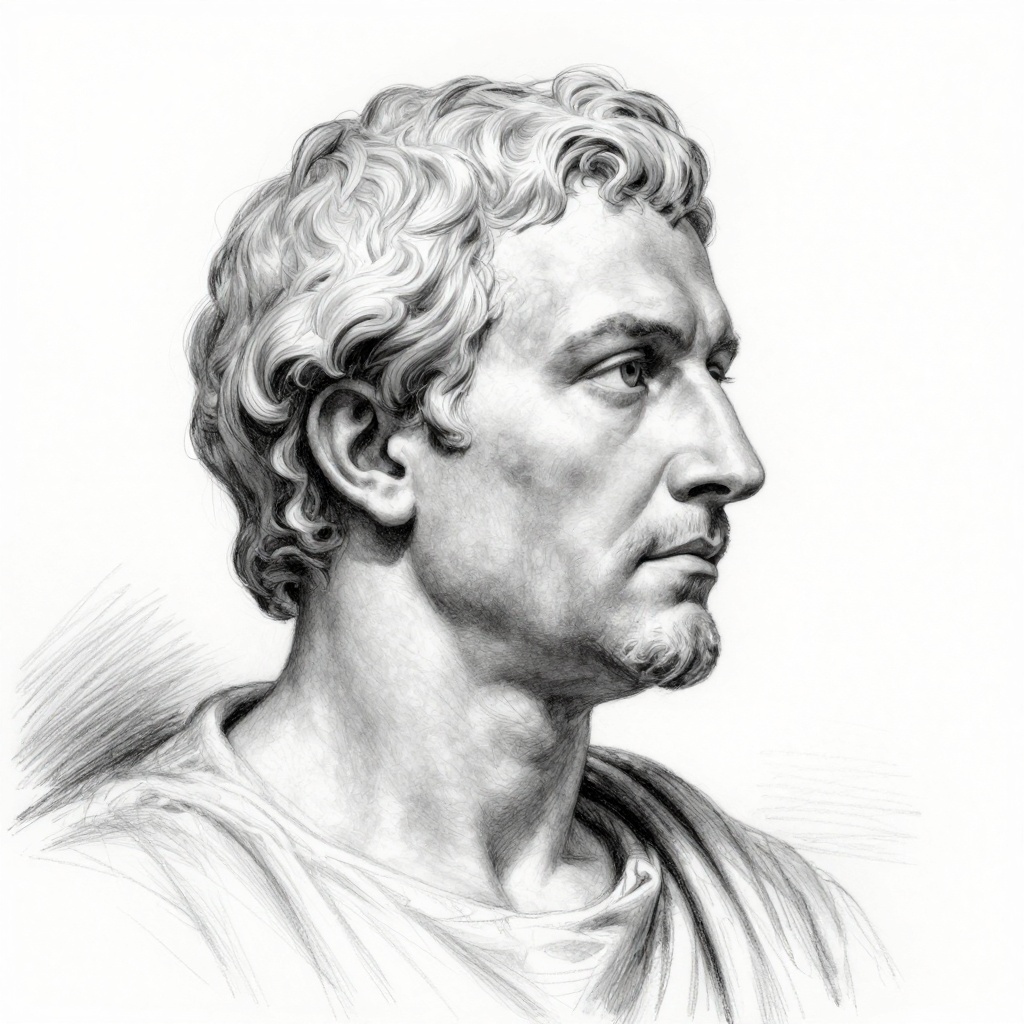
Comments