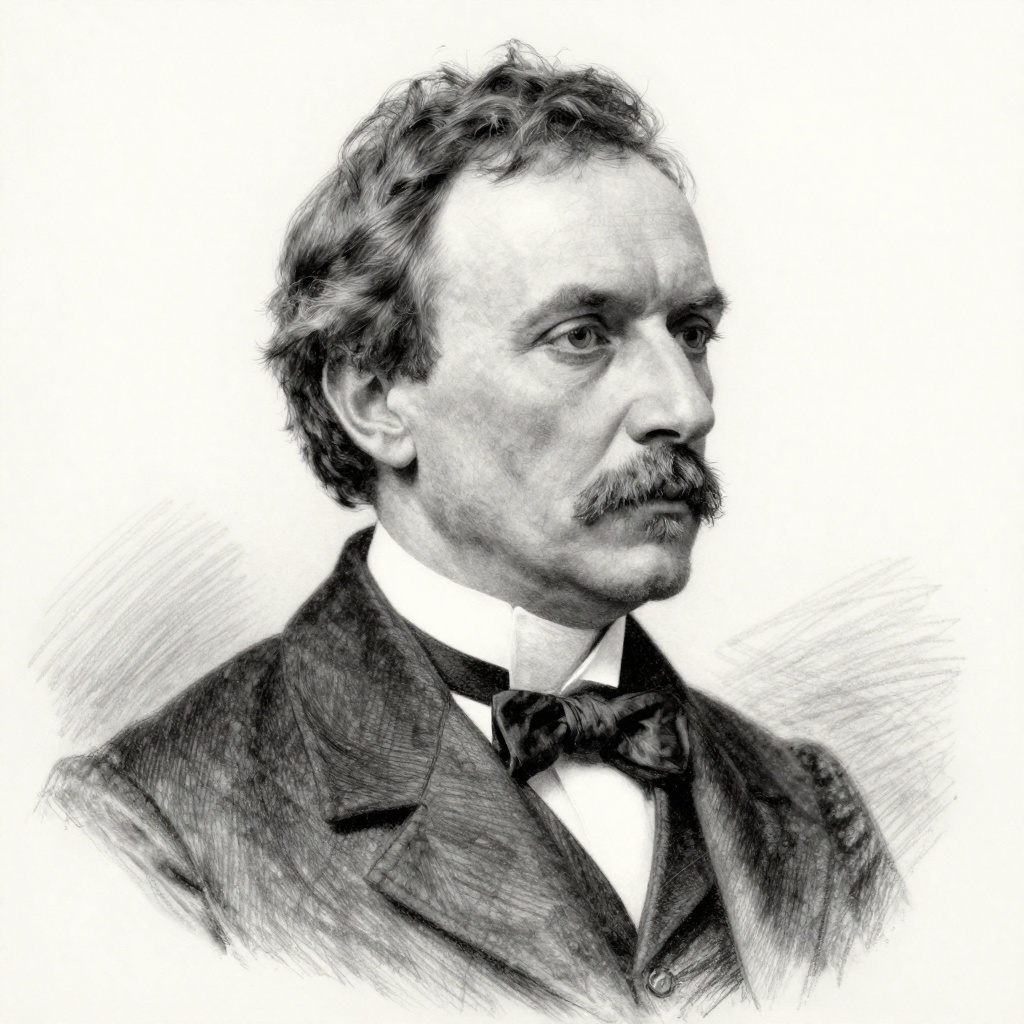
Lost wealth may be replaced by industry, lost knowledge by study, lost health by temperance or medicine, but l... — Samuel Smiles

Lost wealth may be replaced by industry, lost knowledge by study, lost health by temperance or medicine, but lost time is gone forever.

Author: Samuel Smiles

Insight: Time is the one resource we genuinely can't get back, yet we treat it like it's unlimited. You can earn more money next year. You can learn that skill later. You can start eating better tomorrow. But those hours scrolling mindlessly, those days spent putting off what matters, those conversations you never had—they're just gone. No refund, no do-over, no amount of future effort retrieves them. What makes this sting is how we fool ourselves about it. We assume we're "just taking a break" or that we'll make it up later, as if time has a makeup exam window. But there's a difference between time and every other loss. Rebuild your savings through hard work and discipline. Restore your knowledge through study. Your health can improve with better habits. None of that is easy, but they're all possible because the future is still open. Time that's passed, though—it's already written into history. You can't industry your way back to yesterday. The practical weight of this hits differently once you notice how much time you're actually spending on things that don't matter to you. Not because you're lazy or broken, but because nobody taught you that your time was actually finite and irreplaceable. It's the most valuable thing you own, and most of us treat it like it's worthless.

The only loss you can't fix

Lost wealth may be replaced by industry, lost knowledge by study, lost health by temperance or medicine, but lost time is gone forever.

Time is the one resource we genuinely can't get back, yet we treat it like it's unlimited. You can earn more money next year. You can learn that skill later. You can start eating better tomorrow. But those hours scrolling mindlessly, those days spent putting off what matters, those conversations you never had—they're just gone. No refund, no do-over, no amount of future effort retrieves them.

What makes this sting is how we fool ourselves about it. We assume we're "just taking a break" or that we'll make it up later, as if time has a makeup exam window. But there's a difference between time and every other loss. Rebuild your savings through hard work and discipline. Restore your knowledge through study. Your health can improve with better habits. None of that is easy, but they're all possible because the future is still open. Time that's passed, though—it's already written into history. You can't industry your way back to yesterday.

The practical weight of this hits differently once you notice how much time you're actually spending on things that don't matter to you. Not because you're lazy or broken, but because nobody taught you that your time was actually finite and irreplaceable. It's the most valuable thing you own, and most of us treat it like it's worthless.

AI generated

Comments

Sign in to leave a comment or reply to one.

Sign in

Samuel Smiles

Samuel Smiles (1812–1904) was a Scottish author and government reformer. He is best known for his self-help books, particularly "Self-Help" published in 1859, which emphasized the role of self-improvement, hard work, and perseverance in achieving success. Smiles' works had a significant influence on the development of personal development and self-improvement genre.

Graph

Related