Quote · Added 19 February 2026
Wise men make proverbs, but fools repeat them.
No ratings yet
Filed underwisdom·foolishness·knowledge
Quote · Added 19 February 2026
Filed underwisdom·foolishness·knowledge
We live in an age of endless quotable wisdom—pithy lines that promise clarity, shared thousands of times across social media. There's comfort in repeating them, in decorating our speech with someone else's hard-won insight. But Palmer's observation cuts deeper: there's a real difference between borrowing wisdom and actually thinking. A wise person creates understanding from their own experience. A fool collects beautiful phrases and deploys them like passwords, hoping they'll unlock credibility or sound profound.
The tricky part is that we're all both sometimes. You might nail a genuine observation one day, then spend the next week leaning on it like a crutch, repeating it to anyone who'll listen because it felt true once. The real work isn't memorizing better quotes—it's developing the patience to sit with confusion, to test ideas against your actual life, to let wisdom emerge from wrestling with your own questions instead of inheriting it whole.
That's what separates the person who understands something from the person who just sounds like they do.
1805–1881·lived 75 years
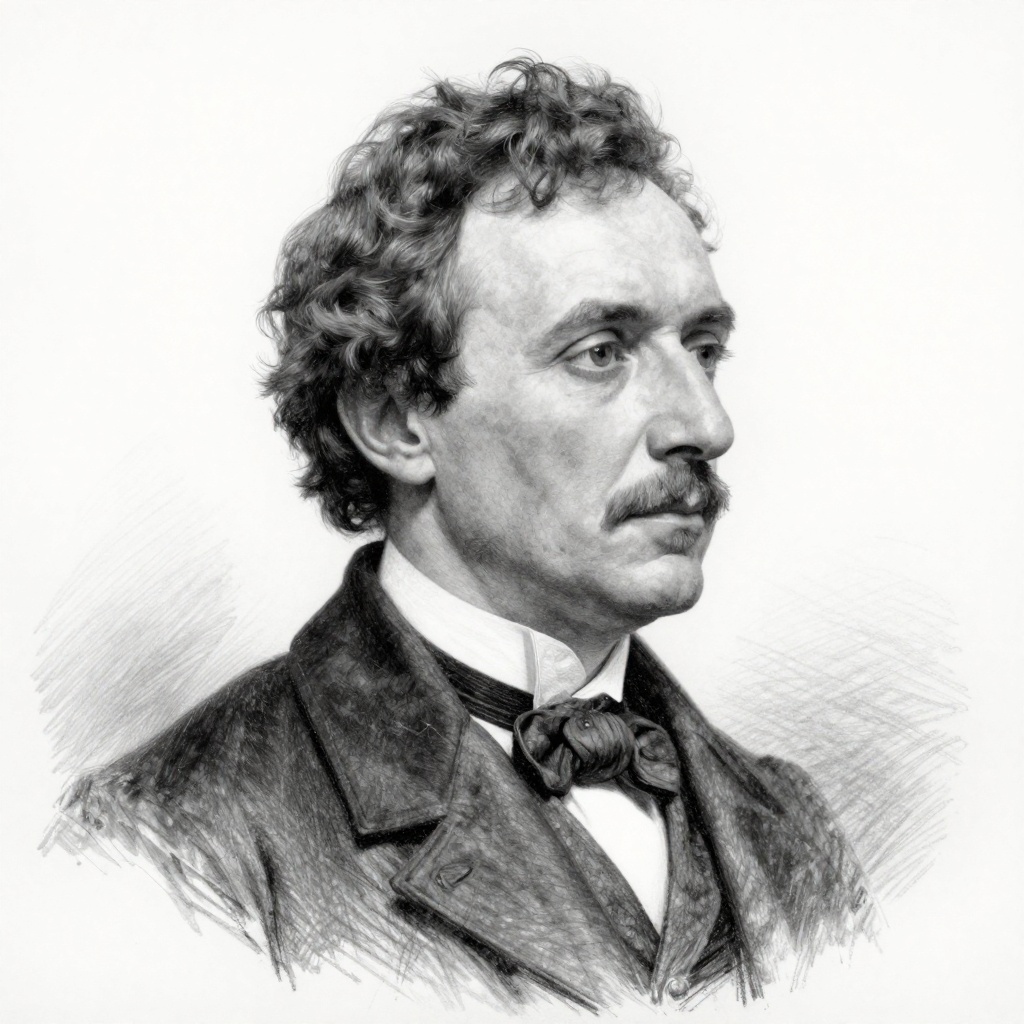
Samuel Palmer (1805–1881) was an English painter, etcher, and visionary landscape artist known for his romantic and poetic depictions of the English countryside. A key figure in the British Romantic movement, he is best recognized for his works that blend elements of realism with imaginative and mystical qualities, particularly in his portrayals of nighttime scenes and pastoral landscapes. Palmer was also a member of the quirky collective known as the Ancients, who sought to revive the techniques and spirit of old masters in their art.
Comments