Quote · Added 14 February 2026
Words are but the signs of ideas.
Samuel JohnsonThe Idler, No. 84, 1759
No ratings yet
Filed underwords·ideas·communication
Quote · Added 14 February 2026
Filed underwords·ideas·communication
We're obsessed with finding the perfect words—the right text to send, the clever phrase that will finally make someone understand us. But Johnson points to something we often miss: words themselves aren't the real thing. They're more like signposts pointing toward what we actually mean. The frustration you feel when someone misreads your words? That's often because the idea behind them didn't quite make the jump from your mind to theirs, no matter how carefully you chose your language.
This matters now more than ever. We live in a world drowning in words—texts, emails, tweets, endless content—yet genuine understanding feels rarer. We mistake saying something for being heard. Someone can use all the right vocabulary and still be completely misunderstood, while a parent can comfort a crying child with a single hug that needs no words at all. The gap between the words we use and the ideas they're meant to carry is where most real communication actually fails or succeeds.
The trick is remembering that clarity starts before the words do. If you're muddled about what you actually mean, no amount of eloquence will fix it. But if you know your idea clearly, even simple, imperfect words can land. That's why rambling explanations feel exhausting and a well-aimed sentence feels like relief.
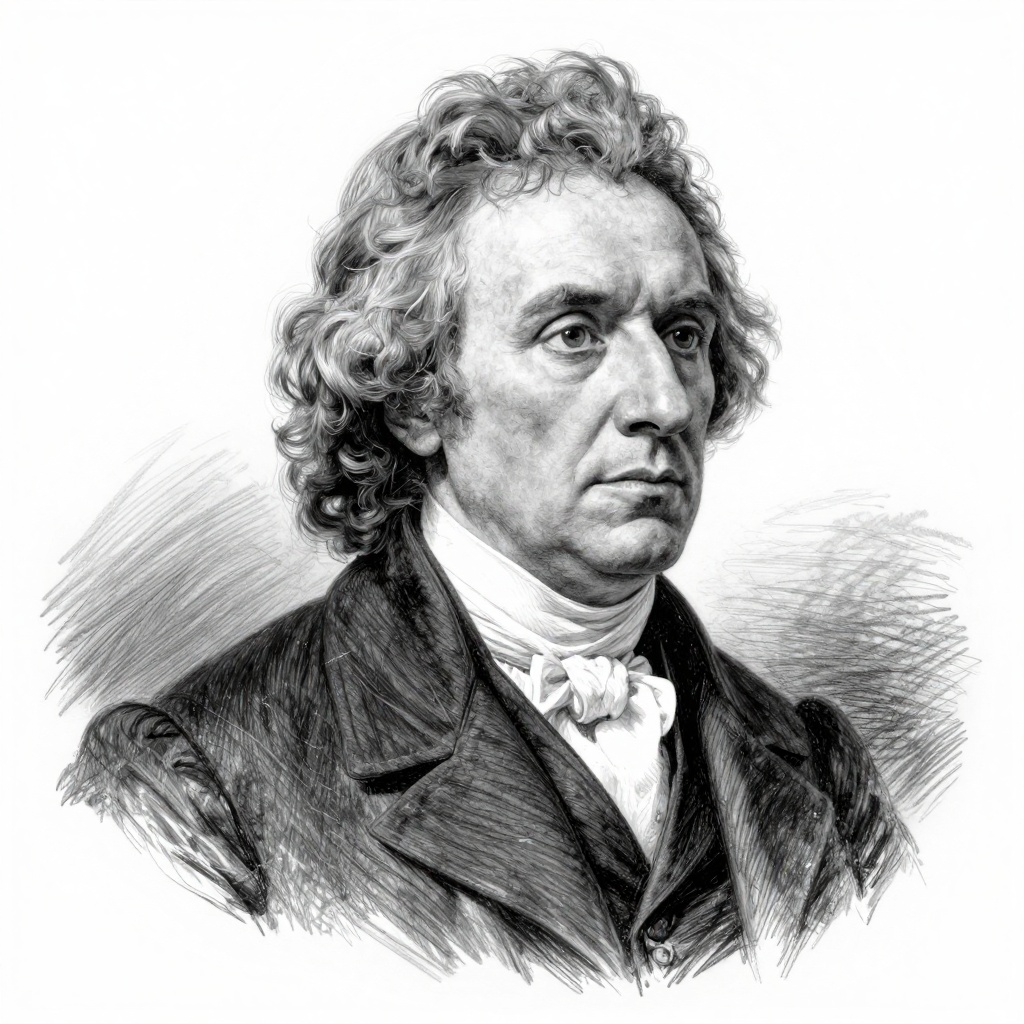
1709–1784·lived 75 years
Samuel Johnson (1709–1784) was an English writer, lexicographer, and critic who is best known for his influential work, "A Dictionary of the English Language," published in 1755. Johnson's witty essays, literary criticism, and biographies were also highly regarded during the 18th century and continue to be studied for their insights into the English language and literature.
Comments