Quote · Added 14 February 2026
To love one that is great, is almost to be great one's self.
Samuel JohnsonThe Idler, No. 84, 1759
No ratings yet
Quote · Added 14 February 2026
We usually think of admiration as something passive—you see someone brilliant and feel small by comparison. But Johnson points to something stranger: loving someone genuinely great actually changes you. It's not about proximity or name-dropping. It's that when you really pay attention to excellence—to how someone thinks, creates, perseveres—you start absorbing their standards. Their rigor becomes contagious.
This matters more than ever when we're drowning in celebrity worship and parasocial relationships. Johnson isn't talking about that hollow fandom feeling. He means the kind of love that requires you to actually understand what makes someone great, which means you have to stretch yourself mentally to meet them there. When you do that work—really studying someone you respect, wrestling with their ideas, trying to understand their choices—you're not just learning about them. You're learning what you're capable of.
The counterintuitive part: you don't have to become them to be changed by them. You become more yourself, just with higher standards and deeper questions. That's the alchemy Johnson recognized. Loving greatness in others is one of the most practical ways to grow.
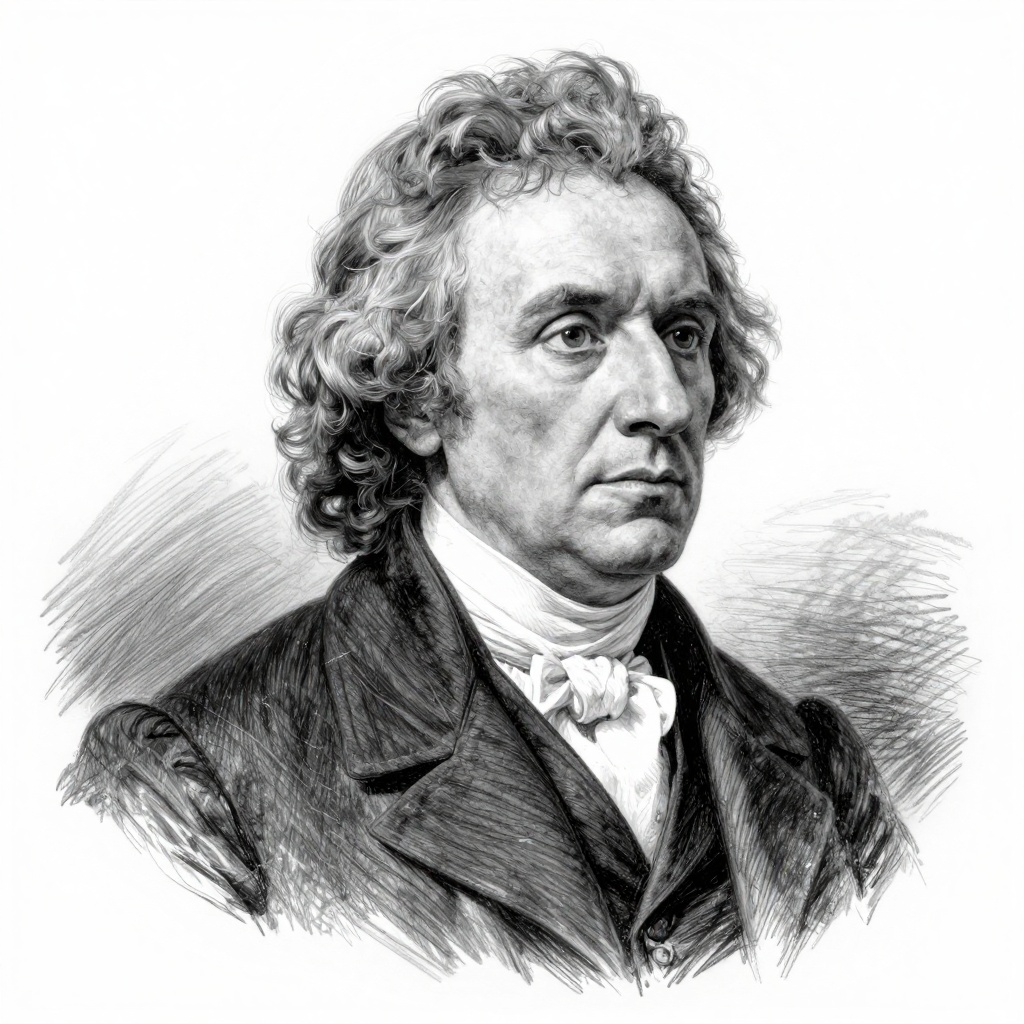
1709–1784·lived 75 years
Samuel Johnson (1709–1784) was an English writer, lexicographer, and critic who is best known for his influential work, "A Dictionary of the English Language," published in 1755. Johnson's witty essays, literary criticism, and biographies were also highly regarded during the 18th century and continue to be studied for their insights into the English language and literature.
Comments