Quote · Added 14 February 2026
There are few ways in which a man can be more innocently employed than in getting money.
Samuel JohnsonThe Idler, No. 36, 1759
No ratings yet
Quote · Added 14 February 2026
We tend to frame money-making as somehow shallow or spiritually suspect, as if earning is always a compromise with our better selves. Johnson's observation cuts against that guilt. Getting money, when done honestly, is actually one of the cleaner pursuits available to us—it's direct, it's measurable, and it doesn't require pretense or harm. You're solving problems people will pay for. You're trading your time or skills for resources. There's nothing corrupt about that transaction in itself.
What makes this insight sting a little is how it reframes ambition. We're often told that the best people pursue meaning, art, or service—and they do. But Johnson reminds us that someone grinding away at work they don't love, trying to provide for their family or build something, isn't falling short morally. They're engaged in straightforward, honest labor. The real question isn't whether making money is noble, but what you do with the time and security it buys you. That's where character actually shows up.
The slight twist: most of us waste more mental energy feeling guilty about wanting financial stability than we waste actually pursuing it badly. Johnson gives permission to stop apologizing for the basic human need to earn and provide without that automatically meaning you're spiritually bankrupt.
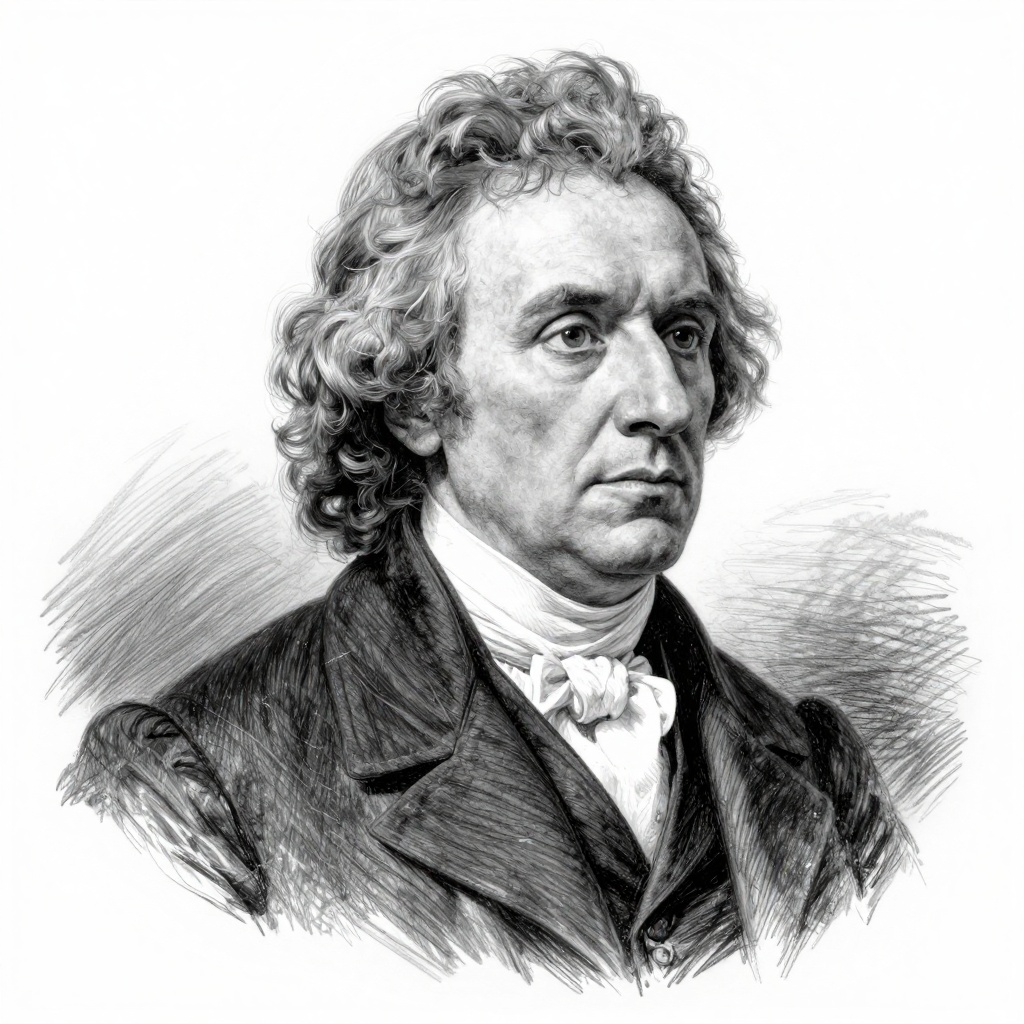
1709–1784·lived 75 years
Samuel Johnson (1709–1784) was an English writer, lexicographer, and critic who is best known for his influential work, "A Dictionary of the English Language," published in 1755. Johnson's witty essays, literary criticism, and biographies were also highly regarded during the 18th century and continue to be studied for their insights into the English language and literature.
Comments