Quote · Added 14 February 2026
The true art of memory is the art of attention.
Samuel JohnsonIdler 74, Samuel Johnson's Essay, 1758
No ratings yet
Quote · Added 14 February 2026
We tend to think of memory as something that happens to us—either you remember something or you don't. But this idea flips that on its head. What actually sticks with us isn't random; it's what we genuinely paid attention to. That conversation you can't forget? You were fully present. The facts you crammed for an exam that vanished by next week? You were just pushing information through your brain without really landing on it.
This matters more now than ever. We're drowning in information and opportunities to be half-present. You can scroll through someone's entire life story and retain nothing. You can sit through meetings checking your phone and wonder why you can't recall what was discussed. The irony is that better memory doesn't require a better brain—it requires choosing where to direct your focus. When you're truly listening to someone, you don't need to work at remembering them.
The deeper angle: attention is actually a choice, not just something that happens. You can train it like a muscle. That means a more memorable life isn't about having an exceptional memory; it's about deciding what deserves your full presence. The things you want to remember aren't forgotten—they were never really attended to in the first place.
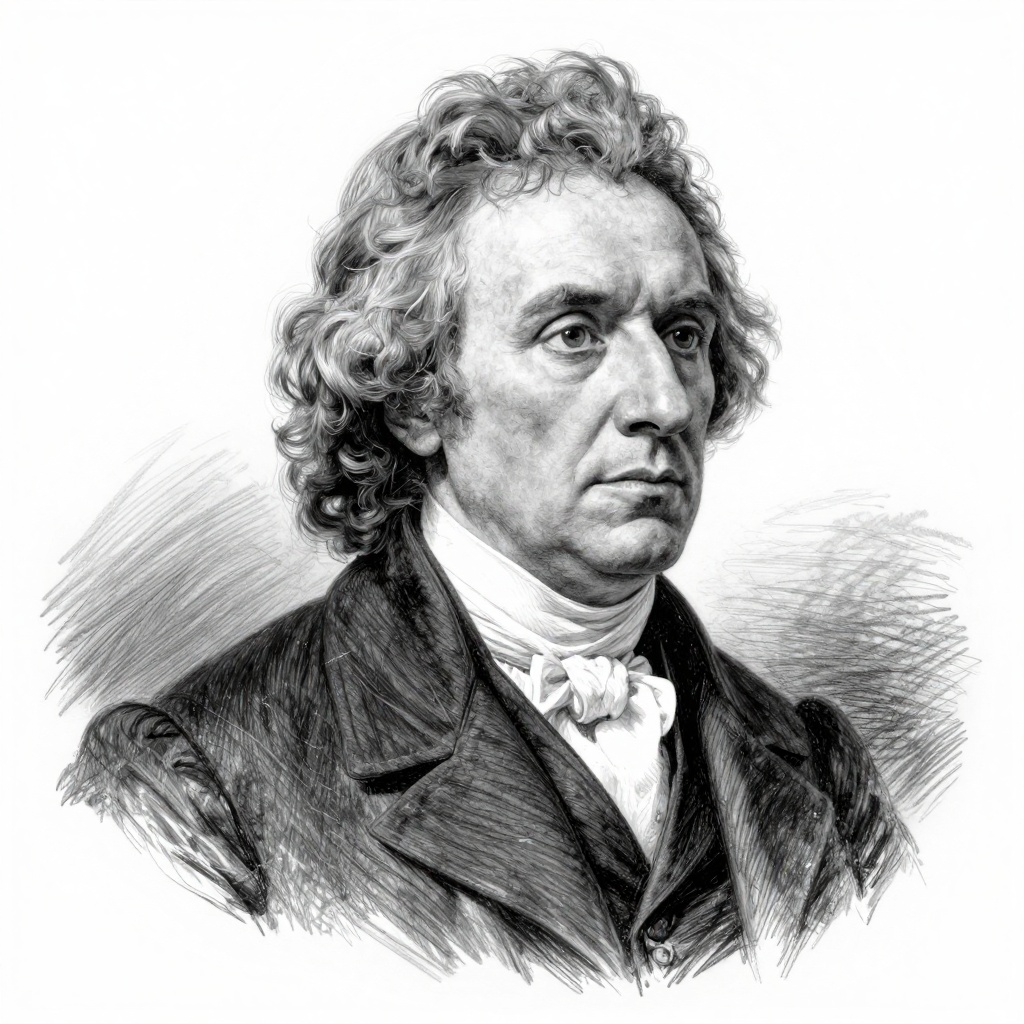
1709–1784·lived 75 years
Samuel Johnson (1709–1784) was an English writer, lexicographer, and critic who is best known for his influential work, "A Dictionary of the English Language," published in 1755. Johnson's witty essays, literary criticism, and biographies were also highly regarded during the 18th century and continue to be studied for their insights into the English language and literature.
Comments