Quote · Added 14 February 2026
No complaint... is more common than that of a scarcity of money.
Samuel JohnsonThe Wealth of Nations, 1776
No ratings yet
Quote · Added 14 February 2026
We tell ourselves the money problem is unique to us—that if we just earned more, everything would work. But Johnson spotted something most people miss: complaining about money is so universal, so automatic, that it barely registers as real. We say it the way we say "I'm busy" or "I'm tired." It's become background noise.
What makes this observation sting is how it sidesteps the actual question. Some people genuinely lack money for survival. But many of us? We have enough to complain about scarcity while also having enough to not change anything. The complaint becomes a kind of permission slip—proof that our stress is justified, that of course we can't get ahead, that the system is rigged. Meanwhile, we keep spending exactly what we make, or slightly more.
The real insight isn't that money complaints are unfounded. It's that they're so common they've stopped telling us anything useful. If almost everyone says the same thing, maybe the issue isn't scarcity at all—maybe it's something about how we relate to what we have. That's a harder, lonelier thought than "I just need more money." Which is probably why we stick with the complaint.
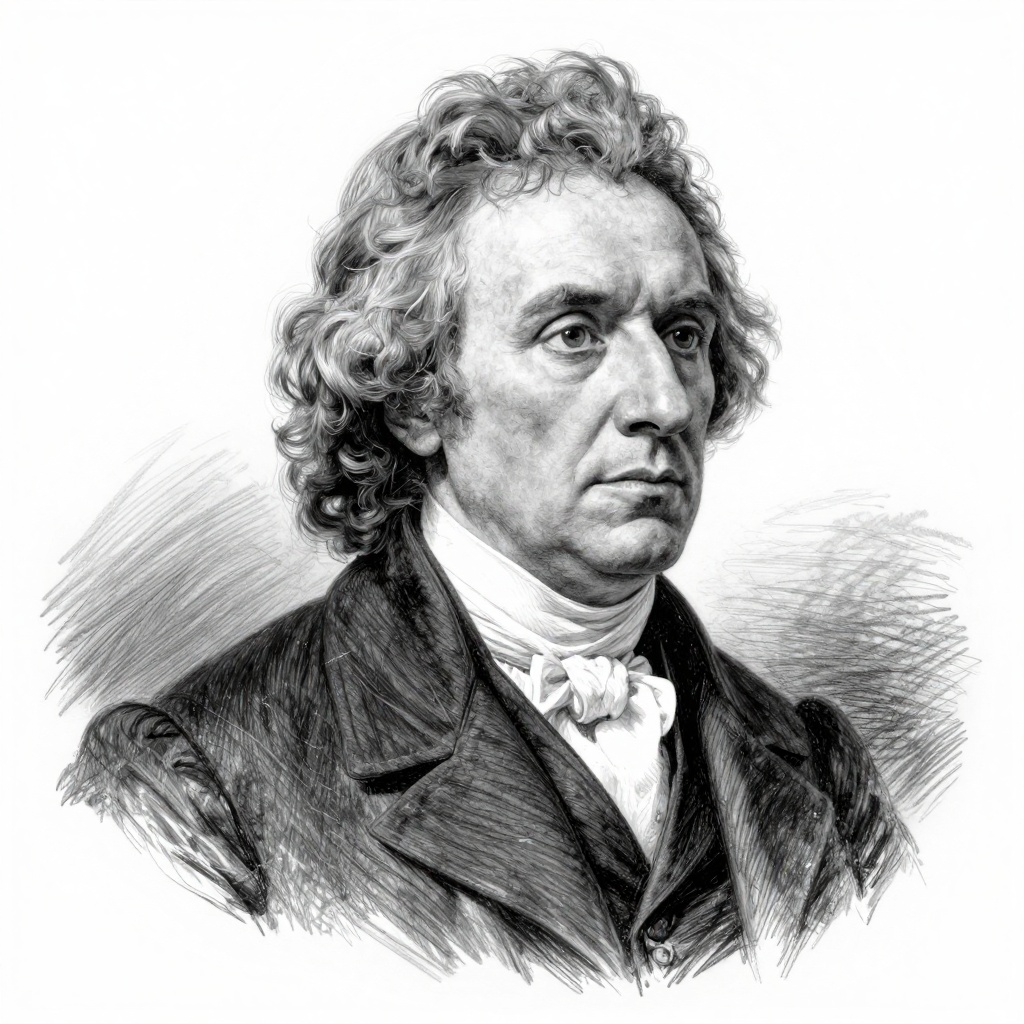
1709–1784·lived 75 years
Samuel Johnson (1709–1784) was an English writer, lexicographer, and critic who is best known for his influential work, "A Dictionary of the English Language," published in 1755. Johnson's witty essays, literary criticism, and biographies were also highly regarded during the 18th century and continue to be studied for their insights into the English language and literature.
Comments