Quote · Added 14 February 2026
Money and time are the heaviest burdens of life, and... the unhappiest of all mortals are those who have more of either than they know how to use.
Samuel JohnsonThe Idler, No. 84, 1759
No ratings yet
Quote · Added 14 February 2026
We usually think of having too little money or time as the real problem—but Johnson points at something stranger and truer. The people who seem most stuck aren't always the broke ones grinding through life. Sometimes it's the person with a trust fund who can't figure out what to do with themselves, or the early retiree who expected freedom to feel like joy and instead feels like drowning in options.
The catch is that having abundance without direction creates its own kind of paralysis. Money demands decisions: not just where to spend it, but what matters enough to spend it on. Time demands the same. When you have to choose, you have to know yourself—your real values, not the ones you think you should have. That's harder than most people admit. It's easier to complain about being busy than to face what you'd actually do with genuine freedom.
This explains why some wealthy or leisured people seem anxious and irritable, while others with real constraints often seem clearer, more purposeful. They haven't solved life, but they've been forced to know what they're living for. The burden Johnson describes isn't really about having too much—it's about having plenty while being unclear about what you actually want.
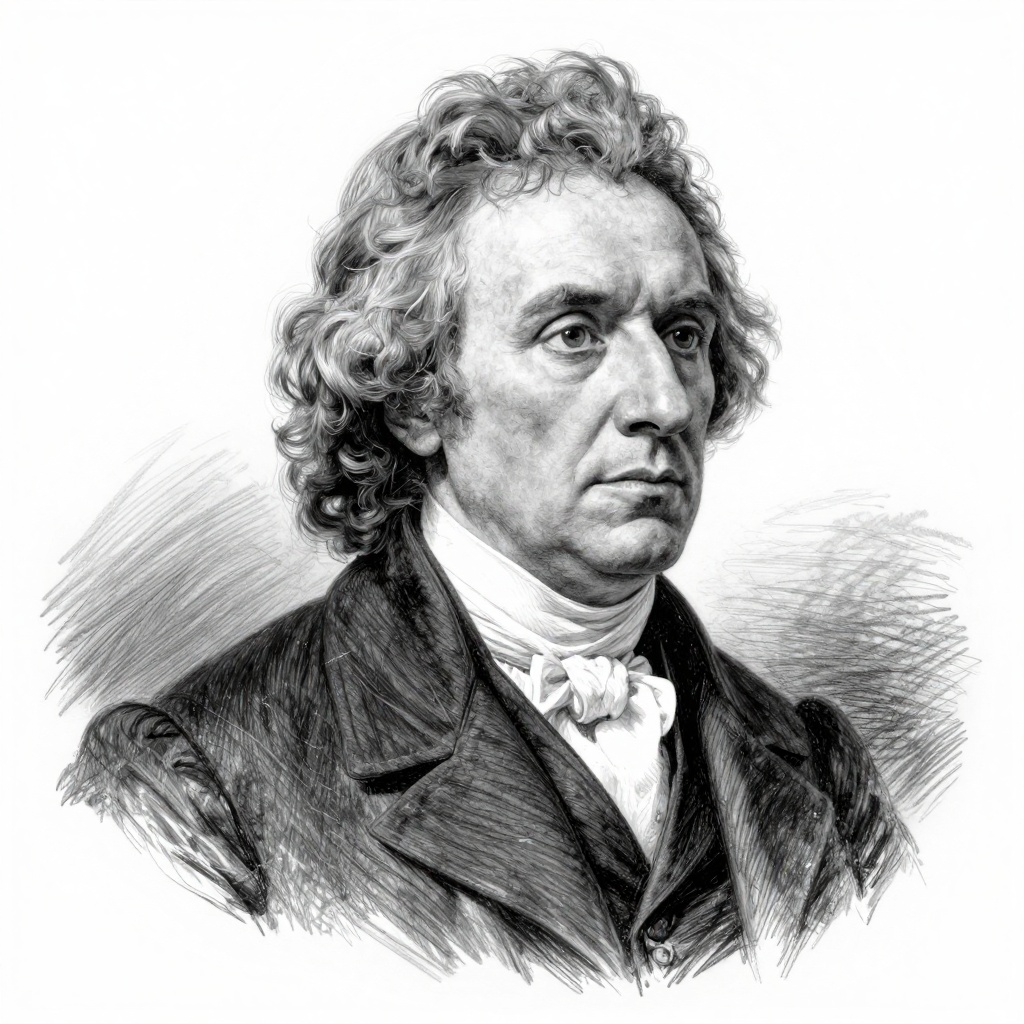
1709–1784·lived 75 years
Samuel Johnson (1709–1784) was an English writer, lexicographer, and critic who is best known for his influential work, "A Dictionary of the English Language," published in 1755. Johnson's witty essays, literary criticism, and biographies were also highly regarded during the 18th century and continue to be studied for their insights into the English language and literature.
Comments