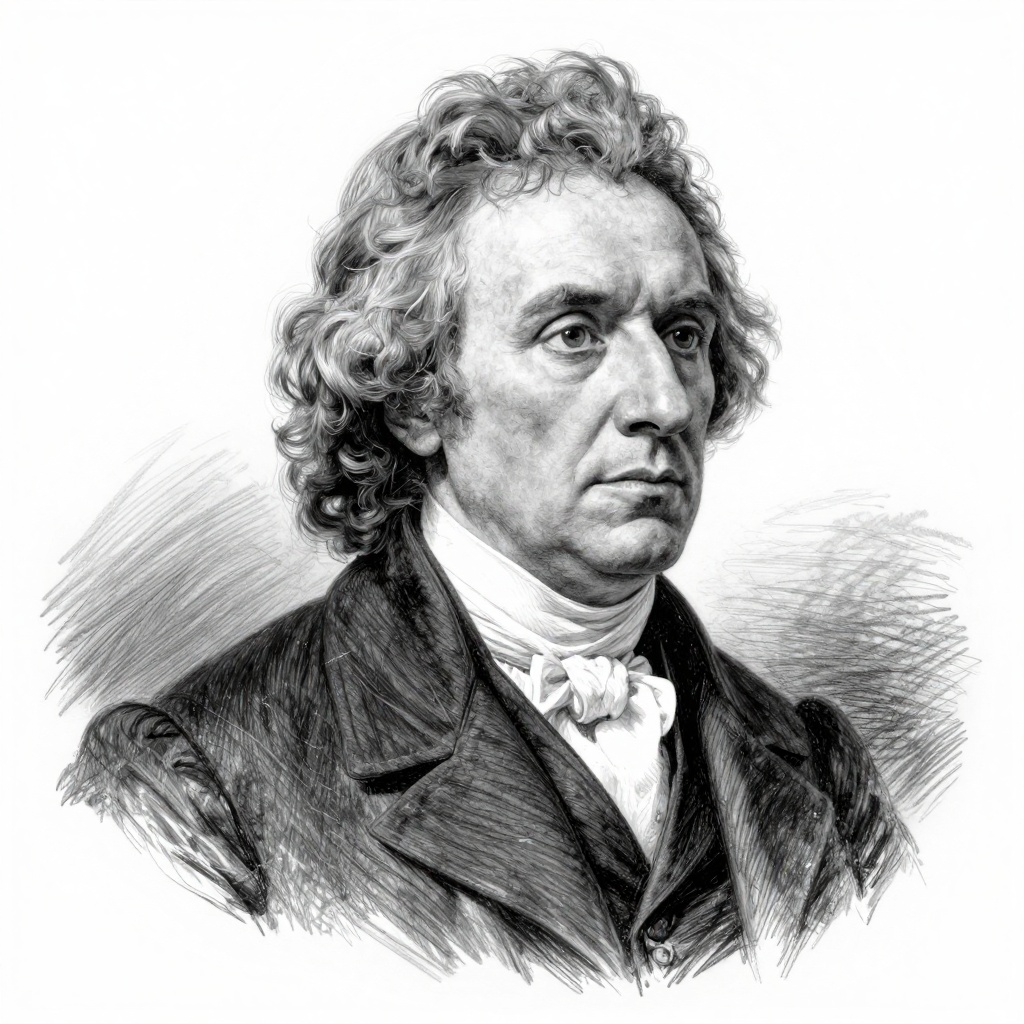
Keep in mind that the true measure of an individual is how he treats a person who can do him absolutely no goo... — Samuel Johnson

Keep in mind that the true measure of an individual is how he treats a person who can do him absolutely no good.

Author: Samuel Johnson

Insight: We live in an economy of advantage. Consciously or not, we calibrate how we treat people based on what they might offer us—a job connection, social status, influence, or simply the ability to make our lives easier. The cashier who can't help our career gets a different tone than the hiring manager. The elderly relative we rarely visit suddenly matters more when inheritance is mentioned. We're not monsters for this; it's just how human attention naturally flows. But Johnson's measure cuts through this reflex. It's asking: when there's literally nothing in it for you, when the other person has no currency to offer and never will, how do you show up? Do you still make eye contact? Do you listen? Do you treat their time as valuable? These small moments reveal something truer about us than any high-stakes performance ever could. A person's kindness to someone powerless tells you more about their actual character than their politeness to someone useful. The twist is that this standard might actually make you happier. The relief of dropping the calculation, of being genuinely kind without waiting for a return—it's its own kind of freedom. You stop performing and start connecting.

Kindness when there's nothing to gain

Keep in mind that the true measure of an individual is how he treats a person who can do him absolutely no good.

We live in an economy of advantage. Consciously or not, we calibrate how we treat people based on what they might offer us—a job connection, social status, influence, or simply the ability to make our lives easier. The cashier who can't help our career gets a different tone than the hiring manager. The elderly relative we rarely visit suddenly matters more when inheritance is mentioned. We're not monsters for this; it's just how human attention naturally flows.

But Johnson's measure cuts through this reflex. It's asking: when there's literally nothing in it for you, when the other person has no currency to offer and never will, how do you show up? Do you still make eye contact? Do you listen? Do you treat their time as valuable? These small moments reveal something truer about us than any high-stakes performance ever could. A person's kindness to someone powerless tells you more about their actual character than their politeness to someone useful.

The twist is that this standard might actually make you happier. The relief of dropping the calculation, of being genuinely kind without waiting for a return—it's its own kind of freedom. You stop performing and start connecting.

AI generated

Comments

Sign in to leave a comment or reply to one.

Sign in

Samuel Johnson

Samuel Johnson (1709–1784) was an English writer, lexicographer, and critic who is best known for his influential work, "A Dictionary of the English Language," published in 1755. Johnson's witty essays, literary criticism, and biographies were also highly regarded during the 18th century and continue to be studied for their insights into the English language and literature.

Graph

Related