Quote · Added 14 February 2026
It is better to suffer wrong than to do it, and happier to be sometimes cheated than not to trust.
Samuel JohnsonThe Idler, No. 32, 1758
No ratings yet
Quote · Added 14 February 2026
There's something radical in Johnson's idea, especially now. We live in an age of protective instincts—we're taught to guard ourselves, verify everything, assume the worst until proven otherwise. The rational move looks like skepticism. But Johnson is pointing at something his era understood better: that the person who stays closed off to protect themselves pays a hidden cost every single day.
When you choose not to trust, you don't just avoid getting cheated. You also avoid the openness that makes friendship, collaboration, and even ordinary kindness possible. You become someone constantly running calculations, always braced for betrayal. That exhaustion is real. Meanwhile, the person who trusts and occasionally gets hurt? They get to experience generosity, genuine connection, and the basic relief of not being perpetually defensive. They're actually freer, even if their bank account gets dented sometimes.
The twist is that Johnson isn't naive—he knows you'll get cheated. He's saying that's worth it. Not because wrongdoing doesn't matter, but because the alternative—a life locked in suspicion—is its own kind of suffering. We often think trust is naive. But refusing to trust might be the lonelier, more painful choice.
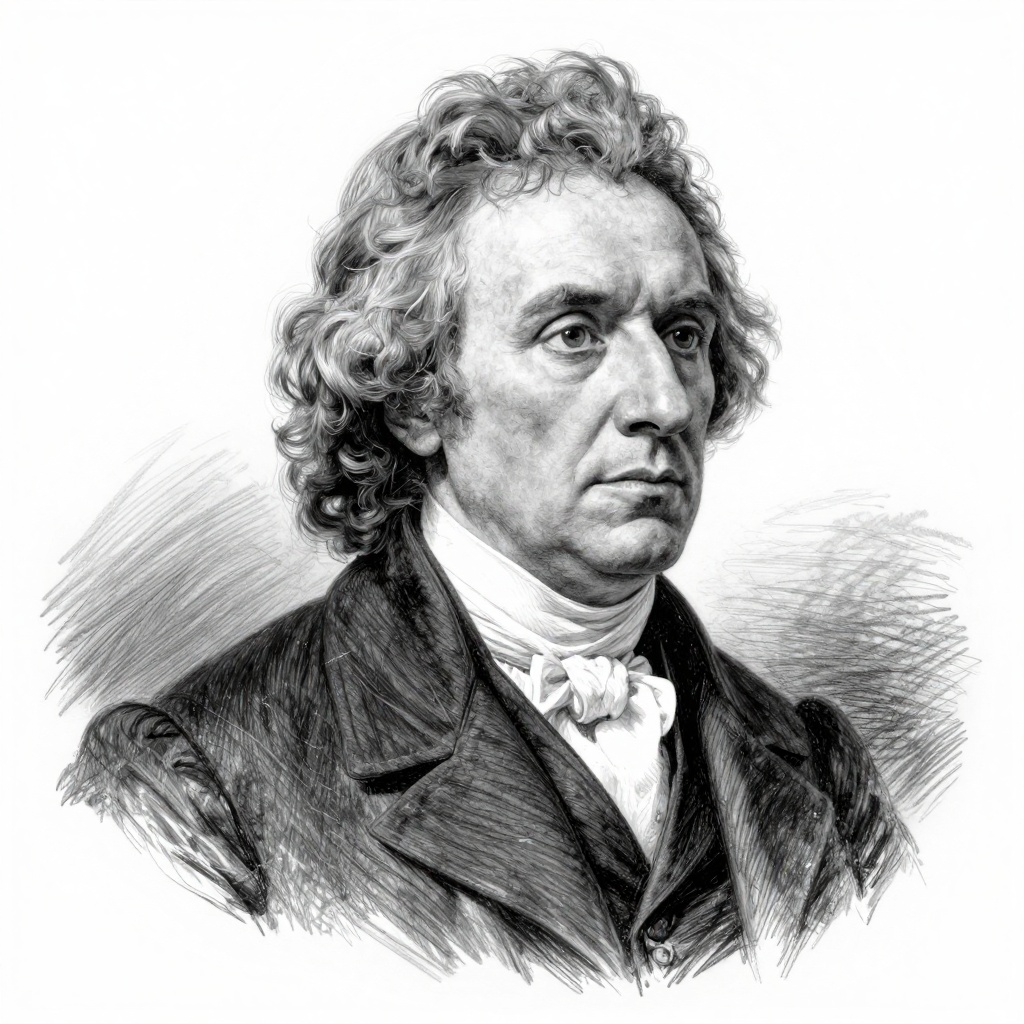
1709–1784·lived 75 years
Samuel Johnson (1709–1784) was an English writer, lexicographer, and critic who is best known for his influential work, "A Dictionary of the English Language," published in 1755. Johnson's witty essays, literary criticism, and biographies were also highly regarded during the 18th century and continue to be studied for their insights into the English language and literature.
Comments