Quote · Added 14 February 2026
By adversity are wrought the greatest works of admiration, and all the fair examples of renown, out of distress and misery are grown.
No ratings yet
Filed underadversity·admiration·growth
Quote · Added 14 February 2026
Filed underadversity·admiration·growth
We're often sold a story that success requires the perfect conditions—the right timing, the right people, the right circumstances. But if you look at anything actually worth admiring, you'll notice something different. The breakthroughs that changed fields, the art that moved people, the character that earned respect—almost all of them emerged from someone wrestling with real limitation, failure, or hardship. A writer develops their voice through rejection. A parent learns patience through sleepless nights and conflict. A scientist makes a discovery by chasing what didn't work.
The tricky part is that this doesn't mean suffering is good or that we should seek it out. It means that when adversity shows up uninvited—and it always does—we're not necessarily being punished or sidelined. We're actually being given the raw material for something real. The friction, the confusion, the forcing-yourself-to-adapt part of hard times can sharpen judgment and reveal what actually matters. Easy times rarely teach us much about ourselves.
This matters today because we're swimming in an endless highlight reel of people who look like they never struggled. It's oddly reassuring to remember that the people and work we actually respect were built in rooms we never saw, during seasons of real difficulty.
d. 1619
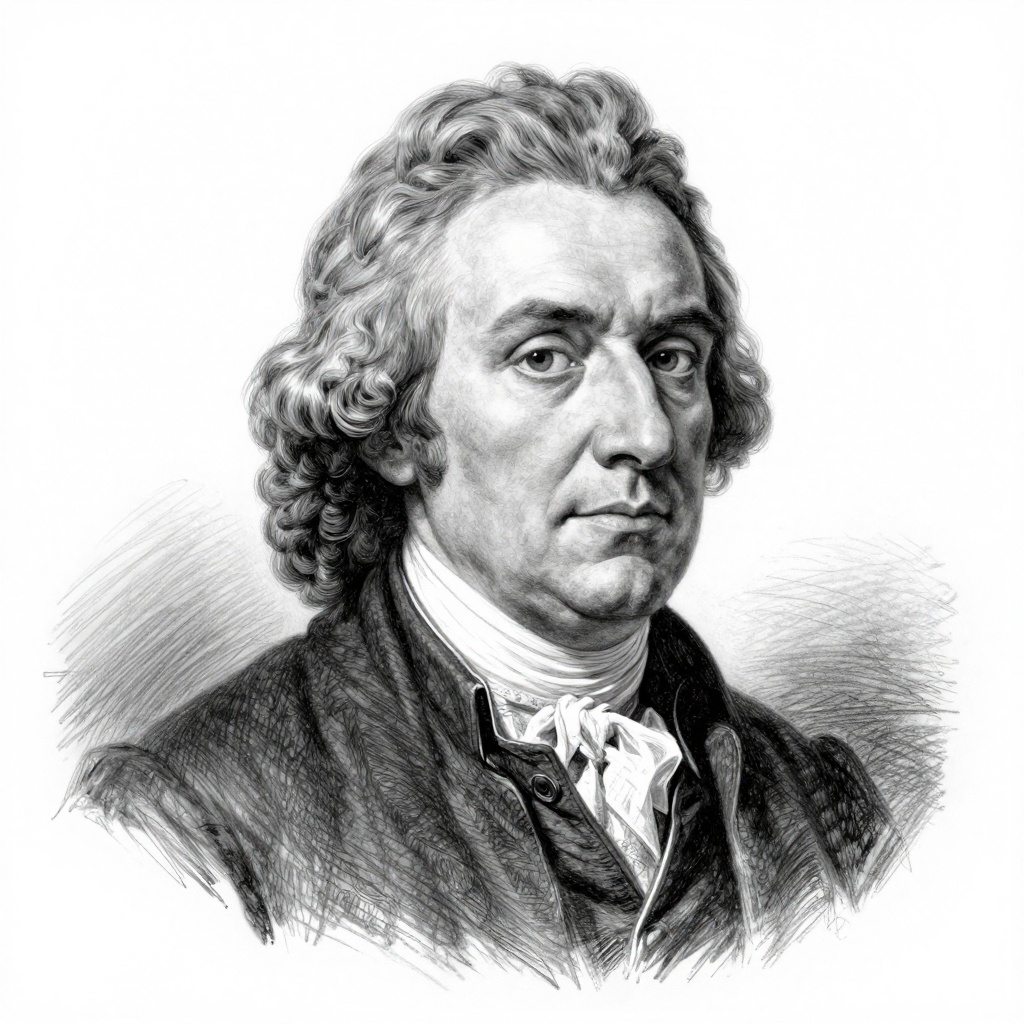
Samuel Daniel (1562-1619) was an English poet and historian, best known for his sonnet sequence "Delia" and his historical epic "The Civil Wars." He was a contemporary of Shakespeare and contributed significantly to the English literary scene of the late Elizabethan and early Jacobean periods. Daniel's work is noted for its elegant style and exploration of themes such as love, politics, and historical narrative.
Comments