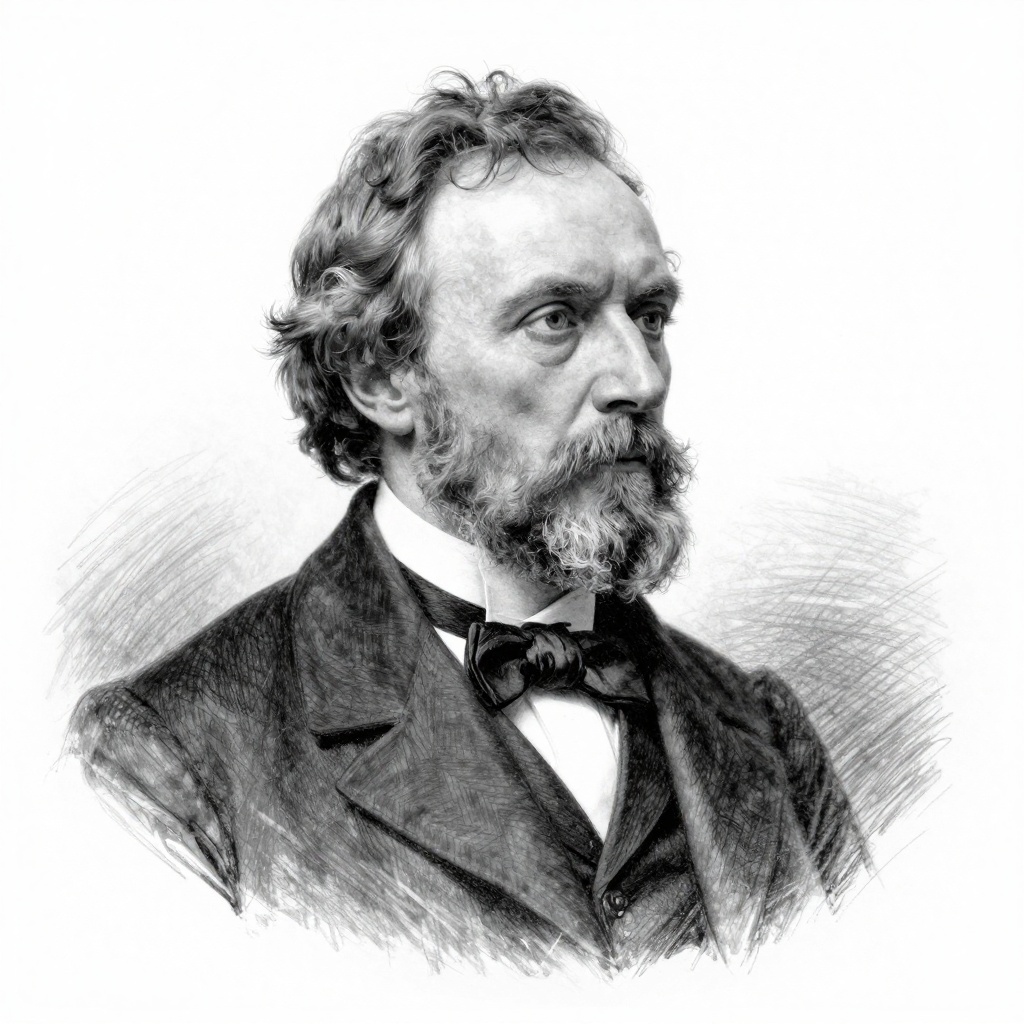
Every man's work, whether it be literature, or music or pictures or architecture or anything else, is always a... — Samuel Butler
Every man's work, whether it be literature, or music or pictures or architecture or anything else, is always a portrait of himself.
Author: Samuel Butler
Insight: We spend a lot of energy trying to separate who we are from what we do—pretending we can clock out and be a different person than our work suggests. But Butler's observation cuts right through that fantasy. Your work isn't just something you produce; it's a mirror you're holding up whether you mean to or not. The choices you make, the details you sweat over, the corners you're willing to cut—they all reveal something true about how you actually see the world. This matters because it means you can't really fake it for long. A boss can demand enthusiasm, but the quality of attention you bring to a project tells the real story. A writer can try to hide behind a persona, but their actual values leak through every sentence. Even small things—how you organize your email, the care you take with your appearance, the tone you use in a text—are tiny self-portraits being shared constantly. The flip side is oddly liberating. If your work is always going to be a portrait anyway, you might as well make it an honest one. That's permission to stop trying to produce something "impressive" and start producing something true to what actually matters to you. The work gets better when you stop performing for an imaginary audience and start creating like someone who's willing to be seen.