Quote · Added 11 February 2024
Better to have, and not need, than to need, and not have.
Samuel ButlerThe Way of All Flesh, 1903
No ratings yet
Filed underpreparation·practicality·wisdom
Quote · Added 11 February 2024
Filed underpreparation·practicality·wisdom
We live in a culture that's weirdly judgmental about preparedness. Stock extra supplies and you're called a hoarder; show up unprepared and you're labeled irresponsible. But there's something quietly powerful about having what you might need—not from anxiety, but from a kind of calm confidence. The person who keeps a first aid kit in their car, maintains an emergency fund, or learns a skill "just in case" isn't living in fear. They're simply removing unnecessary friction from life.
The real insight here is about the asymmetry of regret. Missing something you need creates genuine problems—you're stuck, stressed, scrambling. Having something you don't use? It just sits there, taking up minimal space. One creates urgent failure; the other creates only the illusion of waste. Yet we often optimize for the second while accepting the first as inevitable bad luck.
This applies beyond physical stuff too. It's why therapists encourage people to build coping skills before crisis hits, or why friendships need maintenance before you desperately need support. The cost of being slightly over-prepared is usually just a little extra weight you carry. The cost of being under-prepared when it matters is often irreplaceable time, opportunity, or peace of mind.
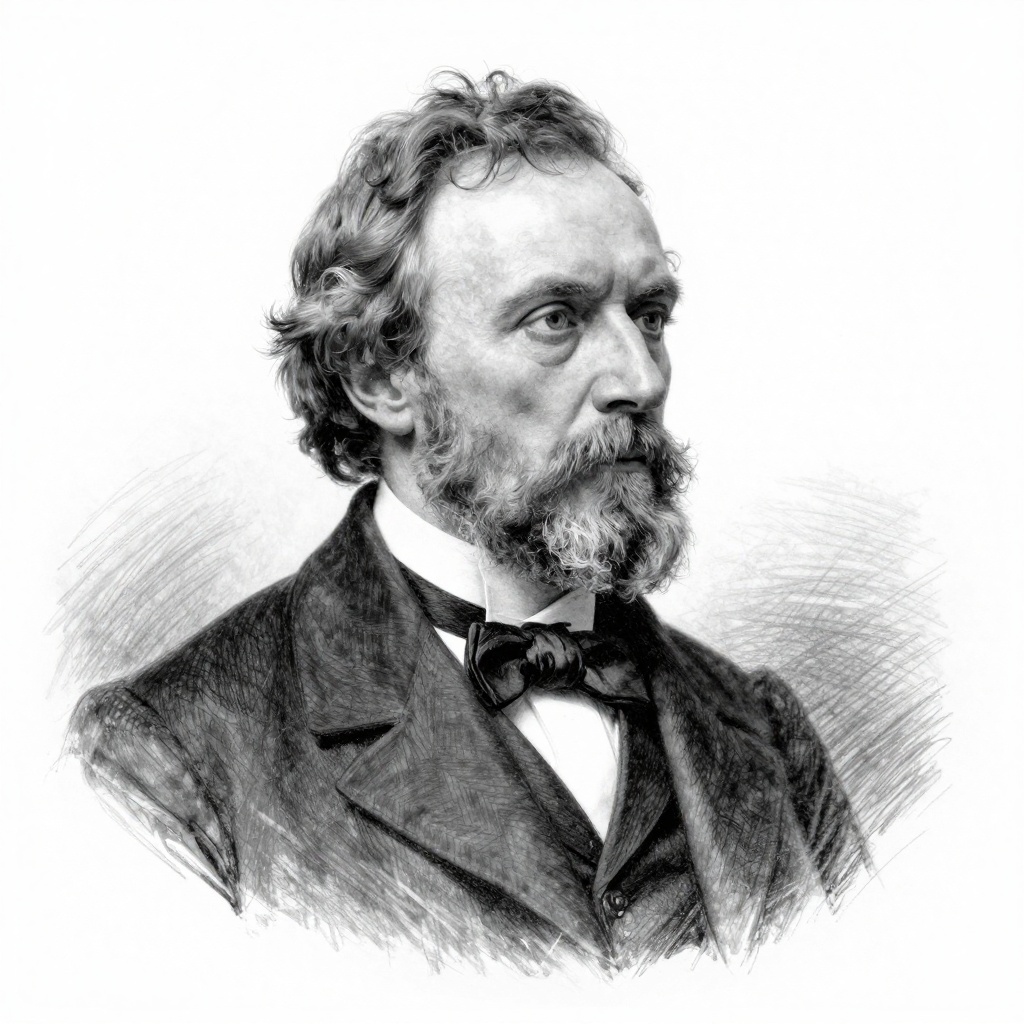
1835–1902·lived 66 years
Samuel Butler was an English writer, best known for his satirical novel "Erewhon." Born in 1835, Butler also wrote the semi-autobiographical work "The Way of All Flesh," which critiqued Victorian society. He is celebrated for his wit, humor, and insightful social commentary in his literary works.
Comments