Quote · Added 14 February 2026
Does not the gratitude of the dog put to shame any man who is ungrateful to his benefactors?
Saint BasilHomilies on the Psalms, Homily 1, 2000
No ratings yet
Quote · Added 14 February 2026
A dog remembers the hand that feeds it. Every time your dog sees you, it's a small reunion—tail wagging, genuine excitement, no score-keeping. Meanwhile, we humans often take for granted the people who've genuinely helped us. We move on, get busy, assume they know we're grateful without ever saying it. There's something humbling about that comparison.
The real insight here isn't that we should aspire to be more like dogs, but that we've made gratitude needlessly complicated. A dog's thankfulness is straightforward because it hasn't learned to mask its feelings or assume others are keeping score. We, on the other hand, often withhold thanks because we think it's "too much" or because we worry it looks weak to admit we needed help in the first place. We overthink it until we say nothing at all.
The shame Saint Basil mentions cuts deeper when you notice it: acknowledging a debt feels like a loss of something, so we pretend the help didn't matter as much as it did. But gratitude isn't a weakness—it's the opposite. It's the hard clarity to see that someone gave something you genuinely needed. That's worth saying out loud.
d. 379
Saint Basil, also known as Basil the Great, was a 4th-century Christian bishop and theologian born around 330 AD in Caesarea Mazaca, Cappadocia (modern-day Turkey). He is known for his contributions to Christian monasticism and his role in defining the Nicene Creed, emphasizing the divinity of the Holy Spirit. Saint Basil is recognized as a Doctor of the Church and is celebrated as a saint in both the Eastern Orthodox and Roman Catholic traditions.
Also by Saint Basil
Every evil is a sickness of soul, but virtue offers the cause of its health.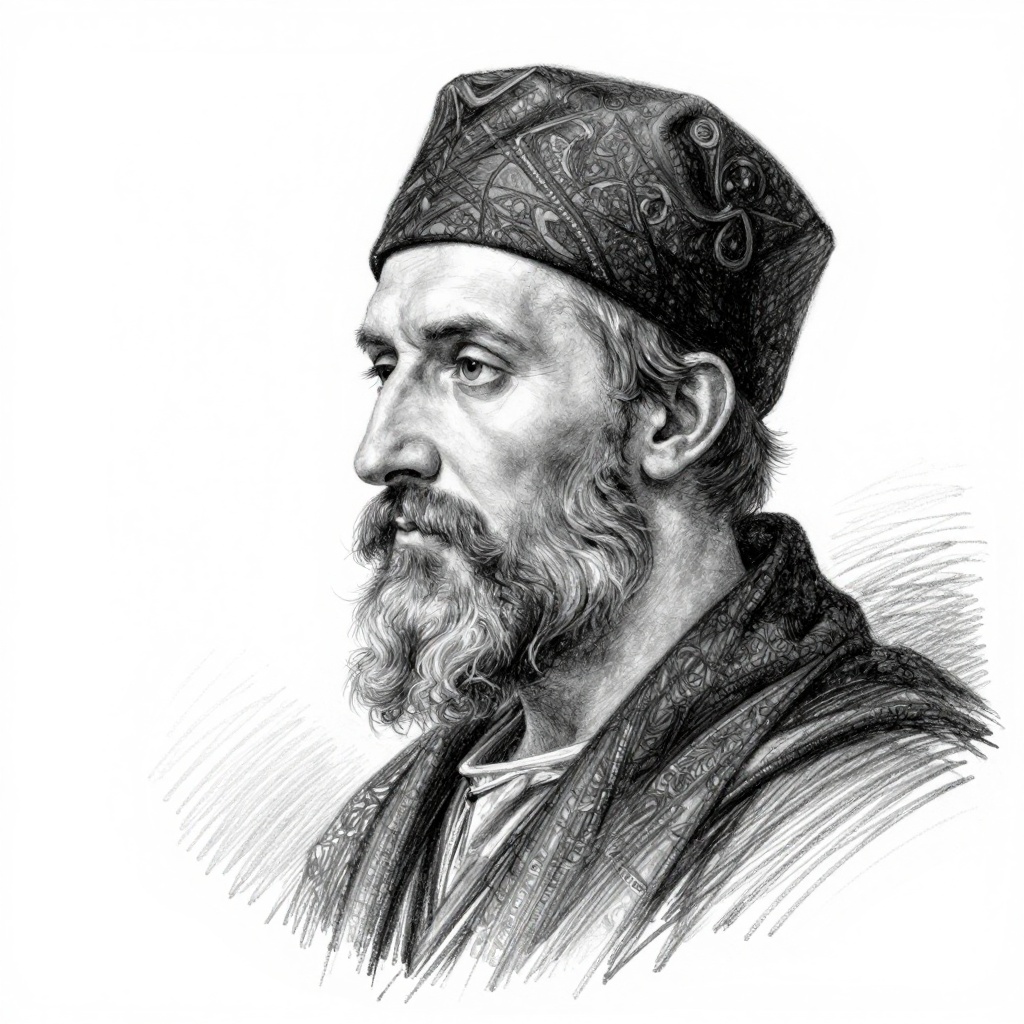
Comments