Quote · Added 28 February 2026
Those who do not move, do not notice their chains.
No ratings yet
Filed underchains·awareness·stagnation
Quote · Added 28 February 2026
Filed underchains·awareness·stagnation
We often think of chains as something visible and obvious—heavy restraints we'd immediately recognize. But this quote suggests something more insidious: stagnation itself becomes a kind of blindness. When you stop moving, stop trying, stop reaching for something different, you stop noticing the invisible constraints that were always there.
This shows up everywhere in modern life. People stay in jobs that drain them because they've stopped imagining alternatives. Relationships that no longer serve either person continue partly because moving on feels harder than staying numb. Even our habits and routines can become invisible cages—we don't notice we're limited until we actually attempt to do something differently and feel the resistance. The chains were always there; movement just makes them undeniable.
The quieter insight here is that discomfort is sometimes useful. That restless feeling, that urge to try something new or challenge the status quo, isn't always destructive noise. It's often your mind and body noticing constraints you'd otherwise ignore. So the people who seem "difficult" or always pushing against things might not be the problem. They might just be the ones awake enough to see what everyone else has stopped noticing.
1871–1919·lived 47 years
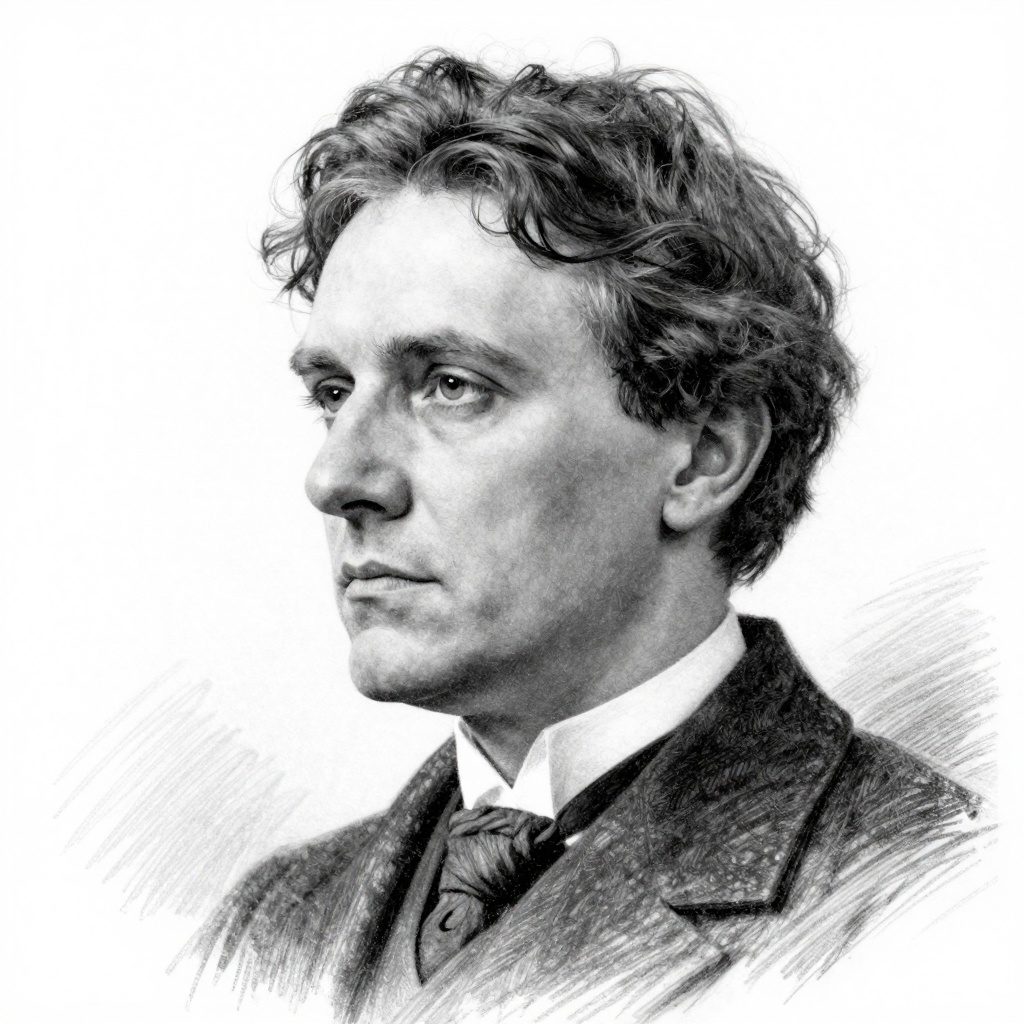
Rosa Luxemburg was a Polish-German Marxist theorist, philosopher, and revolutionary socialist born on March 5, 1871. She was a prominent figure in the German socialist movement and co-founded the Spartacist League, advocating for workers' rights and internationalism. Luxemburg is well-known for her critique of reformism and her writings on revolution, particularly her work "The Accumulation of Capital." She was assassinated in 1919 during the German Revolution.
Comments