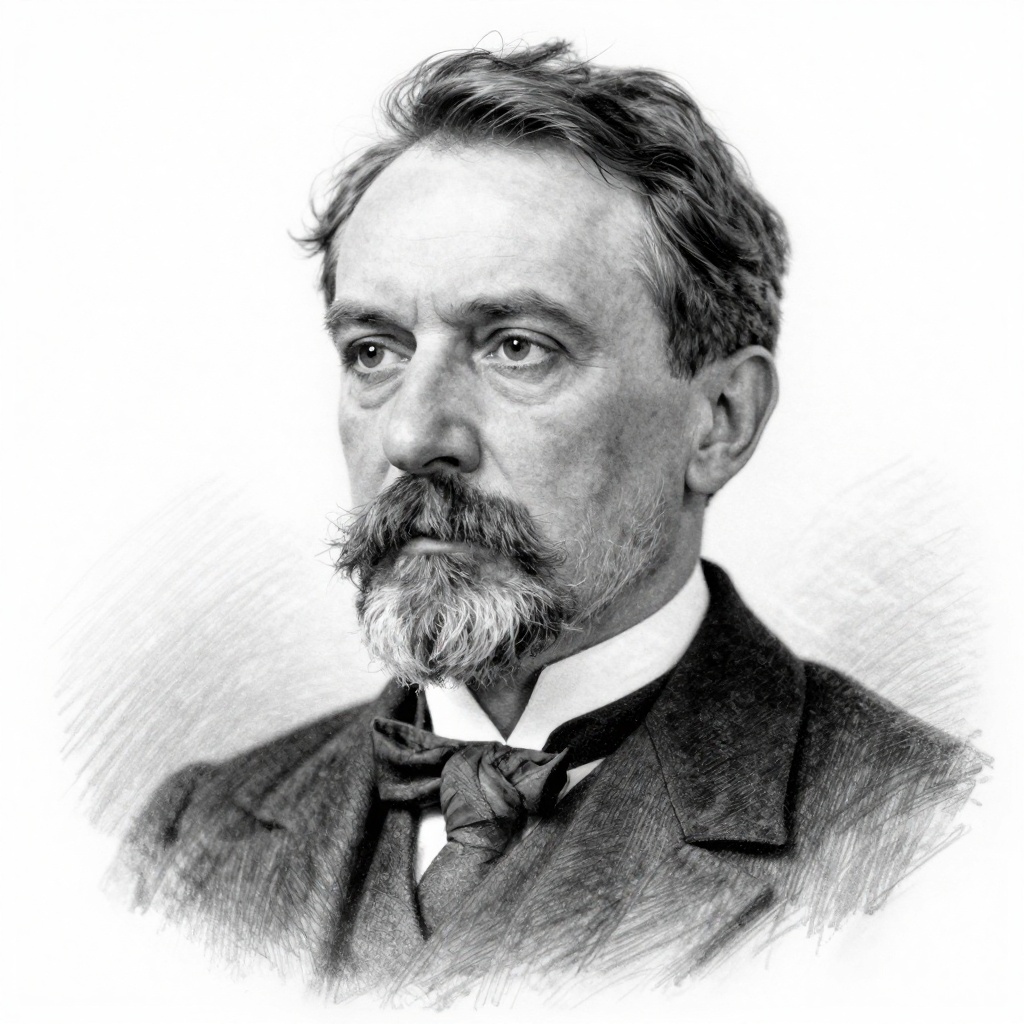
If my efforts have led to greater success than usual, this is due, I believe, to the fact that during my wande... — Robert Koch

If my efforts have led to greater success than usual, this is due, I believe, to the fact that during my wanderings in the field of medicine, I have strayed onto paths where the gold was still lying by the wayside. It takes a little luck to be able to distinguish gold from dross, but that is all.

Author: Robert Koch

Insight: There's something refreshingly honest in Koch's refusal to take sole credit for his discoveries—he chalks it up partly to luck and being in the right place. But notice what he actually did: he was wandering, exploring paths others hadn't thoroughly searched. That's the real insight. Most breakthroughs don't come from people working harder than everyone else in the same worn groove. They come from people who are willing to go slightly off the beaten track and actually look at what's there. This matters now because we're often told success requires working smarter and more strategically—following proven blueprints, staying focused, eliminating distractions. But Koch is pointing to something different: there's still undiscovered territory in almost every field, if you're willing to wander a bit instead of just optimizing what's already known. The gold is often just lying around; we're just not looking in places that feel inefficient or unmarked on the map. The tricky part is distinguishing real opportunity from distraction. That does take judgment. But Koch's reminder cuts through perfectionism nicely—you don't need to be brilliant or lucky beyond measure. You need the willingness to explore paths that don't look like the main highway, combined with enough discernment to recognize what you've found.

Still Gold on the Unmarked Paths

If my efforts have led to greater success than usual, this is due, I believe, to the fact that during my wanderings in the field of medicine, I have strayed onto paths where the gold was still lying by the wayside. It takes a little luck to be able to distinguish gold from dross, but that is all.

There's something refreshingly honest in Koch's refusal to take sole credit for his discoveries—he chalks it up partly to luck and being in the right place. But notice what he actually did: he was wandering, exploring paths others hadn't thoroughly searched. That's the real insight. Most breakthroughs don't come from people working harder than everyone else in the same worn groove. They come from people who are willing to go slightly off the beaten track and actually look at what's there.

This matters now because we're often told success requires working smarter and more strategically—following proven blueprints, staying focused, eliminating distractions. But Koch is pointing to something different: there's still undiscovered territory in almost every field, if you're willing to wander a bit instead of just optimizing what's already known. The gold is often just lying around; we're just not looking in places that feel inefficient or unmarked on the map.

The tricky part is distinguishing real opportunity from distraction. That does take judgment. But Koch's reminder cuts through perfectionism nicely—you don't need to be brilliant or lucky beyond measure. You need the willingness to explore paths that don't look like the main highway, combined with enough discernment to recognize what you've found.

AI generated

Comments

Sign in to leave a comment or reply to one.

Sign in

Robert Koch

Robert Koch was a German physician and microbiologist, born on December 11, 1843, and known for his pioneering work in bacteriology. He is best recognized for discovering the causative agents of tuberculosis, cholera, and anthrax, and for developing Koch's postulates, which laid the foundation for modern microbiology and infectious disease research. His contributions significantly advanced the understanding of infectious diseases and earned him the Nobel Prize in Physiology or Medicine in 1905.

Graph

Related