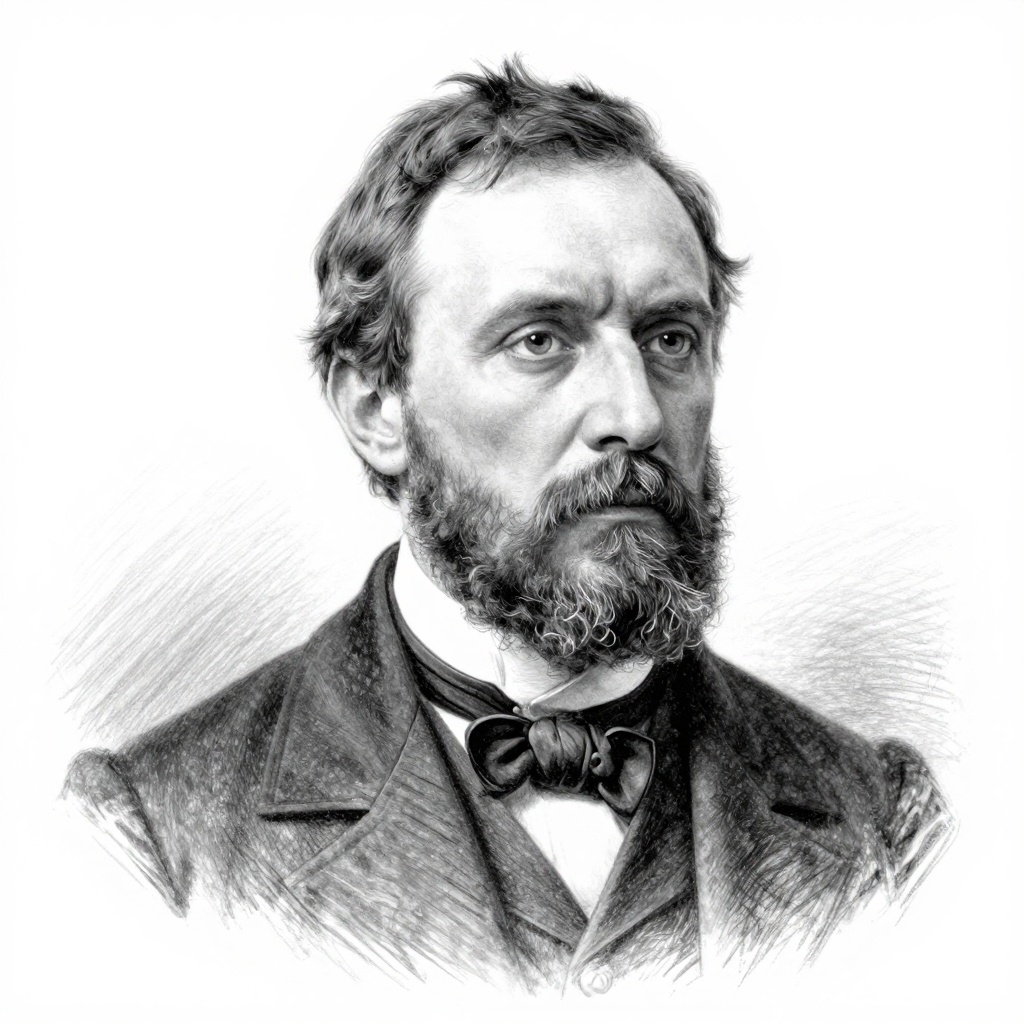
Sometimes, as is the case of peach and plum trees, which are often dwarfed, the plants are thrown into a flowe... — Robert Fortune

Sometimes, as is the case of peach and plum trees, which are often dwarfed, the plants are thrown into a flowering states, and then, as they flower freely year after year, they have little inclination to make vigorous growth.

Author: Robert Fortune

Insight: There's something oddly human about this observation from a 19th-century botanist. Fortune noticed that when you artificially stress a plant—cutting it down, constraining its roots—it flowers prolifically but stops growing. It's a survival mechanism: facing scarcity, the plant prioritizes reproduction over expansion. We do something similar with our own lives, though we rarely name it. When we're squeezed by pressure—a tight deadline, financial stress, limited options—we often become hyper-productive in narrow ways. We produce output. We hit targets. We flower, in a sense. But we rarely ask whether we're actually growing, developing new capabilities, or expanding our sense of what's possible. The effort feels productive because it is productive, just not in the deeper way that matters. The counterintuitive part: sometimes the most ambitious thing you can do is stop flowering for a season. Let yourself be "unproductive" in the conventional sense. Make space for the slow, undramatic work of growth—learning something with no immediate payoff, building capacity you won't need for years. That's what separates people who are busy from people who are actually building something.

Blooming stops you from growing

Sometimes, as is the case of peach and plum trees, which are often dwarfed, the plants are thrown into a flowering states, and then, as they flower freely year after year, they have little inclination to make vigorous growth.

There's something oddly human about this observation from a 19th-century botanist. Fortune noticed that when you artificially stress a plant—cutting it down, constraining its roots—it flowers prolifically but stops growing. It's a survival mechanism: facing scarcity, the plant prioritizes reproduction over expansion.

We do something similar with our own lives, though we rarely name it. When we're squeezed by pressure—a tight deadline, financial stress, limited options—we often become hyper-productive in narrow ways. We produce output. We hit targets. We flower, in a sense. But we rarely ask whether we're actually growing, developing new capabilities, or expanding our sense of what's possible. The effort feels productive because it is productive, just not in the deeper way that matters.

The counterintuitive part: sometimes the most ambitious thing you can do is stop flowering for a season. Let yourself be "unproductive" in the conventional sense. Make space for the slow, undramatic work of growth—learning something with no immediate payoff, building capacity you won't need for years. That's what separates people who are busy from people who are actually building something.

AI generated

Comments

Sign in to leave a comment or reply to one.

Sign in

Robert Fortune

Robert Fortune (1812-1880) was a Scottish botanist and plant hunter, best known for his role in the introduction of tea cultivation to India. Employed by the British East India Company, he traveled to China in the 1840s to gather tea plants and seeds, which significantly contributed to the development of the tea industry in British India. Fortune's expeditions and studies in botany also extended to a wide array of other plants, making him a prominent figure in the field of horticulture.

Graph

Related