Quote · Added 14 February 2026
One marked feature of the people, both high and low, is a love for flowers.
Robert FortuneThe Tea Countries of China, p. 112, 1852
No ratings yet
Quote · Added 14 February 2026
There's something almost defiant about the human pull toward flowers. No matter your circumstances or status, flowers seem to matter. A person working a difficult job might still notice the cherry blossoms on their street. Someone wealthy might spend their morning tending roses. It's one of those rare things that doesn't divide us by class or education—it unites us across it.
What makes this observation stick is how it reveals something deeper about what we actually need. Flowers don't feed us or shelter us. They don't solve problems or make us money. Yet we grow them, buy them, arrange them, photograph them. We pause to look at them even when life is hectic. This suggests that beauty and small moments of color and fragrance aren't luxuries we can cut when times get tough—they're something closer to essential.
In our productivity-obsessed world, where we often treat non-useful things as waste, flowers remain stubbornly important across every group and income level. Maybe that universal reach is trying to tell us something: that a life without beauty, no matter how practical and efficient otherwise, is actually missing something vital. The person who stops to notice a bloom isn't distracted from what matters—they're touching what matters most.
1812–1880·lived 67 years
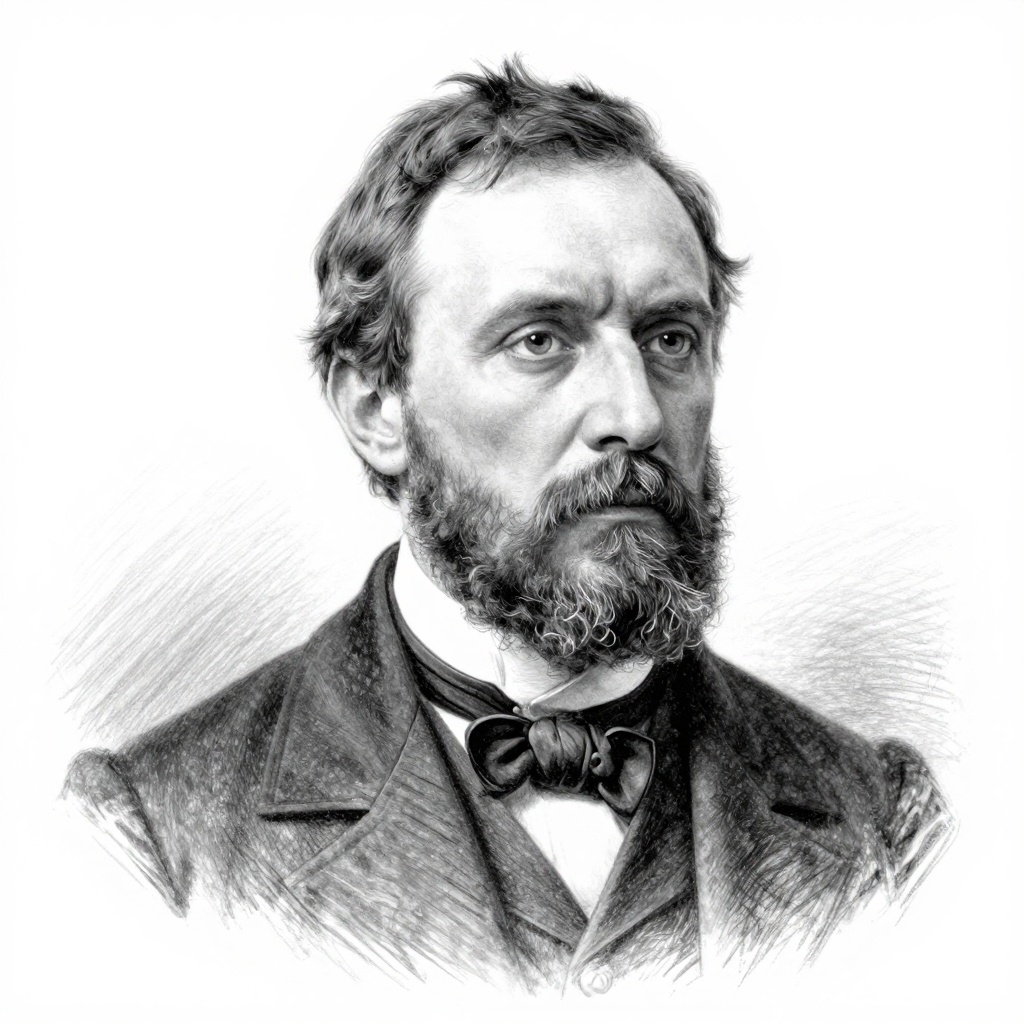
Robert Fortune (1812-1880) was a Scottish botanist and plant hunter, best known for his role in the introduction of tea cultivation to India. Employed by the British East India Company, he traveled to China in the 1840s to gather tea plants and seeds, which significantly contributed to the development of the tea industry in British India. Fortune's expeditions and studies in botany also extended to a wide array of other plants, making him a prominent figure in the field of horticulture.
Comments