Quote · Added 14 February 2026
A quiet mind cureth all.
Robert BurtonThe Anatomy of Melancholy, p. 123, 1621
No ratings yet
Quote · Added 14 February 2026
There's something we've mostly forgotten in our rush toward self-improvement: sometimes the cure isn't doing more, it's doing less. A quiet mind isn't about achieving some zen monastery state—it's about what happens when you stop the constant internal argument with yourself. That background hum of worry, planning, regret, and second-guessing that most of us treat as just normal consciousness? It's actually exhausting your actual capacity to heal.
What's interesting is that Burton wrote this centuries ago, before social media trained us to constantly feed our anxiety. Yet his insight feels more urgent now because we've made it harder than ever to access that quietness. We treat rest like laziness, silence like boredom, and stillness like wasted time. Meanwhile our nervous systems are in a permanent state of low alert—and we wonder why so many people feel stuck in their bodies, their relationships, their health.
The quiet mind cure isn't mystical. It just means occasionally stopping the churning long enough for your actual body to remember it's safe, for your actual problems to look smaller, for something like clarity to emerge. Not through force, but through permission.
d. 1640
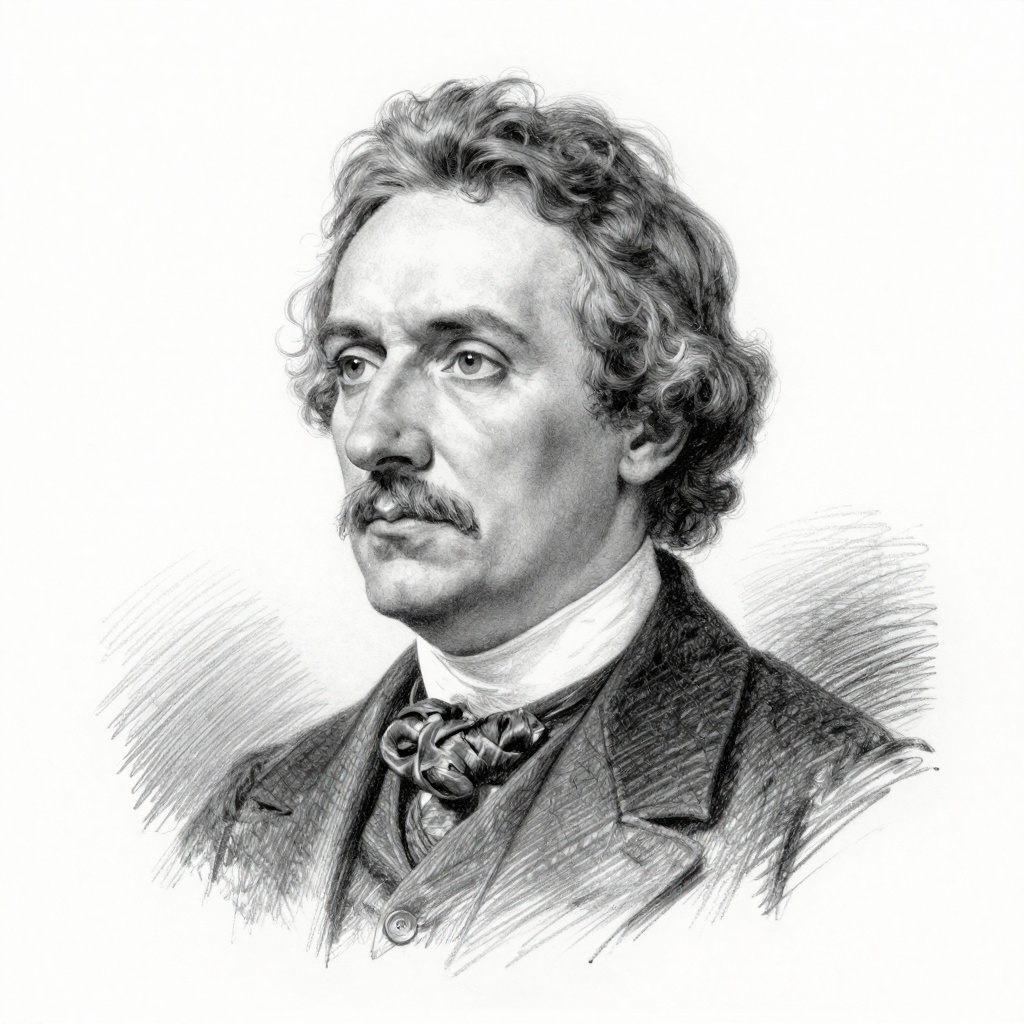
Robert Burton was an English scholar, writer, and clergyman, best known for his work "The Anatomy of Melancholy" published in 1621. He was a well-educated man who studied at Oxford University and spent most of his life as a fellow at Christ Church, Oxford. Burton's work explored the complexities of human emotions and the concept of melancholy, making him a significant figure in English literature and psychology.
Comments