Quote · Added 14 February 2026
The appellation of a Scottish Bard is by far my highest pride; to continue to deserve it is my most exalted ambition.
Robert BurnsLetter to Mrs. Dunlop, March 1787
No ratings yet
Quote · Added 14 February 2026
There's something quietly radical about Burns choosing to identify himself by his craft and culture rather than by rank or fortune. He wasn't a nobleman or a merchant—he was a man who made words matter, and he treated that responsibility like it was everything. That choice to say "this identity is my real measure" speaks to something we often get backwards: we assume external validation or status is what we should aim for, when actually what tends to stick with us is whether we've done meaningful work and stayed true to where we're from.
What's easy to miss is how much courage this took in his time. Scotland was politically and culturally subordinate to England, and Burns was working-class on top of that. By calling himself a Scottish Bard with genuine pride—not as a joke or an apology—he was saying his background wasn't a limitation to overcome. It was his actual credential.
We still struggle with this. We downplay our origins, our hobbies, our real passions in favor of titles that look better on paper. Burns reminds us that continuing to deserve something you actually care about—staying curious, keeping your standards high—creates a different kind of pride than checking boxes ever will. It's the difference between accomplishment and actual meaning.
1759–1796·lived 37 years
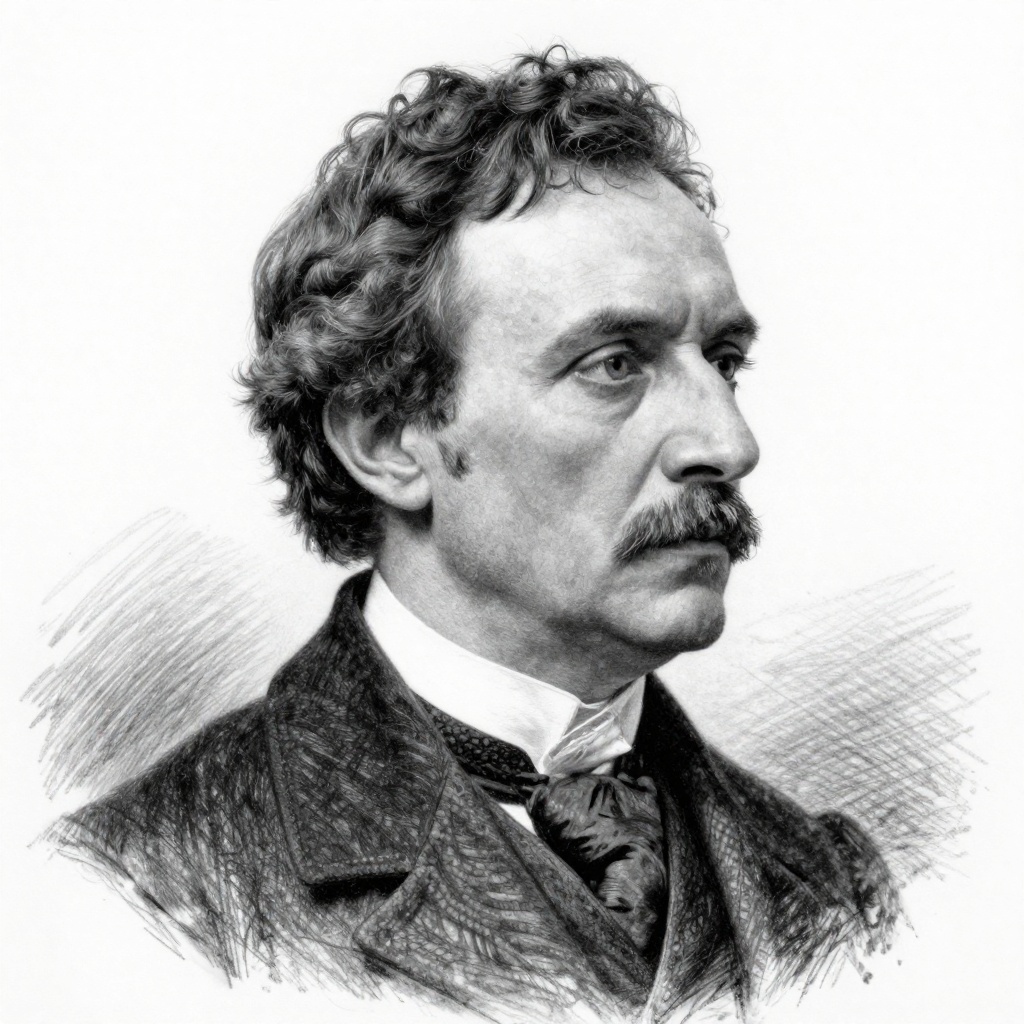
Robert Burns was a Scottish poet and lyricist, widely regarded as the national poet of Scotland. Born on January 25, 1759, he is best known for his poems and songs that celebrate Scottish culture and traditions, including "Auld Lang Syne" and "Tam o' Shanter." Burns' works have had a lasting impact on literature, and he is celebrated each year on Burns Night, January 25th.
Comments