Quote · Added 15 February 2026
What's a man's age? He must hurry more, that's all; Cram in a day, what his youth took a year to hold.
No ratings yet
Quote · Added 15 February 2026
There's something both dark and liberating in this idea. When you're young, time feels infinite, so you let things breathe—a conversation stretches across an afternoon, a skill develops gradually over seasons. But as you get older, you start to feel the squeeze. You can't afford the same leisurely pace, so you become ruthlessly efficient about what matters.
The tricky part is figuring out what actually deserves cramming. Most of us don't suddenly become wiser about priorities just because we're running low on time. We often speed up at the wrong things—answering emails faster, checking off task lists—while the stuff that actually needed time gets abandoned anyway. The real challenge of aging isn't just moving quicker; it's knowing what's worth rushing and what loses its meaning entirely when you remove the slowness.
What Browning captures that feels especially relevant now is how we've normalized this constant acceleration. We're all trying to cram more in, regardless of age. But maybe the point isn't to become a more efficient machine. Maybe it's to get brutally honest about what a day is actually worth holding.
1812–1889·lived 77 years
Robert Browning (1812–1889) was an English poet and playwright known for his dramatic monologues in which he delved into complex psychological observations and moral issues. His works, including "My Last Duchess" and "The Pied Piper of Hamelin," are celebrated for their insight into the human psyche and their poetic mastery.
Also by Robert Browning
The best is yet to be.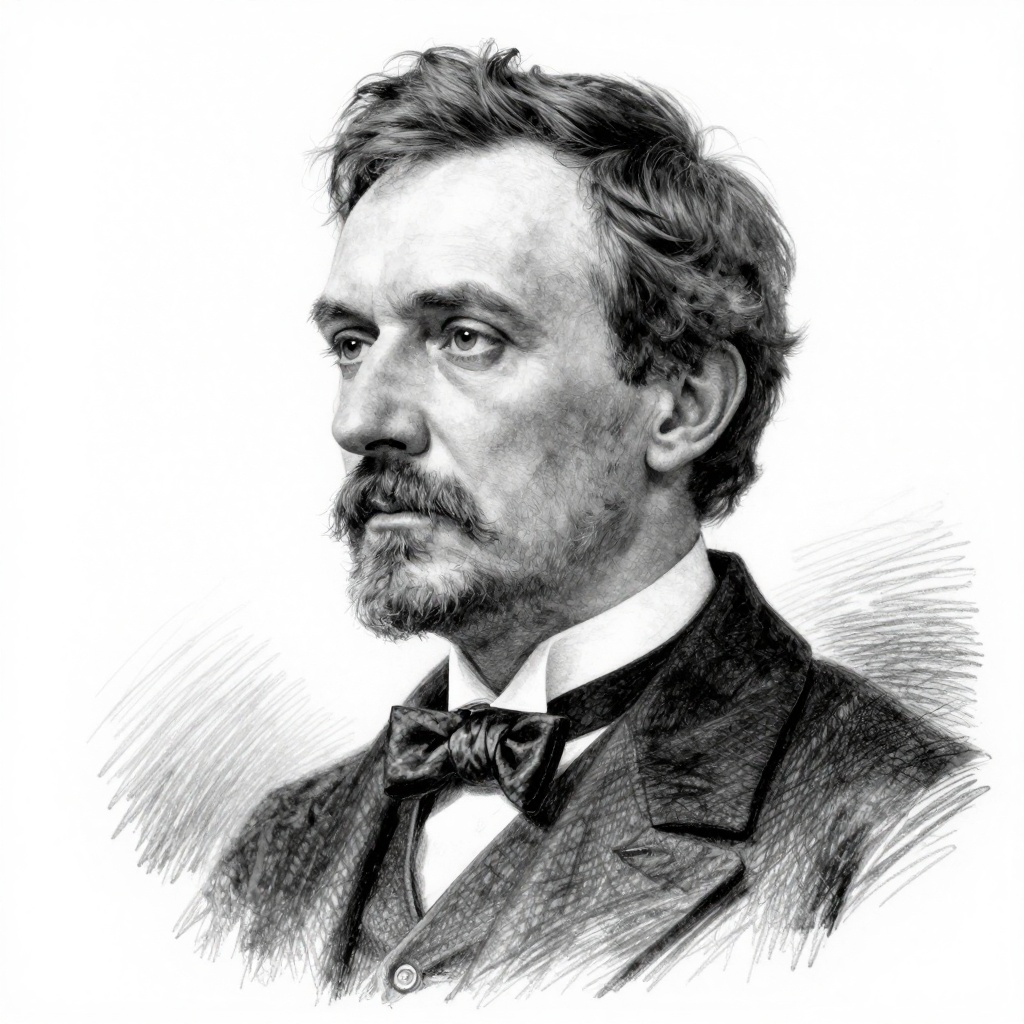
Comments