Quote · Added 17 February 2026
The best is yet to be.
No ratings yet
Quote · Added 17 February 2026
There's something almost radical about genuinely believing this. Not in a toxic positivity way—not ignoring real pain or pretending setbacks don't matter. But Browning's line works because it resists the trap of nostalgia that catches so many of us: the creeping sense that we've already seen our best days, that we should've done things differently back when, that life is mostly about managing decline.
The thing is, we have evidence on both sides. Your twenties were simpler. Your first love felt more intense. But you also couldn't have written that email at work with the wisdom you have now, or recognized a real friend when you met one, or known what actually matters. Every decade closes one door and opens others—not as compensation, but as genuine trade-offs. What you're capable of keeps changing.
The real pull of "the best is yet to be" might be permission to stop rating your life by what's already happened. It's an invitation to pay attention to what you're becoming, not just what you were. That shift alone—from looking backward to looking forward with curiosity instead of fear—often changes what's actually possible.
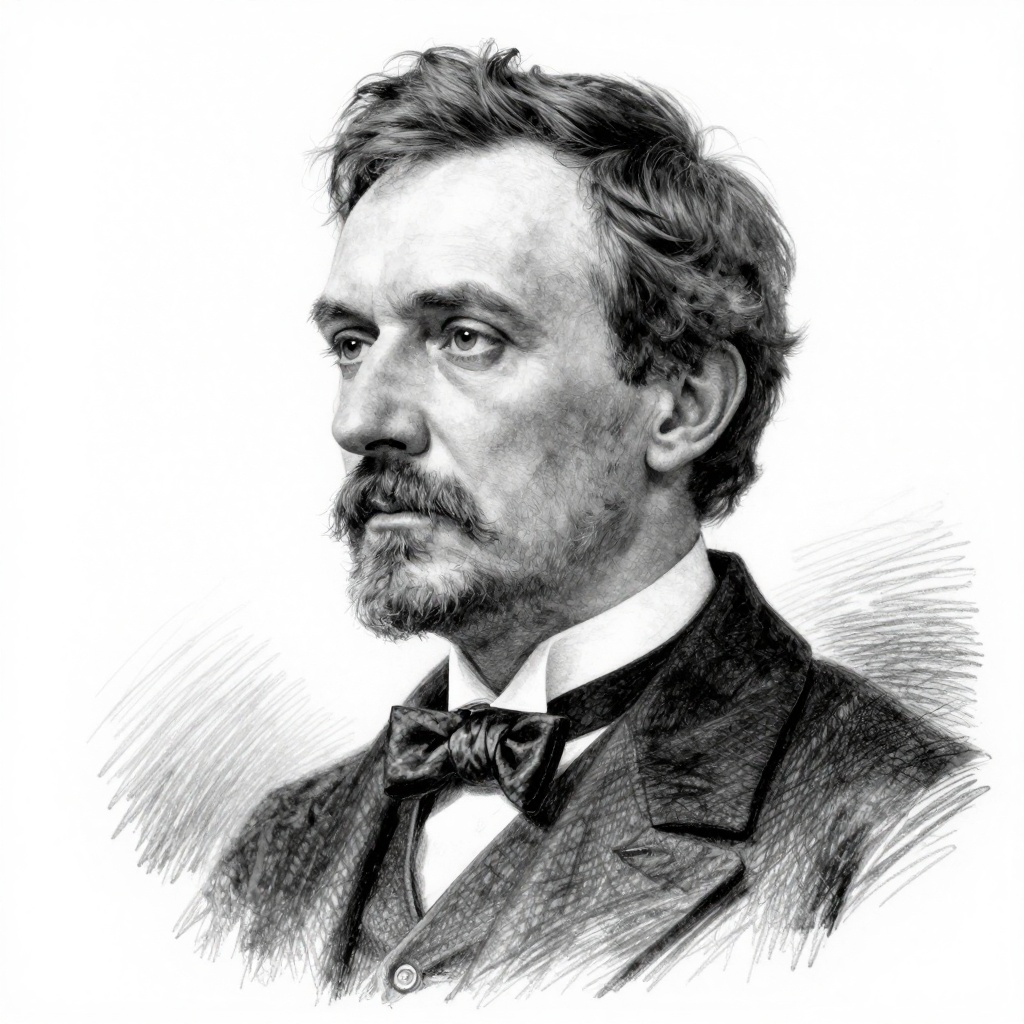
1812–1889·lived 77 years
Robert Browning (1812–1889) was an English poet and playwright known for his dramatic monologues in which he delved into complex psychological observations and moral issues. His works, including "My Last Duchess" and "The Pied Piper of Hamelin," are celebrated for their insight into the human psyche and their poetic mastery.
Comments