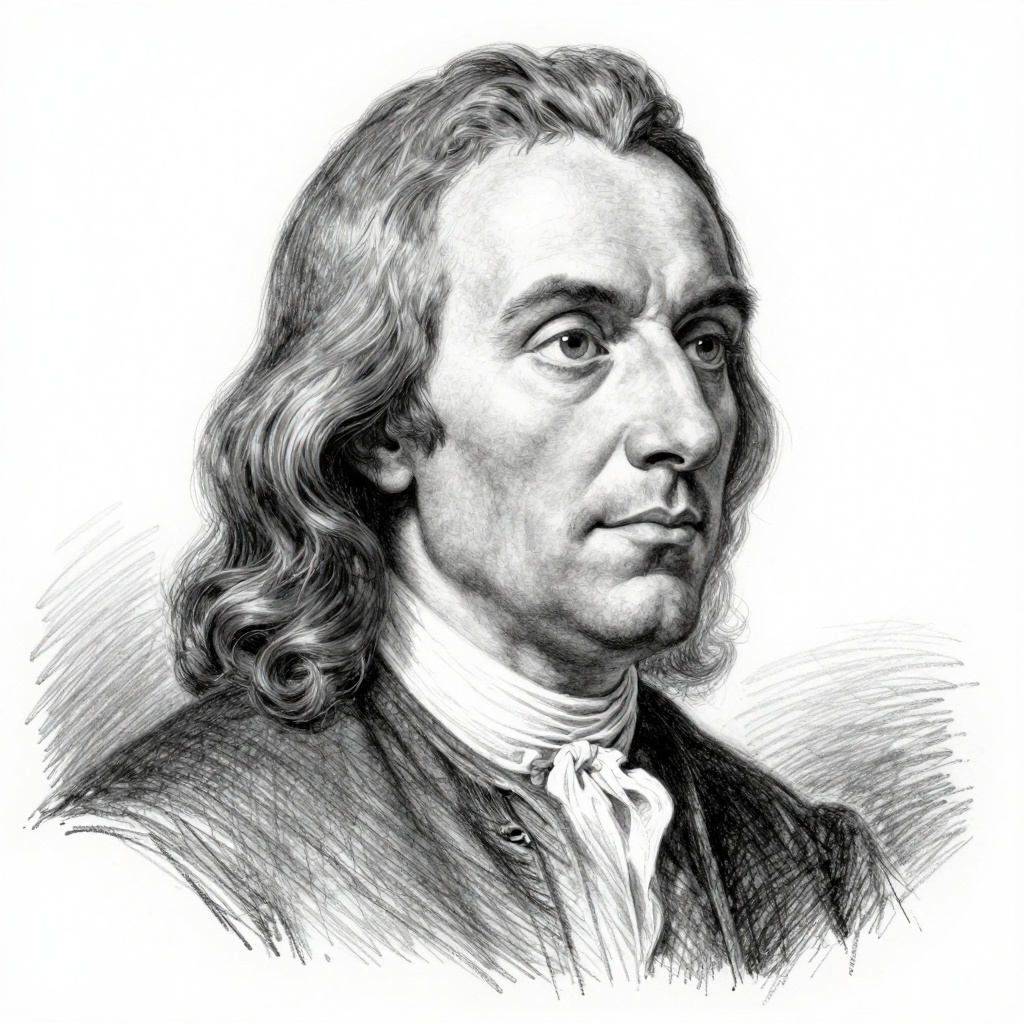
If you would be a real seeker after truth, it is necessary that at least once in your life you doubt, as far a... — Rene Descartes

If you would be a real seeker after truth, it is necessary that at least once in your life you doubt, as far as possible, all things.

Author: Rene Descartes

Insight: Most of us move through life with a comfortable set of assumptions we barely question. We believe what we were taught, what our social circles believe, what the internet confirms for us. But Descartes is pointing to something radical: real understanding requires you to actually pause and wonder whether you've been wrong about things that feel obviously true. The tricky part is that this doesn't mean being paralyzed by skepticism or turning into someone insufferable who questions everything at dinner. It means occasionally stepping back and asking yourself: what am I taking for granted here? Maybe it's about relationships—assumptions you've made about what love should look like, or how successful people behave. Maybe it's about your own abilities or limitations. The people who tend to grow the most are the ones willing to temporarily let go of certainty, even about their own beliefs. The non-obvious angle here is that doubt isn't the opposite of conviction. It's actually the path to it. When you genuinely question something and still come back to it, your belief becomes stronger and more honest. You're not just following the script anymore—you've actually thought it through.

Doubt as the path to conviction

If you would be a real seeker after truth, it is necessary that at least once in your life you doubt, as far as possible, all things.

Most of us move through life with a comfortable set of assumptions we barely question. We believe what we were taught, what our social circles believe, what the internet confirms for us. But Descartes is pointing to something radical: real understanding requires you to actually pause and wonder whether you've been wrong about things that feel obviously true.

The tricky part is that this doesn't mean being paralyzed by skepticism or turning into someone insufferable who questions everything at dinner. It means occasionally stepping back and asking yourself: what am I taking for granted here? Maybe it's about relationships—assumptions you've made about what love should look like, or how successful people behave. Maybe it's about your own abilities or limitations. The people who tend to grow the most are the ones willing to temporarily let go of certainty, even about their own beliefs.

The non-obvious angle here is that doubt isn't the opposite of conviction. It's actually the path to it. When you genuinely question something and still come back to it, your belief becomes stronger and more honest. You're not just following the script anymore—you've actually thought it through.

AI generated

Comments

Sign in to leave a comment or reply to one.

Sign in

Rene Descartes

René Descartes was a French philosopher, mathematician, and scientist born on March 31, 1596, and died on February 11, 1650. He is best known for his contributions to modern philosophy and mathematics, particularly for his statement "Cogito, ergo sum" ("I think, therefore I am") and for developing Cartesian coordinates, which laid the groundwork for analytical geometry. Descartes' work in rationalism and skepticism has had a lasting influence on Western thought.

Graph

Related