Quote · Added 14 February 2026
Each problem that I solved became a rule, which served afterwards to solve other problems.
Rene DescartesDiscourse on the Method, p. 14, 1637
Quote · Added 14 February 2026
We live in a world that treats problem-solving like it's always urgent and isolated. You hit a snag with your boss, you fix it and move on. Your kid won't eat vegetables, you find a workaround and forget about it. But Descartes is pointing at something we usually miss: every single time you solve something, you're actually building a toolkit for the future.
Think about learning to have a difficult conversation. The first time feels terrifying and specific to that one person, that one moment. But if you notice what actually worked—maybe it was starting with curiosity instead of defensiveness, or picking the right time—suddenly you have a principle. That principle doesn't just help with the next conflict; it ripples into your parenting, your friendships, your work. You're not just solving problems anymore; you're developing a philosophy of how things actually work.
The trick is paying attention to the method, not just the outcome. Most of us solve a problem, feel relief, and move on without extracting the lesson. Descartes is reminding us that the real power isn't in the solution itself—it's in noticing the pattern beneath it. That's what turns a one-time fix into something that compounds over time, making you quietly better at living.
1596–1650·lived 53 years
René Descartes was a French philosopher, mathematician, and scientist born on March 31, 1596, and died on February 11, 1650. He is best known for his contributions to modern philosophy and mathematics, particularly for his statement "Cogito, ergo sum" ("I think, therefore I am") and for developing Cartesian coordinates, which laid the groundwork for analytical geometry. Descartes' work in rationalism and skepticism has had a lasting influence on Western thought.
Also by Rene Descartes
The greatest minds are capable of the greatest vices as well as of the greatest virtues.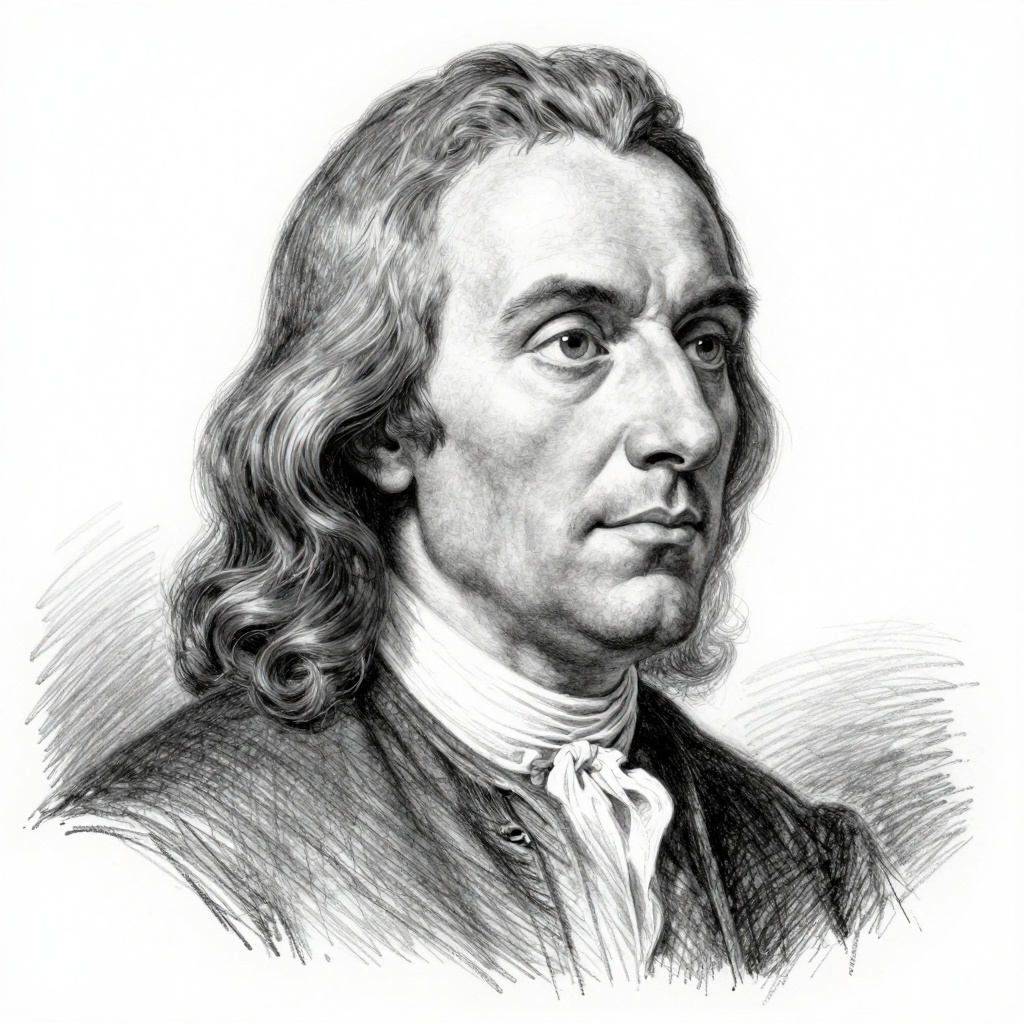
Comments