Quote · Added 11 February 2026
When the flower blooms, the bees come uninvited.
Ramakrishna ParamahamsaThe Gospel of Sri Ramakrishna, p. 123, 1942
Filed underflower·nature·spontaneity
Quote · Added 11 February 2026
Filed underflower·nature·spontaneity
There's something quietly radical about this image. We spend so much energy trying to attract people, opportunities, and attention—polishing our résumés, networking, curating our social media. But this quote suggests that when we're genuinely good at something, when we've cultivated real skill or character, the right people simply show up. Not because we begged or schemed, but because quality is magnetic.
The tricky part is that we can't fake the bloom. You can't spray-paint a flower and expect bees. This means the work has to come first—the real growth, the genuine development of whatever it is you're building. Only then do the uninvited guests arrive, bringing collaboration, opportunity, and recognition that feels earned rather than forced.
There's also a liberation in this idea. If you stop obsessing over who's watching and focus instead on becoming genuinely excellent at what matters to you, the anxiety shifts. You're no longer performing for an audience that may never come. You're simply tending your garden. The bees, when they arrive, are almost a side effect of doing the work right.
1836–1886·lived 50 years
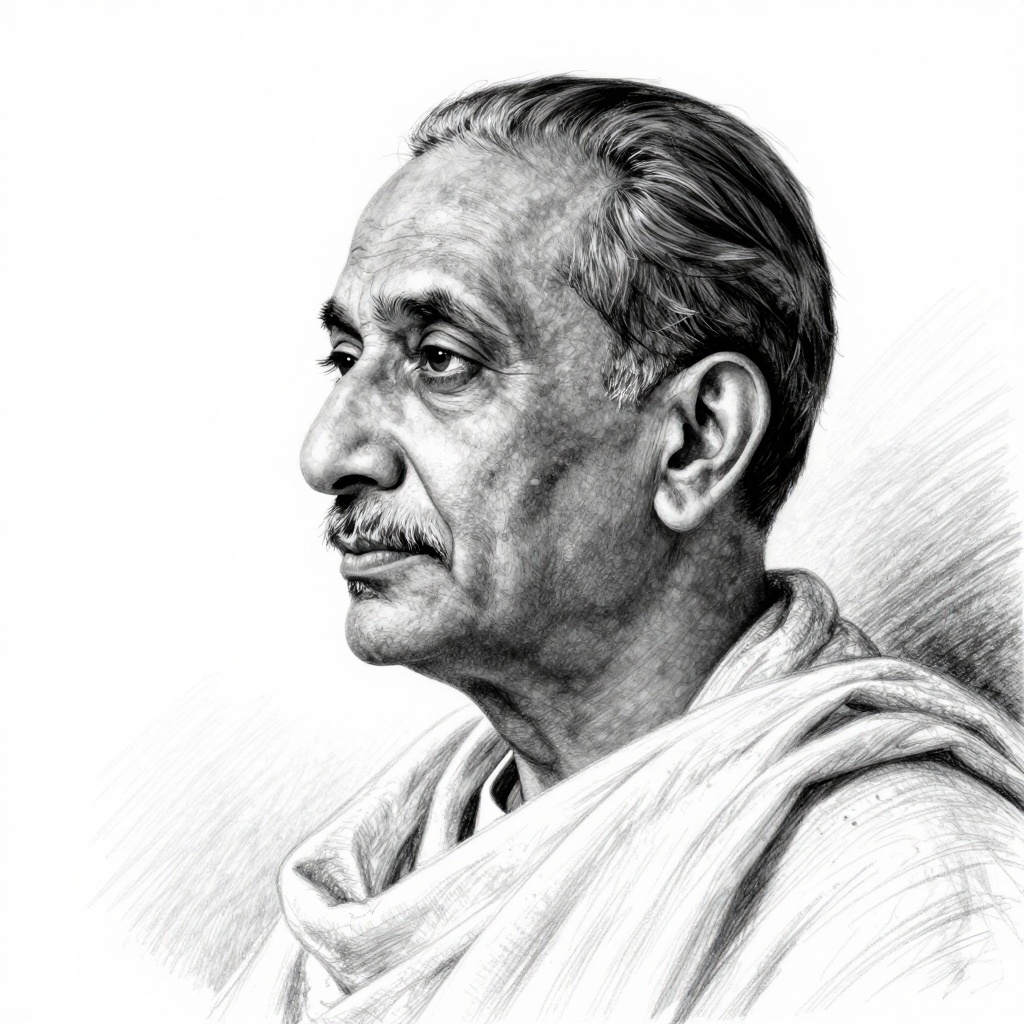
Ramakrishna Paramahamsa (1836-1886) was an Indian mystic and religious leader known for his profound spiritual insights and teachings. He played a key role in the revival of Hinduism in the 19th century and emphasized the unity of all religions. His disciple, Swami Vivekananda, helped spread his teachings worldwide, contributing to the global interest in Eastern spirituality.
Comments