Quote · Added 28 February 2026
Win as if you were used to it, lose as if you enjoyed it for a change.
Filed underwin·mindset·resilience
Quote · Added 28 February 2026
Filed underwin·mindset·resilience
Most of us swing between two extremes: we either collapse into despair when things don't go our way, or we become unbearably smug when we win. Emerson's advice cuts through both tendencies with a kind of playful wisdom. He's saying that true confidence isn't about celebrating victories loudly—it's about staying so grounded in who you are that success feels natural, almost ordinary. You don't need to prove anything to yourself or anyone else.
The second half is where it gets interesting. "Lose as if you enjoyed it for a change" doesn't mean pretending losses don't sting. It means refusing to let failure become your identity. Most people treat losses like catastrophes, spiraling into shame or blame. But what if you could step back far enough to see the learning in it? There's actually freedom in that perspective—the freedom to try again without carrying all that weight. When you can laugh at your own mistakes, you remove their power over you. You stop protecting yourself so desperately and start actually living. The wins will come, but in the meantime, you get to keep your dignity either way.
1803–1882·lived 78 years
Ralph Waldo Emerson (1803–1882) was an American essayist, lecturer, and poet who led the Transcendentalist movement of the mid-19th century. He is known for his philosophical essays, particularly "Nature" and "Self-Reliance," which emphasize individualism, self-reliance, and the importance of nature as a spiritual force.
Also by Ralph Waldo Emerson
Be silly, be honest, be kind.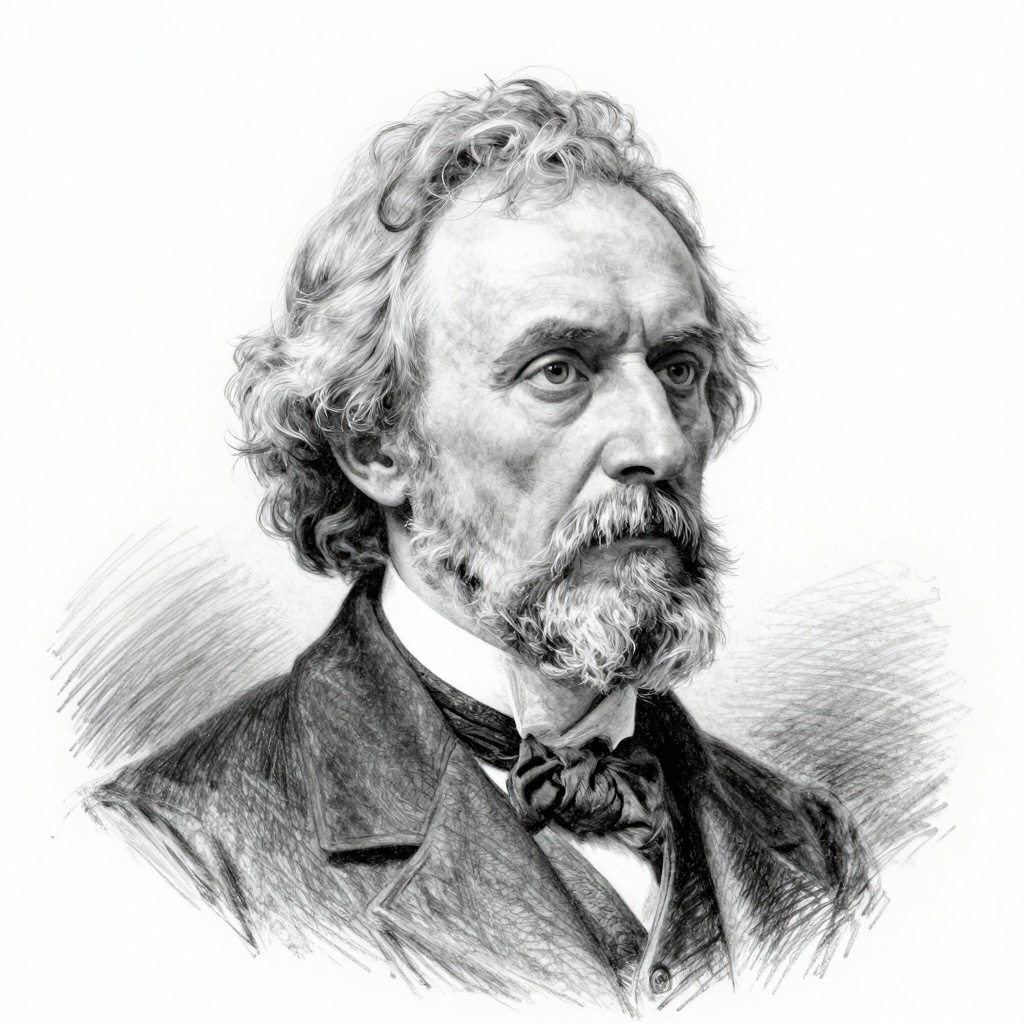
Comments