Quote · Added 1 October 2023
We must be our own before we can be another’s.
Ralph Waldo EmersonSelf-Reliance, Essays: First Series, 1841
Filed underself·identity·independence
Quote · Added 1 October 2023
Filed underself·identity·independence
There's something almost counterintuitive about this idea today, when we're constantly told that relationships—romantic, professional, social—are where real meaning lives. But Emerson's point cuts against that grain in a useful way. You can't actually show up fully for someone else if you're still figuring out who you are. It's like trying to give someone directions when you're lost yourself. You'll just spread the confusion around.
The tricky part is that "being our own" doesn't mean being selfish or waiting until you're perfect before you connect with anyone. It means having some core sense of what you value, what you need, what you're willing and unwilling to do. It means not disappearing into someone else's expectations or needs just because you crave connection. People who skip this step often end up in relationships where they're constantly apologizing for existing, or they burn out trying to be everything to someone else.
The practical payoff is worth it though. When you have a solid foundation of self-knowledge, you actually become better at relationships—more honest, less resentful, less likely to demand that another person complete you. You're choosing to be with someone rather than desperately needing them to fill a void. That's when real partnership becomes possible.
1803–1882·lived 78 years
Ralph Waldo Emerson (1803–1882) was an American essayist, lecturer, and poet who led the Transcendentalist movement of the mid-19th century. He is known for his philosophical essays, particularly "Nature" and "Self-Reliance," which emphasize individualism, self-reliance, and the importance of nature as a spiritual force.
Also by Ralph Waldo Emerson
Be silly, be honest, be kind.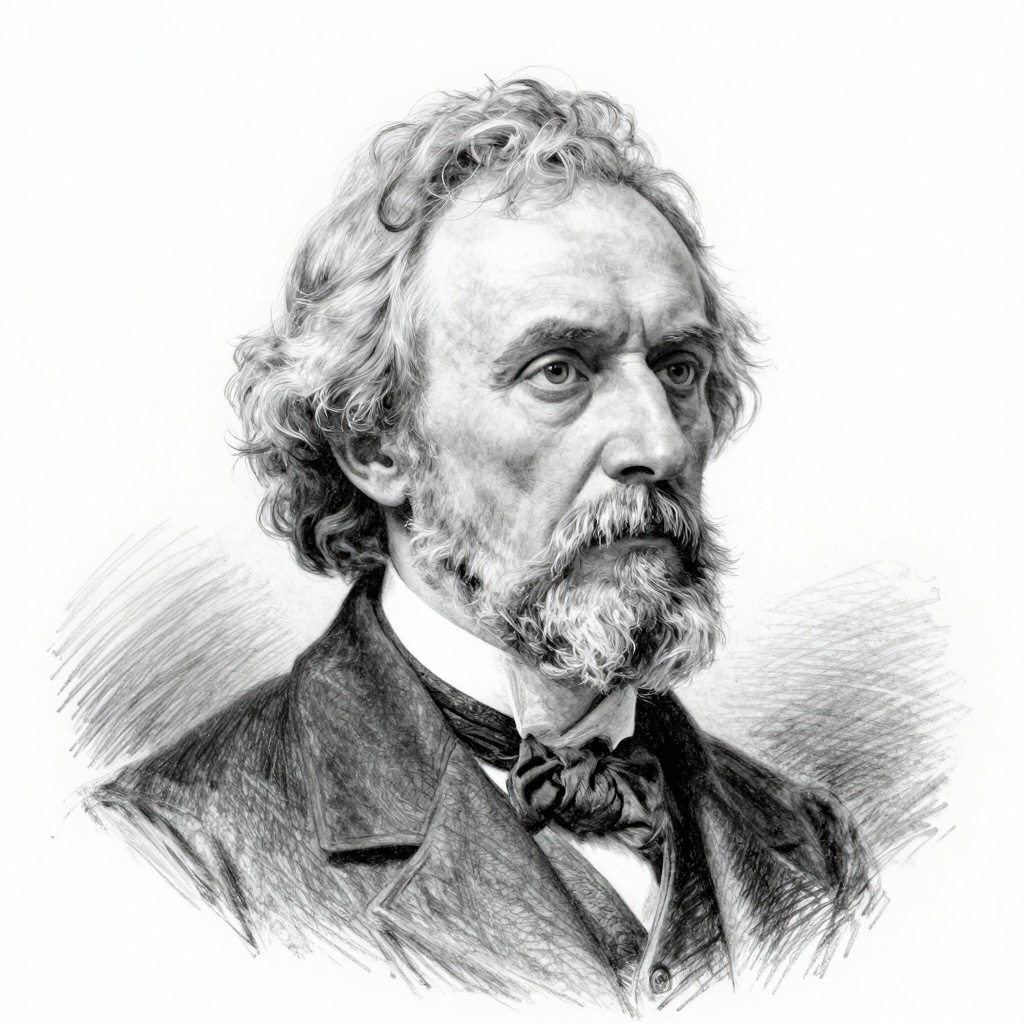
Comments