Quote · Added 10 February 2026
We aim above the mark to hit the mark.
Ralph Waldo EmersonNature and Other Essays
Quote · Added 10 February 2026
Most of us think of ambition as dangerous—aim too high and you'll crash, so better to be realistic and safe. But Emerson noticed something backwards about this logic: the people who actually accomplish meaningful things almost never aim at what they actually want. They aim beyond it.
This works because life has friction built in. Distractions happen. You lose momentum. You get tired and settle for less. So if you want to write a good book, you don't aim to write a good book—you aim to write something extraordinary, knowing that even falling short of extraordinary still lands you somewhere worthwhile. The same applies to how you want to be as a parent, how much you want to learn, the career you're building. There's usually a gap between your target and where you'll actually land, and Emerson's point is to account for that gap intelligently.
The non-obvious part? This isn't really about being ambitious or dreamy. It's almost practical. You're not aiming high because you're delusional or hungry for glory. You're aiming high because it's the most effective way to hit something real. Aim at the mark itself, and you'll probably undershoot without meaning to.
1803–1882·lived 78 years
Ralph Waldo Emerson (1803–1882) was an American essayist, lecturer, and poet who led the Transcendentalist movement of the mid-19th century. He is known for his philosophical essays, particularly "Nature" and "Self-Reliance," which emphasize individualism, self-reliance, and the importance of nature as a spiritual force.
Also by Ralph Waldo Emerson
Be silly, be honest, be kind.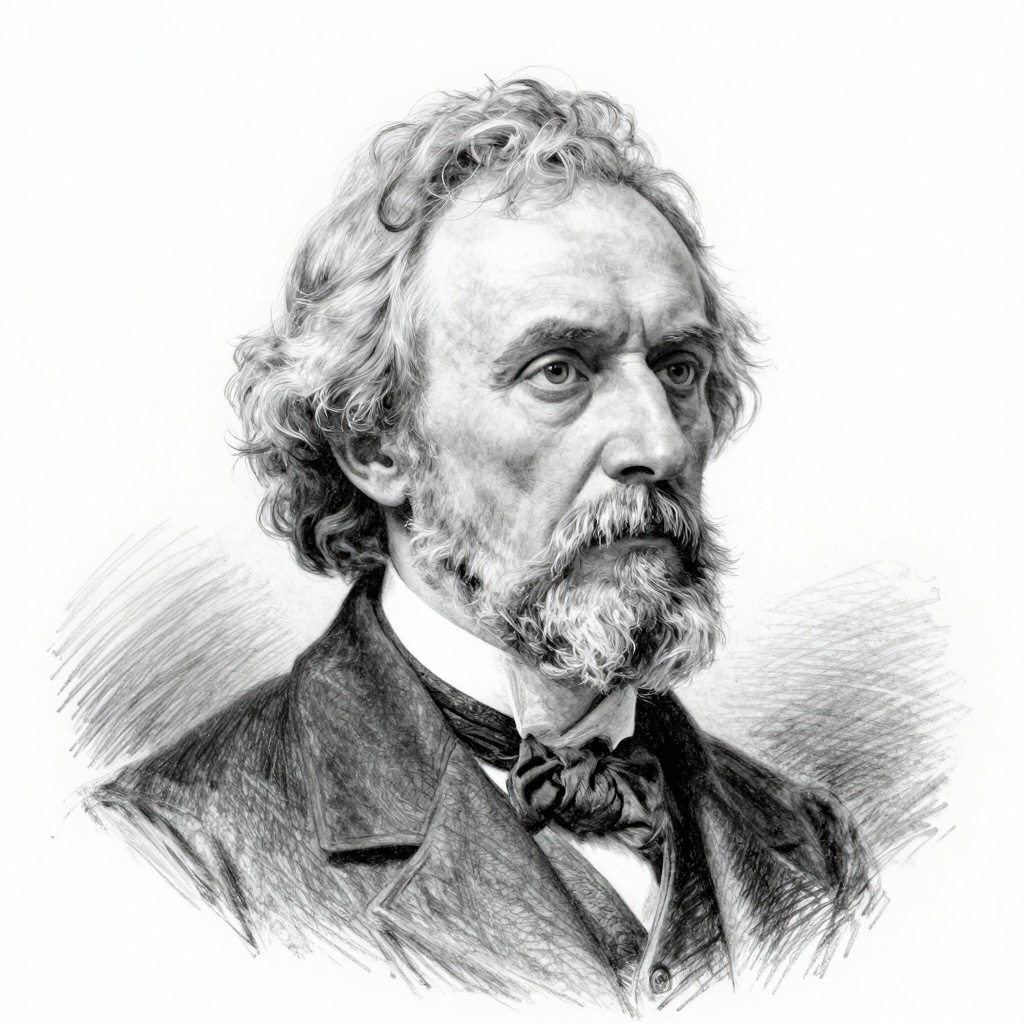
Comments