Quote · Added 9 July 2024
To different minds, the same world is a hell, and a heaven.
Ralph Waldo EmersonEssays, First Series, Project Gutenberg, 2001
Filed underworld·perception·dichotomy
Quote · Added 9 July 2024
Filed underworld·perception·dichotomy
We often assume that happiness or misery comes from our actual circumstances—our job, our relationships, our bank account. But Emerson points to something stranger and more hopeful: the same situation produces completely different experiences depending on how we're wired to interpret it. Two people in identical jobs, with identical paychecks, might feel trapped or inspired. The difference isn't the job. It's the lens.
This matters because it suggests we're not as stuck as we think. Yes, some of this lens is temperament—some people are naturally more optimistic or anxious. But a huge portion is habit. The thoughts we rehearse, the details we notice, the stories we tell about what's happening to us—these shape whether a setback feels like a catastrophe or useful feedback, whether solitude feels lonely or restorative. The world doesn't change when we shift our perspective, but our actual lived experience does.
The non-obvious part: this isn't about positive thinking or forcing yourself to be grateful. It's about noticing that you're already interpreting everything anyway. You're already choosing what to focus on. Once you see that you're doing it, you have some say in what gets your attention next.
1803–1882·lived 78 years
Ralph Waldo Emerson (1803–1882) was an American essayist, lecturer, and poet who led the Transcendentalist movement of the mid-19th century. He is known for his philosophical essays, particularly "Nature" and "Self-Reliance," which emphasize individualism, self-reliance, and the importance of nature as a spiritual force.
Also by Ralph Waldo Emerson
Be silly, be honest, be kind.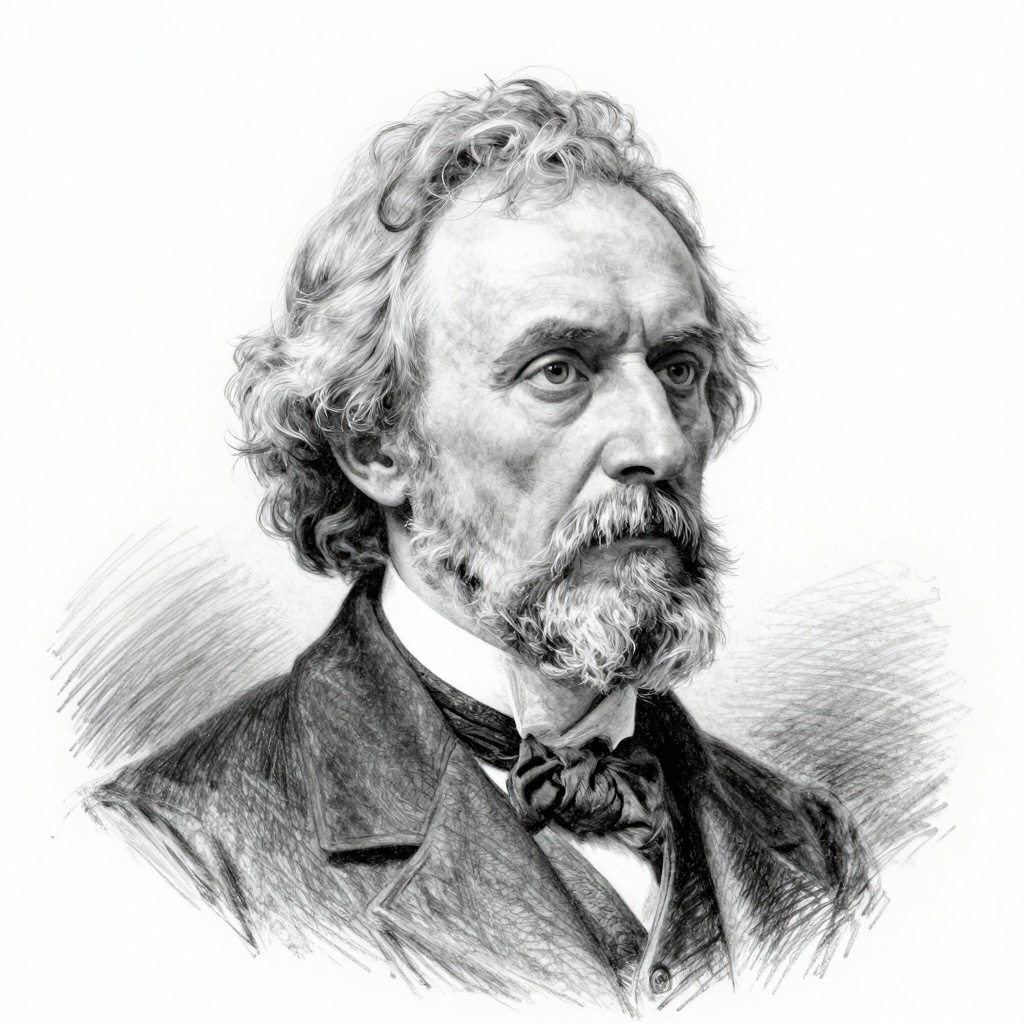
Comments