Quote · Added 14 February 2026
This time, like all times, is a very good one, if we but know what to do with it.
Ralph Waldo EmersonThe American Scholar, Phi Beta Kappa Address, Harvard University, 1837
Filed undertime·opportunity·wisdom
Quote · Added 14 February 2026
Filed undertime·opportunity·wisdom
We usually treat "this time" as something that happened to us—the wrong time, the unlucky time, the time we weren't ready for. We postpone our actual lives until conditions improve, until we have more money, more clarity, fewer obstacles. But Emerson is pointing at something harder to accept: the present moment, exactly as it is, contains everything we actually need. The only real variable is whether we recognize it.
This isn't naive optimism. He's not saying every moment feels good or that bad things don't happen. He's saying the raw material for growth, connection, and meaning is always available right now. The struggling freelancer can still build something. The person stuck in a job they hate can still read, think, and prepare. A difficult relationship can still teach you something true about yourself. Most of what we're waiting for isn't permission or luck—it's the decision to work with what's in front of us instead of against it.
The trap is the tiny word "but." We know all this intellectually. What actually changes our lives is doing something with the time we have, not just having it. That's the daily choice Emerson is really asking about: are you using this hour, this conversation, this setback, or are you still waiting?
1803–1882·lived 78 years
Ralph Waldo Emerson (1803–1882) was an American essayist, lecturer, and poet who led the Transcendentalist movement of the mid-19th century. He is known for his philosophical essays, particularly "Nature" and "Self-Reliance," which emphasize individualism, self-reliance, and the importance of nature as a spiritual force.
Also by Ralph Waldo Emerson
Be silly, be honest, be kind.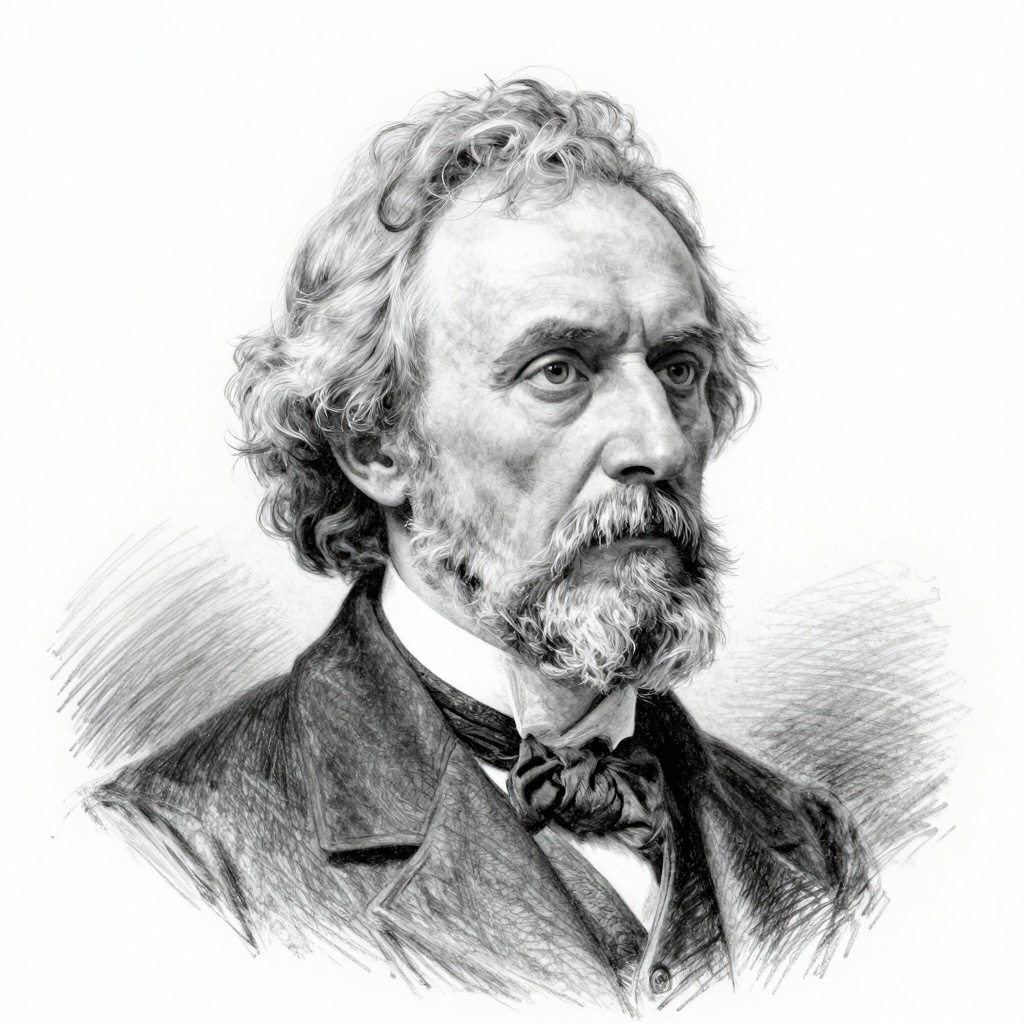
Comments