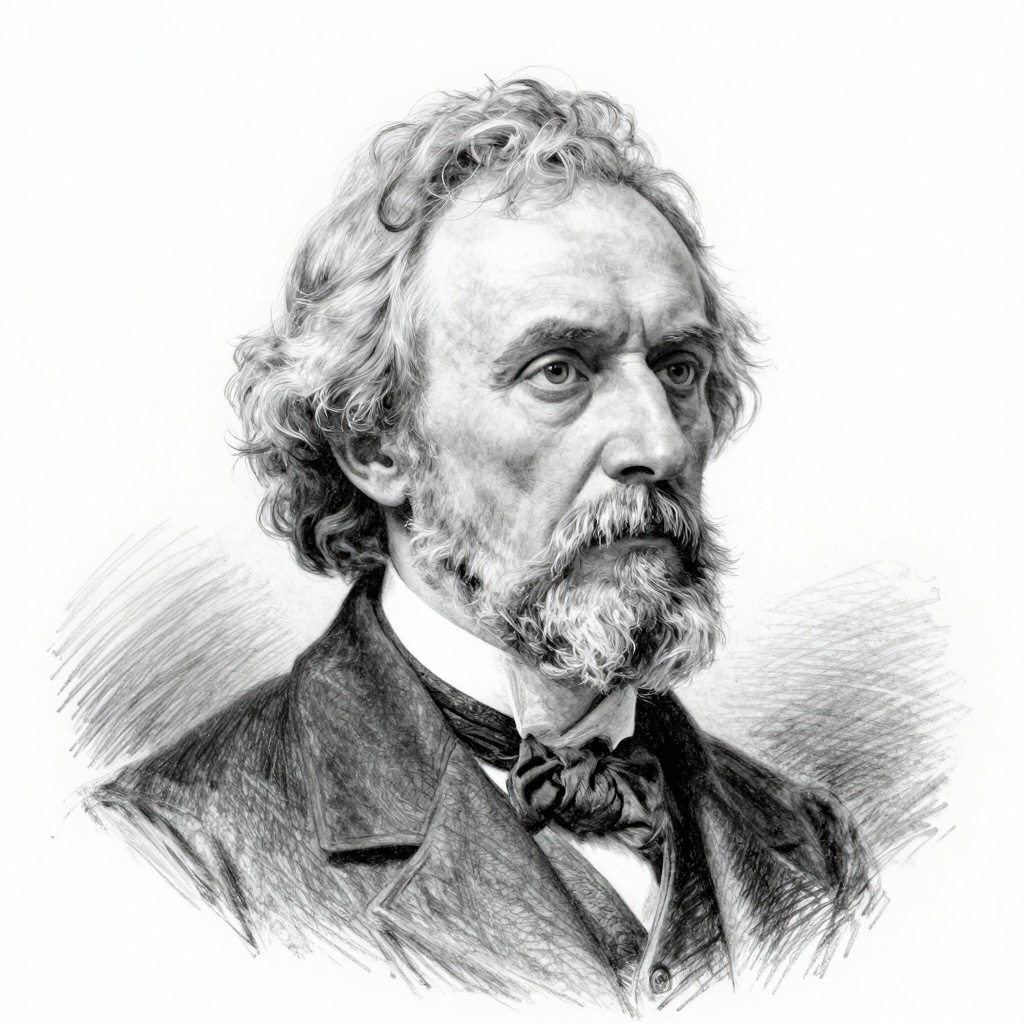
The vegetable life does not content itself with casting from the flower or the tree a single seed, but it fill... — Ralph Waldo Emerson
The vegetable life does not content itself with casting from the flower or the tree a single seed, but it fills the air and earth with a prodigality of seeds, that, if thousands perish, thousands may plant themselves, that hundreds may come up, that tens may live to maturity; that, at least one may replace the parent.
Author: Ralph Waldo Emerson
Insight: Nature doesn't believe in putting all its eggs in one basket—and there's something liberating about that philosophy when you're stuck in perfectionism. Emerson's point about seeds scattered wildly is really about abundance thinking versus scarcity. We're taught to be efficient, to make every effort count, to optimize. But the natural world operates on a different principle: try many things, expect most to fail, and trust that enough will succeed. A seed doesn't apologize for not germinating. It just falls to earth and takes its chances alongside thousands of others. This matters because we often treat our own attempts—whether creative projects, career moves, or relationships—like we only get one chance to plant something perfect. We hesitate, we overthink, we wait for ideal conditions. Meanwhile, nature just floods the zone with possibility. Some of those attempts will be stillborn. Some will grow twisted or weak. Most won't become what we hoped. But that's not a tragedy in nature's accounting; it's exactly how things work. The ones that do take root and thrive usually do so not because they were perfectly executed, but because there were enough of them in circulation. The secret isn't having one brilliant idea—it's being generously prolific with your efforts and letting the world sort them out.