Quote · Added 14 February 2026
The reward of a thing well done is having done it.
Ralph Waldo EmersonNew England Reformers, lecture, Boston (1844-03-03), Essays: Second Series, 1844
Filed underachievement·fulfillment·effort
Quote · Added 14 February 2026
Filed underachievement·fulfillment·effort
There's a moment most of us know but rarely talk about: the instant after you finish something genuinely well, before anyone else notices or praises it. That quiet satisfaction is what Emerson is really pointing to. It's not about waiting for applause or a paycheck or proof that it mattered. The doing itself—the care, the focus, the small victories along the way—that's already the reward.
This cuts against everything our modern world teaches us. We're trained to perform for an audience, to measure success by metrics and recognition. We tell ourselves we'll feel good once we get the promotion, the likes, the validation. But Emerson suggests something more immediate and honest: the best feeling comes from knowing you didn't cut corners, didn't phone it in, did the thing the way you wanted to do it. A meal cooked thoughtfully, a project finished with real attention, a conversation where you actually showed up—these deliver their own satisfaction instantly, independent of how they're received.
The counterintuitive part is that this approach often leads to better external results anyway. When you stop performing for approval and start caring about the work itself, people usually notice. But by then, you've already won something more reliable: the knowledge that you can trust yourself to do things well.
1803–1882·lived 78 years
Ralph Waldo Emerson (1803–1882) was an American essayist, lecturer, and poet who led the Transcendentalist movement of the mid-19th century. He is known for his philosophical essays, particularly "Nature" and "Self-Reliance," which emphasize individualism, self-reliance, and the importance of nature as a spiritual force.
Also by Ralph Waldo Emerson
Be silly, be honest, be kind.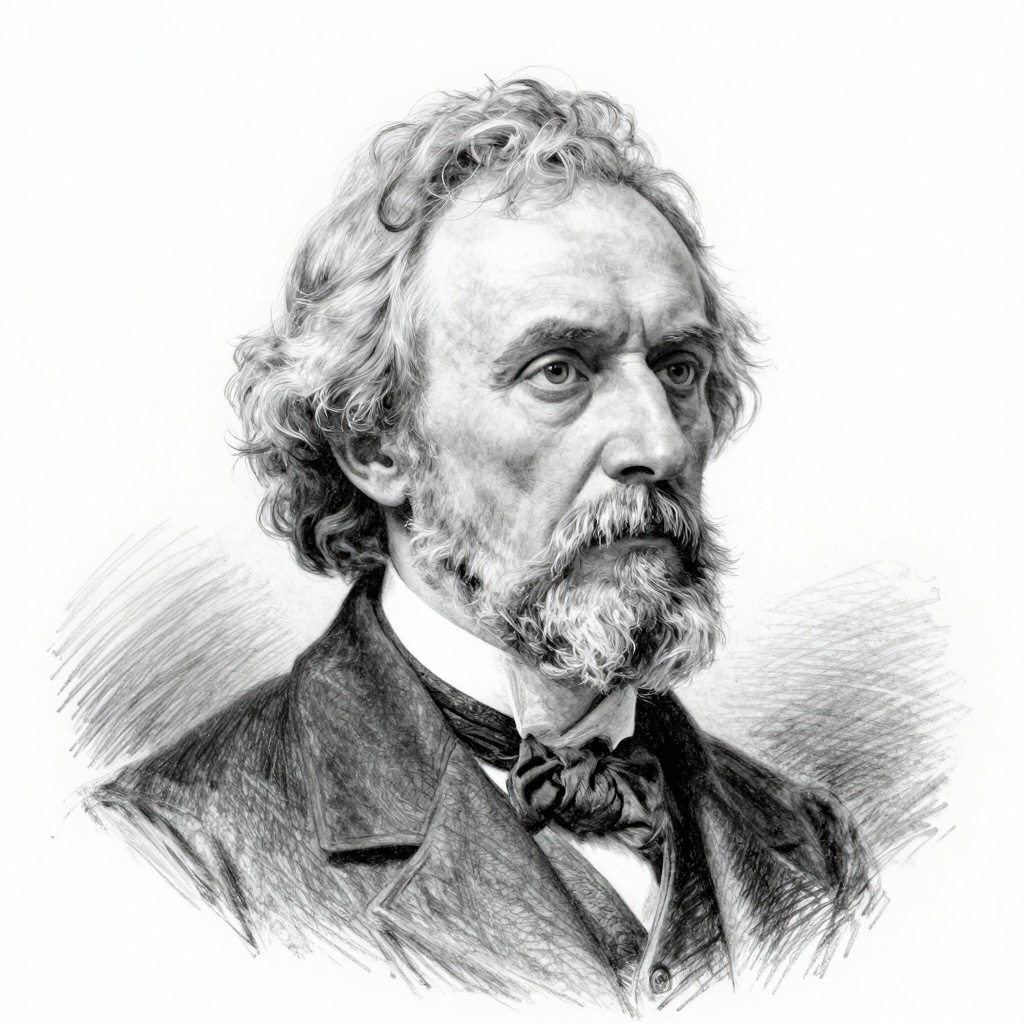
Comments