Quote · Added 14 February 2026
Speak the truth, and all things alive or brute are vouchers, and the very roots of the grass underground there, do seem to stir and move to bear you witness.
Ralph Waldo EmersonDivinity School Address, 1838
Quote · Added 14 February 2026
There's something almost unsettling about Emerson's idea here—that truth-telling creates this ripple effect through the entire world, like reality itself starts nodding in agreement. It's not about winning an argument or convincing someone through clever words. It's about speaking something so fundamentally true that even the grass seems to validate it. In our age of endless debate and spin, this feels radical: the suggestion that truth doesn't need our marketing.
The surprising part is what this implies about how we experience truth in our bodies and intuitions. When someone speaks authentically about something real—grief, love, injustice, wonder—you feel it differently than polished rhetoric. Your instincts recognize it. Emerson's "roots of grass underground" aren't metaphorical decoration; they're his way of saying that truth resonates through every level of existence, not just in human minds. It's less about convincing others and more about alignment—when you speak truly, you're moving in sync with how things actually are.
This matters now because we're drowning in information designed to persuade rather than illuminate. Emerson reminds us that authenticity has its own quiet authority. You don't need everyone to believe you if you're speaking what's real.
1803–1882·lived 78 years
Ralph Waldo Emerson (1803–1882) was an American essayist, lecturer, and poet who led the Transcendentalist movement of the mid-19th century. He is known for his philosophical essays, particularly "Nature" and "Self-Reliance," which emphasize individualism, self-reliance, and the importance of nature as a spiritual force.
Also by Ralph Waldo Emerson
Be silly, be honest, be kind.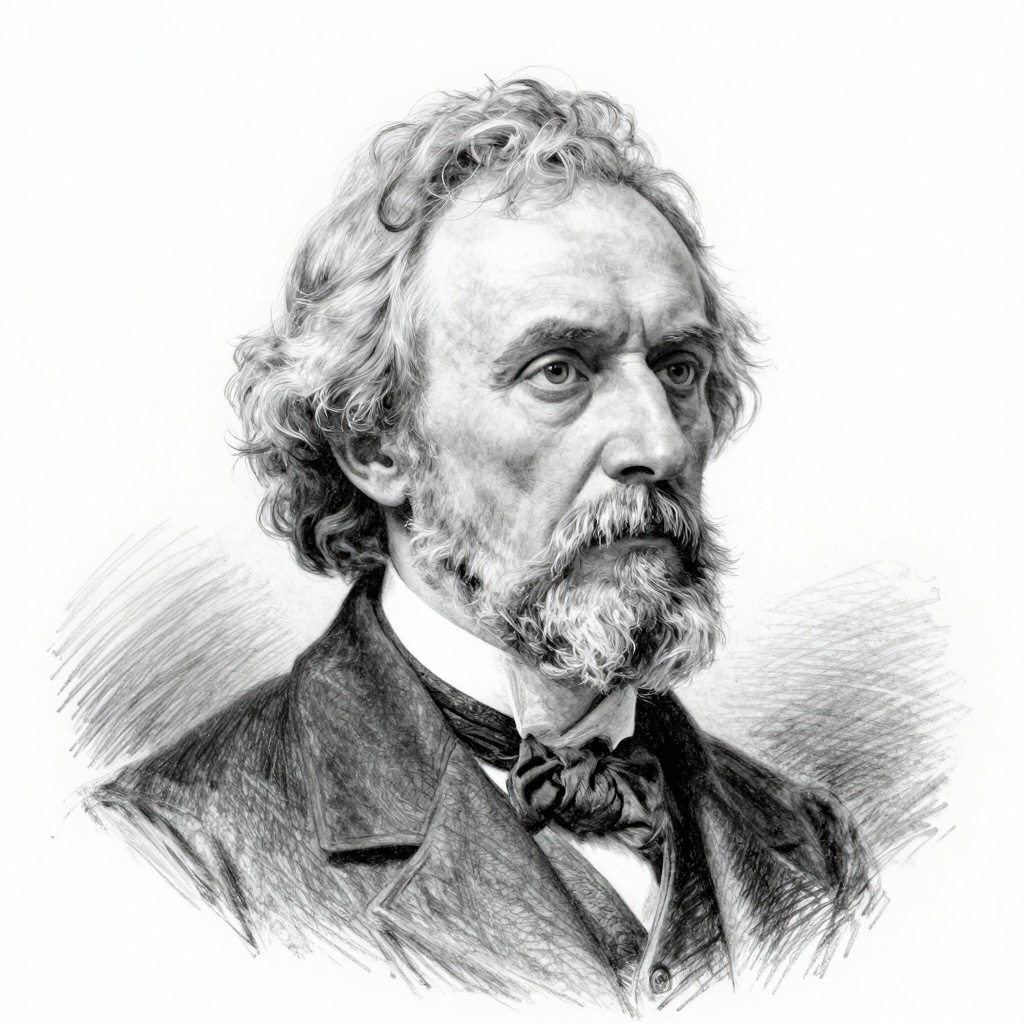
Comments