Quote · Added 17 May 2025
People seem not to see that their opinion of the world is also a confession of character. We can only see what we are.
Ralph Waldo EmersonThe Conduct of Life
Filed underperception·character·truth
Quote · Added 17 May 2025
Filed underperception·character·truth
What we criticize in the world usually says more about us than about the world itself. When someone is perpetually cynical about human nature, constantly spotting deception and selfishness everywhere, that tells you something real about how they've learned to move through life. The same goes for the optimist who keeps finding reasons to believe in people, or the perfectionist who sees sloppiness as a moral failing. We're not neutral observers cataloging objective facts. We're filtering reality through the lens of our own wounds, values, and habits.
This matters because it means you can't actually fix how you see things without looking at yourself. Complaining that the world is full of phonies or that nobody cares anymore might feel like honest observation, but it's also revealing something about what you've experienced or come to expect. It's not that your observation is necessarily wrong, but it's definitely incomplete. The person next to you, looking at the exact same situation, might see something genuinely different because they're built differently.
The practical twist here is that this works both ways. If you want a different relationship with the world—less bitter, more curious, more generous—you sometimes have to start with yourself, not by forcing optimism, but by understanding what you're actually looking for when you look.
1803–1882·lived 78 years
Ralph Waldo Emerson (1803–1882) was an American essayist, lecturer, and poet who led the Transcendentalist movement of the mid-19th century. He is known for his philosophical essays, particularly "Nature" and "Self-Reliance," which emphasize individualism, self-reliance, and the importance of nature as a spiritual force.
Also by Ralph Waldo Emerson
Be silly, be honest, be kind.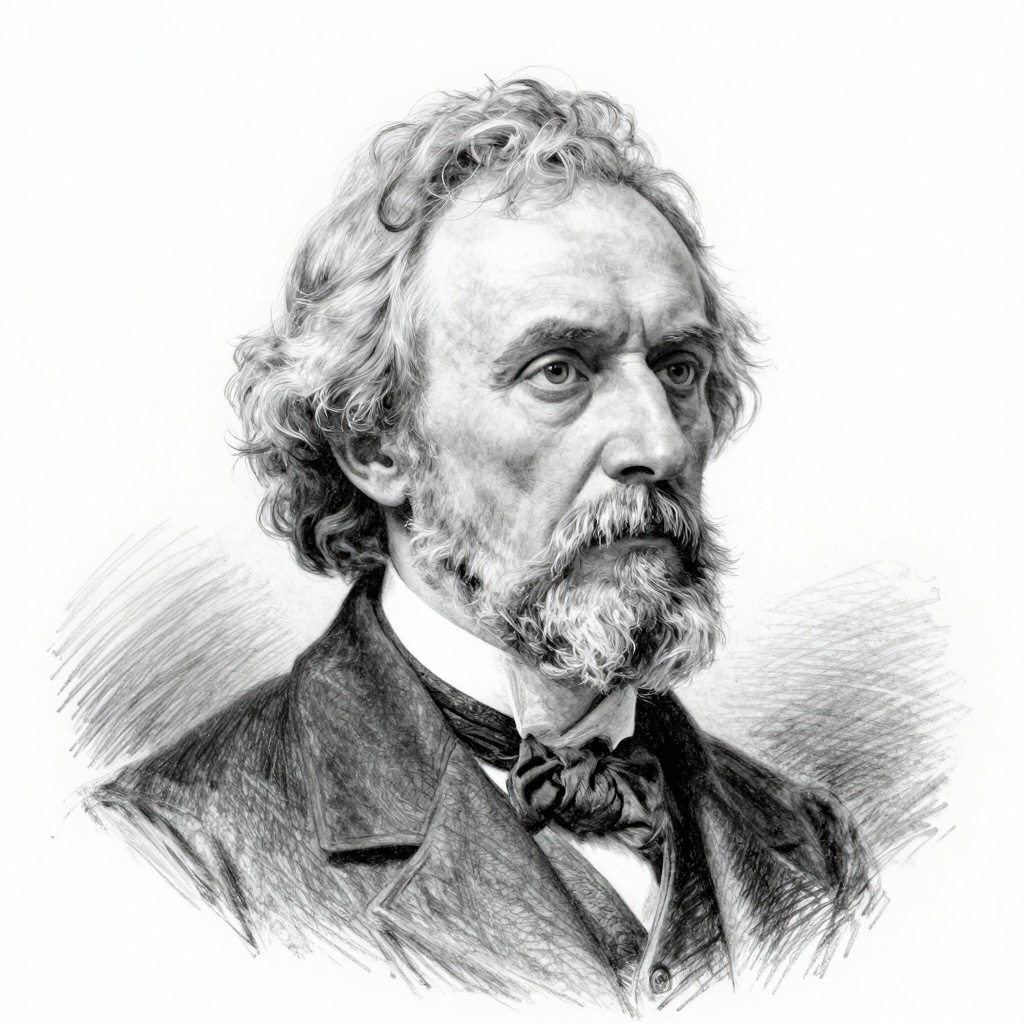
Comments