Quote · Added 14 February 2026
People do not seem to realize that their opinion of the world is also a confession of character.
Ralph Waldo EmersonEssays: Second Series, Character, 1844
Filed underopinion·character·perception
Quote · Added 14 February 2026
Filed underopinion·character·perception
The way you talk about the world tells a story about who you are—maybe one you don't intend to tell. If you're someone who defaults to suspicion, who assumes people are mostly selfish or incompetent, you're revealing something about your own inner landscape. Same with the opposite: someone who sees possibility and good intent everywhere might be describing their own optimism or naivety. Your running commentary on others isn't really about them; it's a mirror.
This matters because most of us don't realize we're constantly broadcasting our character through our judgments. That coworker you describe as lazy, that friend's life choice you call "typical," the news story you interpret as proof of society's decline—these opinions feel factual to you, like you're just seeing what's there. But what you notice, what you emphasize, what you assume about motives—these are choices shaped by who you are and what you've experienced.
The practical takeaway isn't to pretend the world is perfect or to never criticize anything. It's to notice when you're being harsh, cynical, or dismissive, and ask yourself what that says about you. Not in a self-flagellating way, but with genuine curiosity. Are you tired? Hurt? Defensive? Your opinions might not need changing so much as understanding.
1803–1882·lived 78 years
Ralph Waldo Emerson (1803–1882) was an American essayist, lecturer, and poet who led the Transcendentalist movement of the mid-19th century. He is known for his philosophical essays, particularly "Nature" and "Self-Reliance," which emphasize individualism, self-reliance, and the importance of nature as a spiritual force.
Also by Ralph Waldo Emerson
Be silly, be honest, be kind.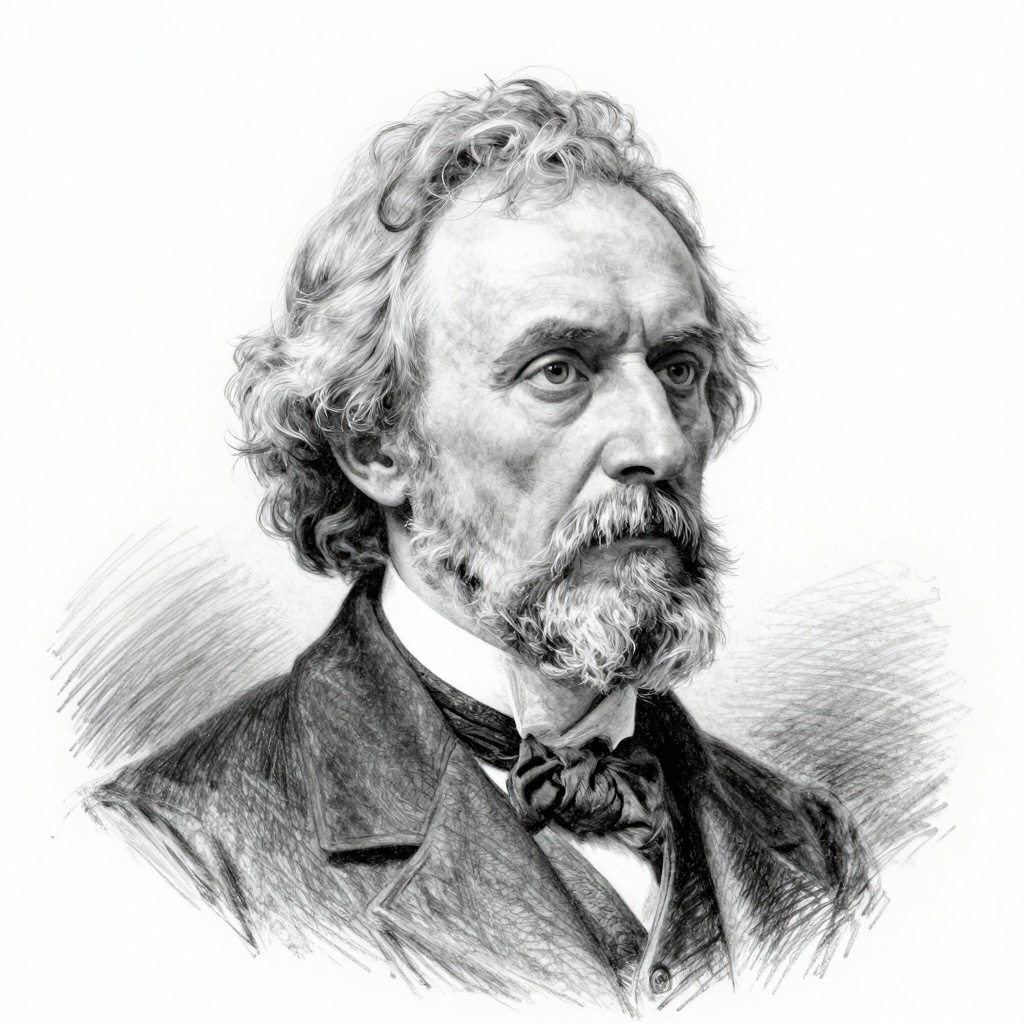
Comments