Quote · Added 14 February 2026
Our greatest glory is not in never failing, but in rising up every time we fail.
Ralph Waldo EmersonThey Said So
Filed underglory·perseverance·resilience
Quote · Added 14 February 2026
Filed underglory·perseverance·resilience
We're sold a story that success means a smooth climb—that real winners don't stumble. But this gets the actual human experience backward. Watch someone who's genuinely good at something, and what you're usually witnessing isn't a person who avoided failure. You're watching someone who's developed the muscle memory of getting back up. They've normalized the fall so much that it doesn't derail them anymore.
The tricky part is that our culture still treats failure like a character flaw. We hide our rejections, our bad attempts, our wrong turns. But the people who end up doing anything meaningful almost always have a longer list of failures than their peers. The difference is they didn't let each one become a story about who they are. They treated it like data—uncomfortable, sure, but useful.
What makes this idea so quietly powerful is that it flips the scoreboard. You're not judged by a perfect record that probably wasn't possible anyway. You're measured by your willingness to try again when it would be easier to quit. That's the kind of glory that's actually within reach, and it's the only kind that feels real when you're living it.
1803–1882·lived 78 years
Ralph Waldo Emerson (1803–1882) was an American essayist, lecturer, and poet who led the Transcendentalist movement of the mid-19th century. He is known for his philosophical essays, particularly "Nature" and "Self-Reliance," which emphasize individualism, self-reliance, and the importance of nature as a spiritual force.
Also by Ralph Waldo Emerson
Be silly, be honest, be kind.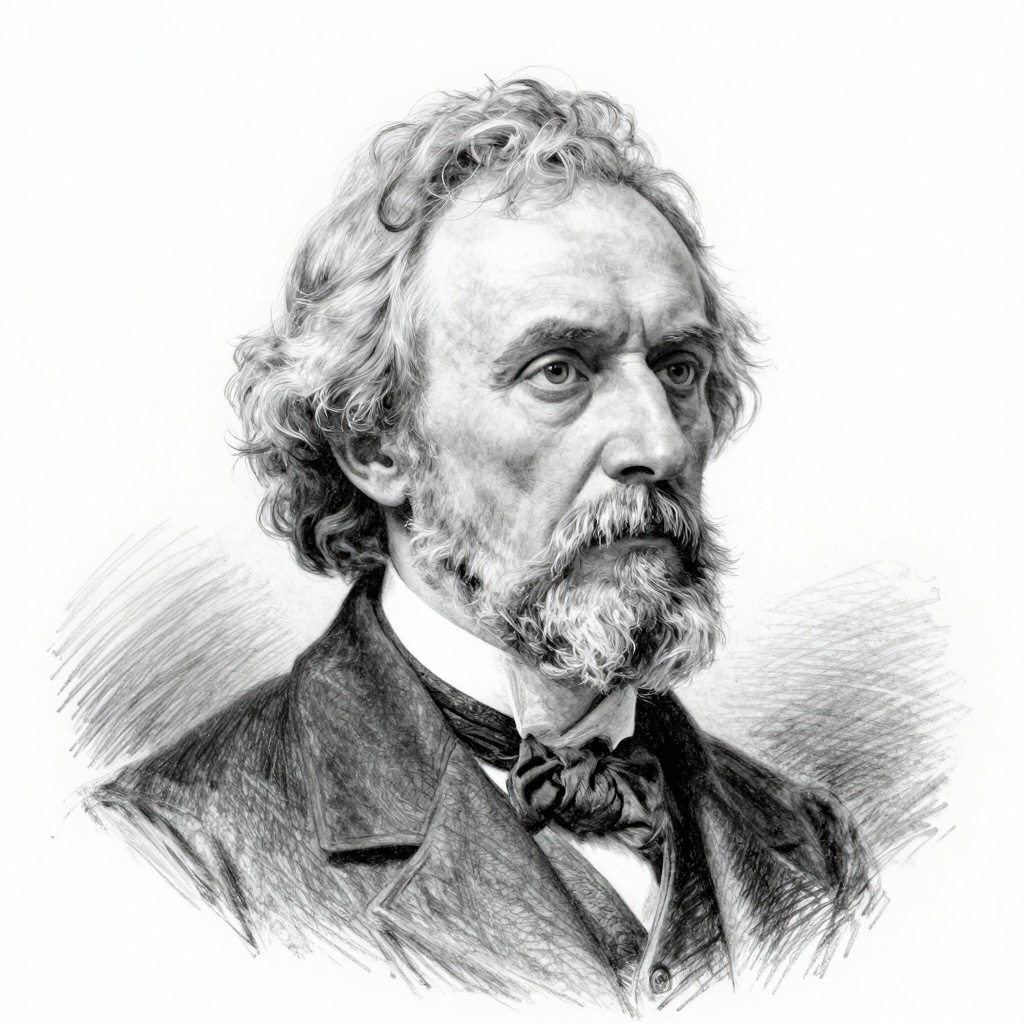
Comments