Quote · Added 14 February 2026
Money often costs too much.
Ralph Waldo EmersonWealth, in Essays, 1841
Quote · Added 14 February 2026
We usually think of money as the solution to problems, but Emerson points at something stranger: the actual price of getting it can wreck us in ways that money can't fix. Working that demanding job for years might pay the bills, but it might also cost you your health, your relationships, or the time to do what actually matters to you. By the time you have the money, you've already spent the currency that was more valuable all along.
This hits different when you notice it in real life. The promotion comes with 60-hour weeks and constant stress. The comfortable lifestyle requires you to stay in a career you've grown to resent. The nice house means you're commuting two hours a day. We make these trades almost without thinking, treating them as normal, then wonder why having the money doesn't feel like winning.
The tricky part is that you often don't see the full cost until much later. That's why the quiet choice matters most: deciding upfront what you won't sacrifice for money, then meaning it. Because the things that actually make life good—attention, rest, presence, autonomy—don't go on sale when you finally get rich.
1803–1882·lived 78 years
Ralph Waldo Emerson (1803–1882) was an American essayist, lecturer, and poet who led the Transcendentalist movement of the mid-19th century. He is known for his philosophical essays, particularly "Nature" and "Self-Reliance," which emphasize individualism, self-reliance, and the importance of nature as a spiritual force.
Also by Ralph Waldo Emerson
Be silly, be honest, be kind.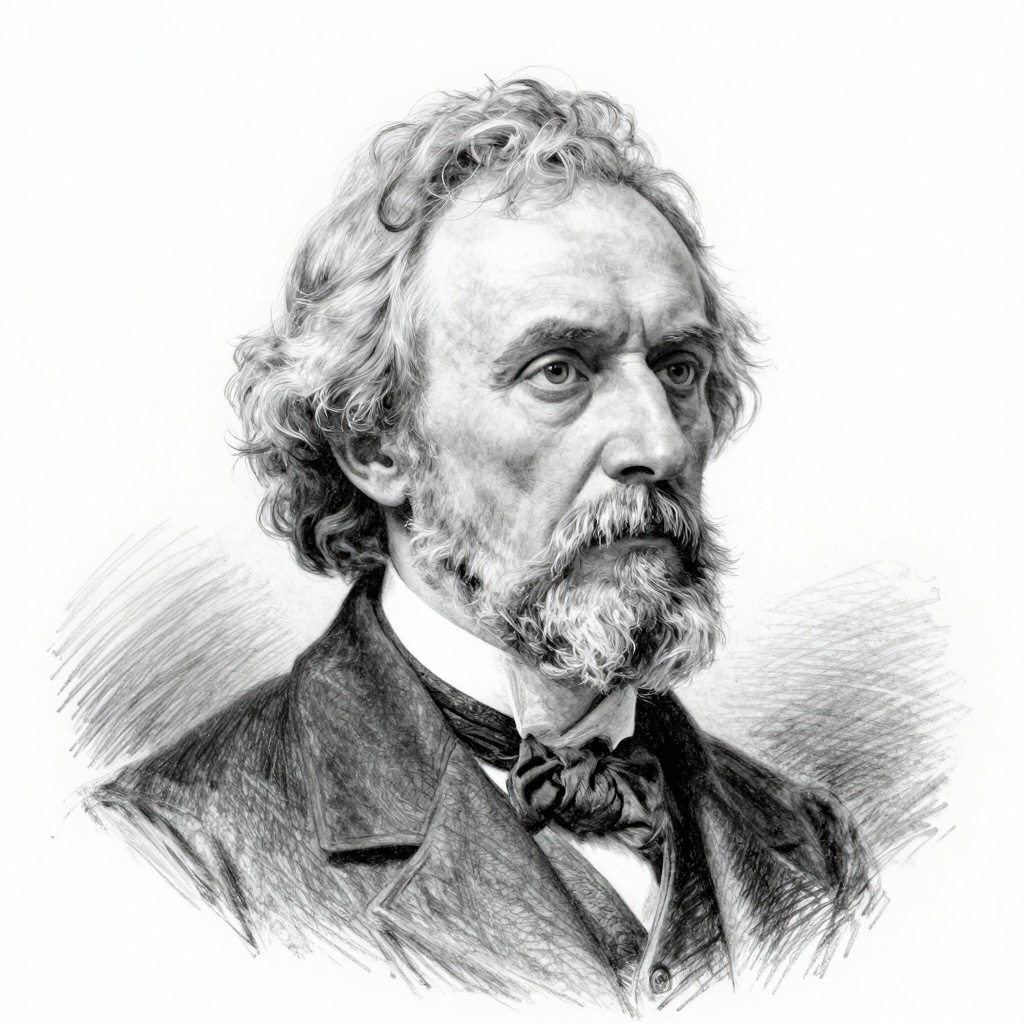
Comments