Quote · Added 14 February 2026
Life is a succession of lessons which must be lived to be understood. All is riddle, and the key to a riddle is another riddle.
Ralph Waldo EmersonEssays: First Series, p. 33, 1841
Filed underlife·lessons·understanding
Quote · Added 14 February 2026
Filed underlife·lessons·understanding
We want answers fast. We want to read the book, take the course, absorb someone else's hard-won wisdom and skip the messy part where we actually have to live through confusion ourselves. But Emerson's point cuts against that impulse: you can't really understand what betrayal feels like by reading about it, or what failure teaches by hearing someone else's recovery story. The lesson only becomes real when it's yours, when you've felt the weight of it.
What's trickier is his second part—that solving one riddle just reveals another. We often think of life like a puzzle with an endpoint, where eventually we'll have it figured out and can relax. Instead, Emerson suggests we're always in the middle of something larger than ourselves, always moving from one mystery into the next. A person might finally understand why their career choice wasn't working, only to face a new question about what actually matters to them. That's not failure; it's how understanding actually works.
This matters today especially because we're drowning in shortcuts—life hacks, optimization strategies, answers delivered on demand. But the things that genuinely change us, that actually sink in, usually require sitting with confusion for a while. Growth doesn't feel like winning; it feels like being perpetually a little lost, asking better questions.
1803–1882·lived 78 years
Ralph Waldo Emerson (1803–1882) was an American essayist, lecturer, and poet who led the Transcendentalist movement of the mid-19th century. He is known for his philosophical essays, particularly "Nature" and "Self-Reliance," which emphasize individualism, self-reliance, and the importance of nature as a spiritual force.
Also by Ralph Waldo Emerson
Be silly, be honest, be kind.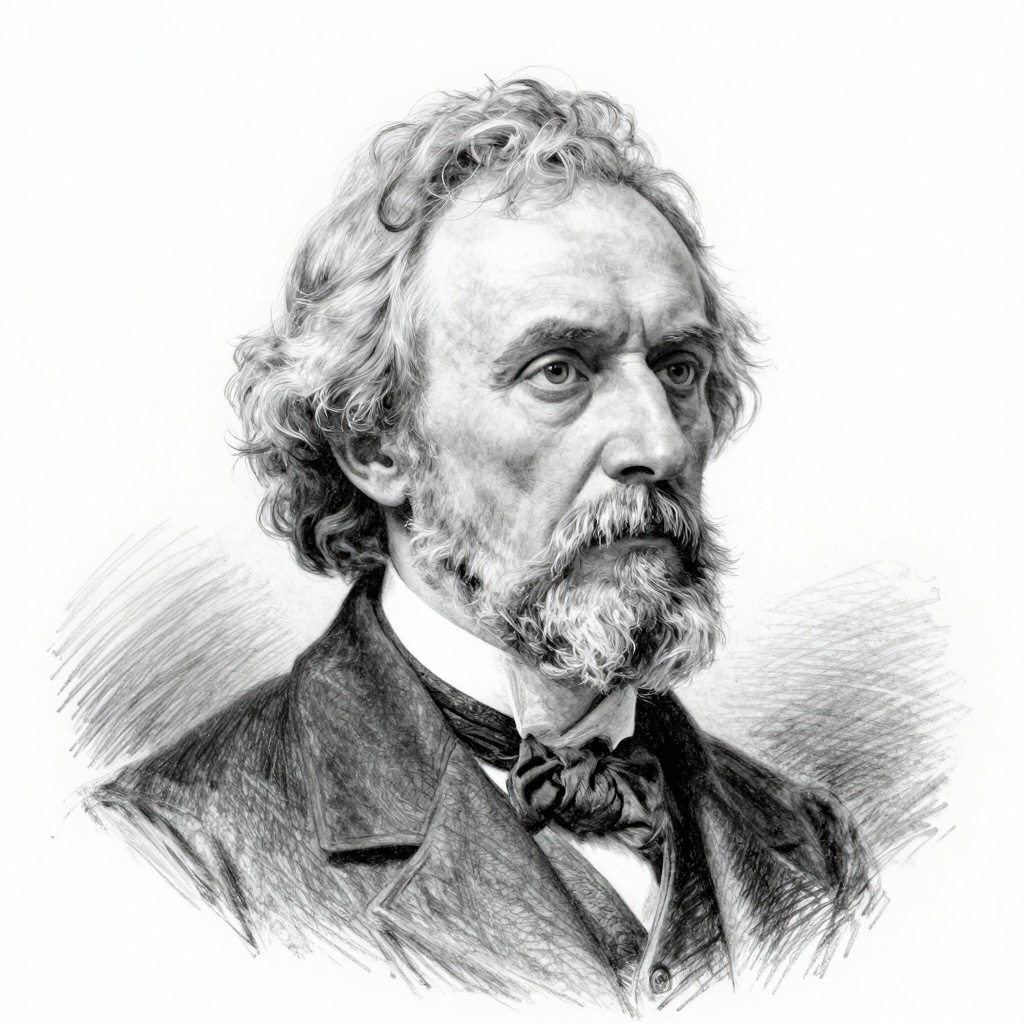
Comments