Quote · Added 18 December 2023
Life is a succession of lessons which must be lived to be understood.
Ralph Waldo EmersonEssays: First Series, 1841
Filed underlife·lessons·understanding
Quote · Added 18 December 2023
Filed underlife·lessons·understanding
You can read every self-help book, listen to every podcast, and ask everyone for advice—but there's something that only actually living through something teaches you. That gap between knowing about heartbreak and feeling it, between understanding intellectually that failure happens and having it shake your confidence, is where real wisdom lives. Emerson isn't saying book learning is worthless. He's pointing out that you can't shortcut experience. Your mistakes, your unexpected turns, the small humiliations and victories—they're not detours from your real education. They're the whole thing.
This hits different in our age of infinite information. We can access someone else's lessons instantly, which feels like we've learned them. But there's a difference between thinking "I understand why people stay in bad situations" and actually knowing the weight of that choice. The lesson about patience doesn't stick until you've been genuinely impatient and faced what that cost you. Life isn't a test you study for beforehand—it's the studying itself, as you go.
The sneaky part: this doesn't mean you need to learn everything the hard way. You can be smart about which lessons you're willing to learn through direct experience and which you can borrow from others. But the deep ones, the ones that actually change how you move through the world? Those almost always require your own skin in the game.
1803–1882·lived 78 years
Ralph Waldo Emerson (1803–1882) was an American essayist, lecturer, and poet who led the Transcendentalist movement of the mid-19th century. He is known for his philosophical essays, particularly "Nature" and "Self-Reliance," which emphasize individualism, self-reliance, and the importance of nature as a spiritual force.
Also by Ralph Waldo Emerson
Be silly, be honest, be kind.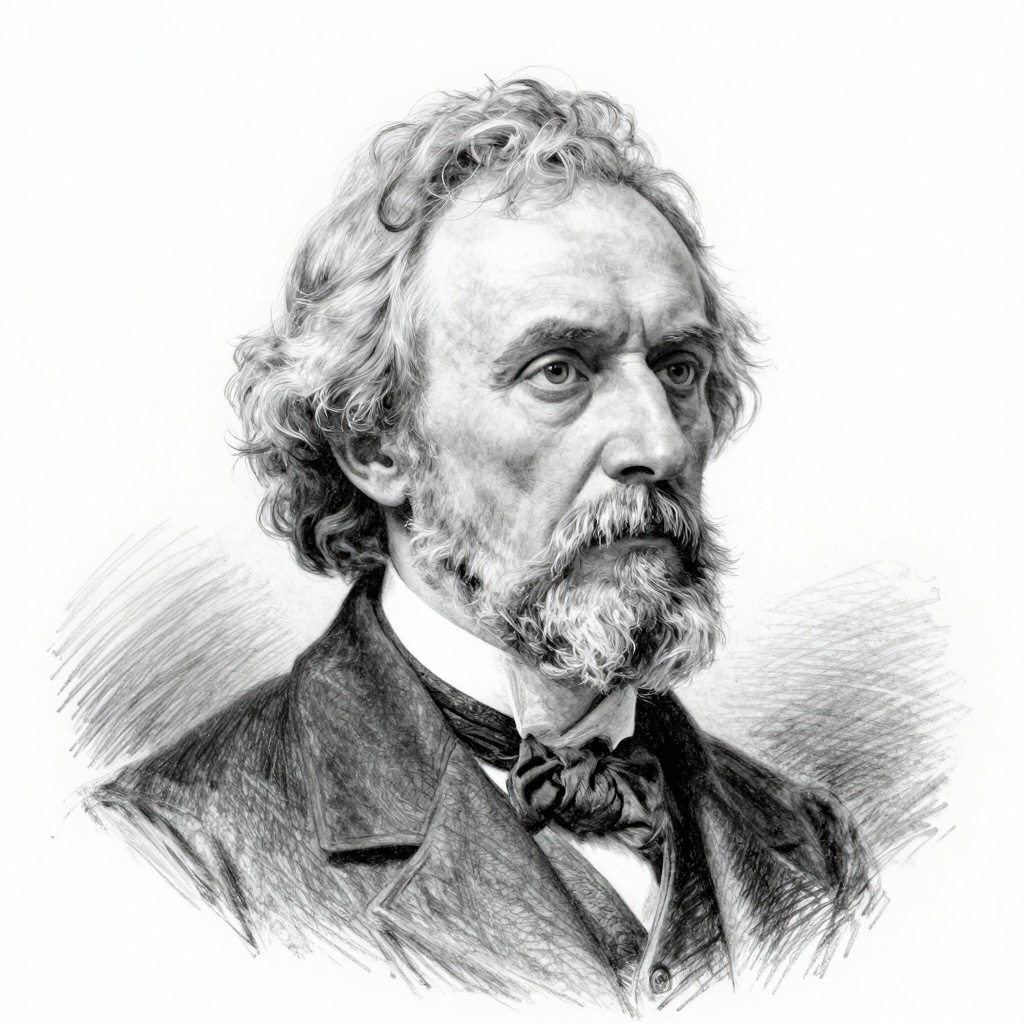
Comments