Quote · Added 15 February 2026
Don't be pushed by your problems. Be led by your dreams.
Filed underdreams·motivation·resilience
Quote · Added 15 February 2026
Filed underdreams·motivation·resilience
We spend so much mental energy running away from what's wrong that we forget to run toward what we actually want. Your problems are real—the bills, the difficult relationships, the health concerns—but they're also surprisingly good at hijacking your attention. When you lead with them, you're essentially letting them choose your direction. You wake up thinking about what you need to fix instead of what you want to build.
The shift Emerson suggests is subtle but powerful: dreams don't eliminate problems, they just reorient you. Instead of asking "What do I need to escape?" you ask "Where do I want to go?" That changes everything about how you move through the day. Someone pursuing a dream might still face the same obstacles, but they're working through them toward something, not just working to get relief from pressure. That forward momentum creates a different kind of energy—more creative, more resilient.
The tricky part is that dreams feel less urgent than problems. A problem screams for attention right now. Your dream whispers. But problems have a way of expanding to fill whatever space you give them, while dreams only grow when you actively tend to them. The choice isn't between having problems or not—it's about which one you let steer the ship.
1803–1882·lived 78 years
Ralph Waldo Emerson (1803–1882) was an American essayist, lecturer, and poet who led the Transcendentalist movement of the mid-19th century. He is known for his philosophical essays, particularly "Nature" and "Self-Reliance," which emphasize individualism, self-reliance, and the importance of nature as a spiritual force.
Also by Ralph Waldo Emerson
Be silly, be honest, be kind.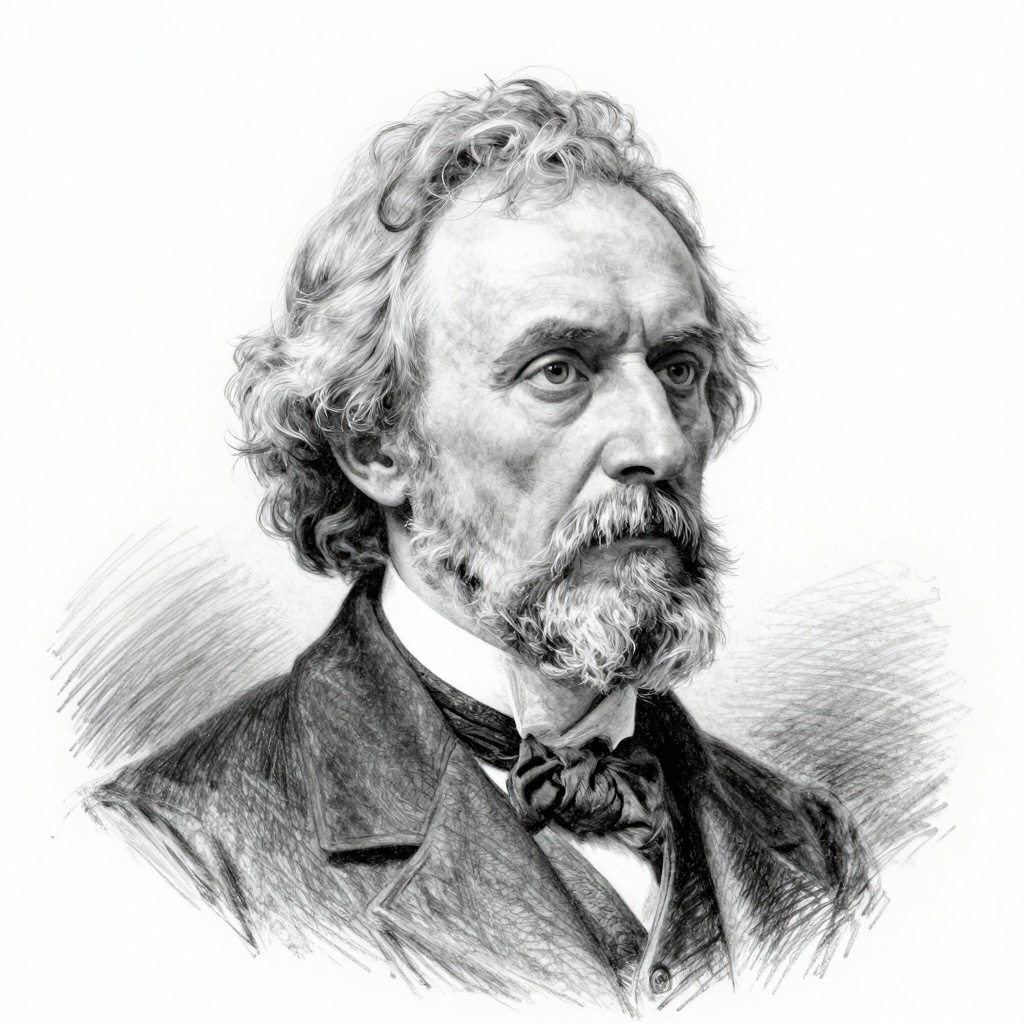
Comments