Quote · Added 28 February 2026
As long as a man stands in his own way, everything seems to be in his way.
Filed underobstacle·mindset·self-sabotage
Quote · Added 28 February 2026
Filed underobstacle·mindset·self-sabotage
We've all felt it—that peculiar moment when everything seems to go wrong at once. Your project stalls, people disappoint you, opportunities dry up. But Emerson's pointing at something stranger: often the real blockage isn't out there. It's us, standing in our own path like an obstacle we refuse to see.
This happens in surprisingly small ways. You want to change careers but convince yourself the market is impossible. You'd like to make friends but decide people won't understand you. You could start the project, but first you need the perfect conditions. Each time, we name external enemies—bad timing, other people, circumstances—when really we're the ones creating the barrier. We're too afraid to try, too invested in how things should be, or too busy protecting ourselves from failure.
The liberating part? If you're the obstacle, you're also the solution. It means that removing yourself from the way—getting honest about your actual fears, dropping the excuses, taking one small step despite uncertainty—suddenly opens up space. The world doesn't change. Your perspective does. And that changes everything.
1803–1882·lived 78 years
Ralph Waldo Emerson (1803–1882) was an American essayist, lecturer, and poet who led the Transcendentalist movement of the mid-19th century. He is known for his philosophical essays, particularly "Nature" and "Self-Reliance," which emphasize individualism, self-reliance, and the importance of nature as a spiritual force.
Also by Ralph Waldo Emerson
Be silly, be honest, be kind.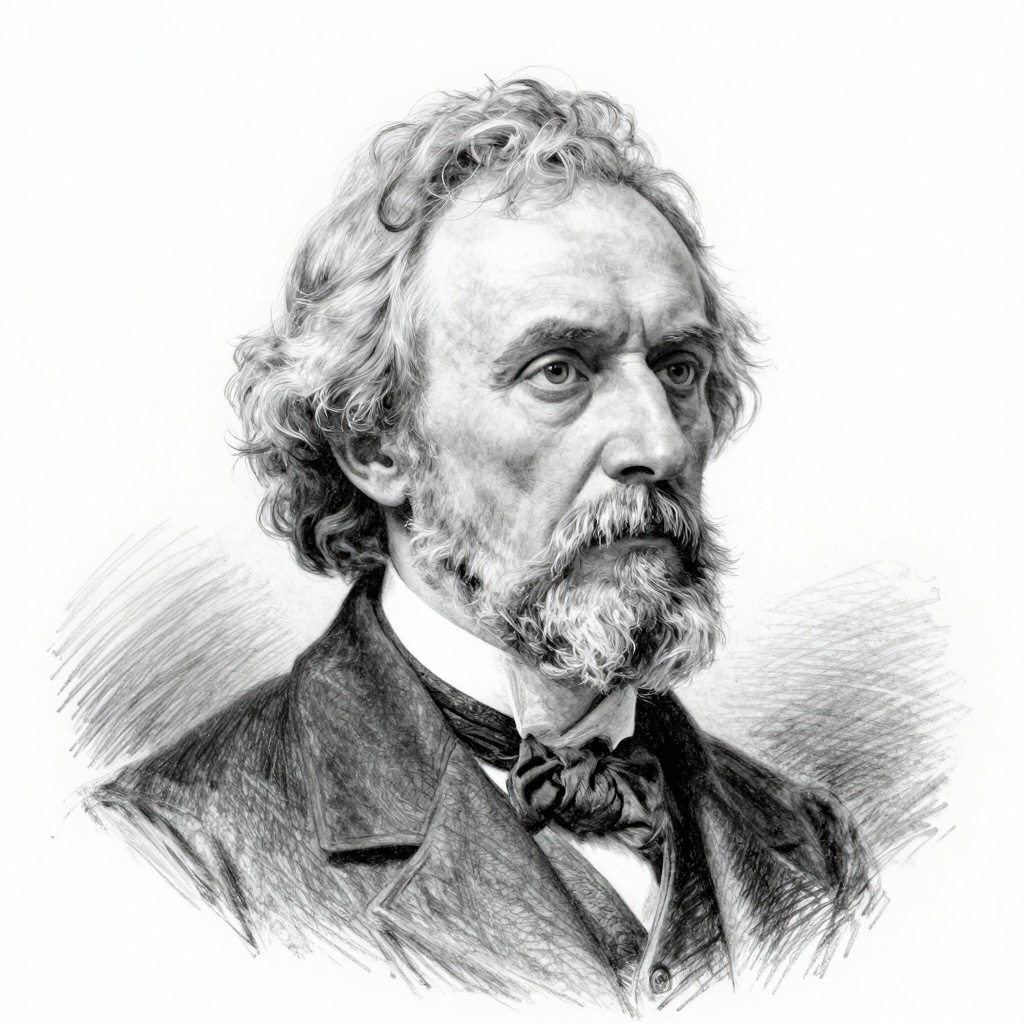
Comments