Quote · Added 14 February 2026
All I have seen teaches me to trust the creator for all I have not seen.
Ralph Waldo EmersonNatural Abundance: Ralph Waldo Emerson's Guide to Prosperity
Quote · Added 14 February 2026
There's something almost radical about this statement when you sit with it. Emerson isn't talking about blind faith or pretending uncertainty doesn't exist. He's saying that every single thing you've already witnessed—the way nature recovers after winter, how relationships sometimes heal unexpectedly, how you've managed to get through hard times before—all of that is evidence. It's data. The pattern suggests that whatever comes next might work out too, even when you can't see how.
Most of us get this backwards. We obsess over what we can't control, what we can't predict, what might go wrong. But Emerson is pointing to a quieter practice: actually looking at what you've already survived, learned, and witnessed. Not in a toxic-positivity way, but as a genuine reality check. The person who's weathered job loss, heartbreak, and self-doubt before has actual evidence that they're more resilient than their anxiety suggests. That's not optimism—that's pattern recognition.
The trick is paying attention to this evidence when it's happening. Most people rush past their small victories, their unexpected good fortune, the moments when things worked out despite the odds. That's where trust actually comes from—not from pretending bad things won't happen, but from remembering that you and the world have proven more capable than fear wants to believe.
1803–1882·lived 78 years
Ralph Waldo Emerson (1803–1882) was an American essayist, lecturer, and poet who led the Transcendentalist movement of the mid-19th century. He is known for his philosophical essays, particularly "Nature" and "Self-Reliance," which emphasize individualism, self-reliance, and the importance of nature as a spiritual force.
Also by Ralph Waldo Emerson
Be silly, be honest, be kind.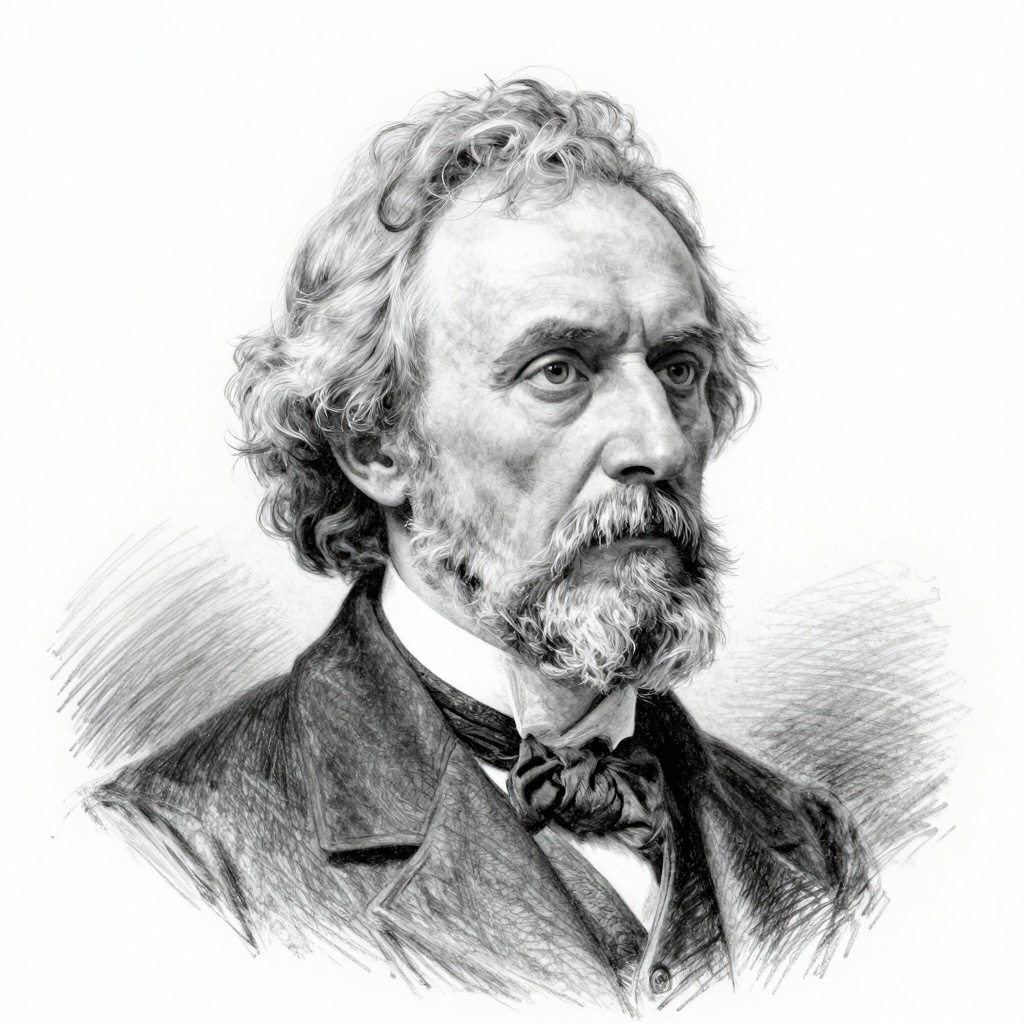
Comments