Quote · Added 14 February 2026
A foolish consistency is the hobgoblin of little minds, adored by little statesmen and philosophers and divines.
Ralph Waldo EmersonEssays, First Series, p. 25, 1841
Filed underconsistency·foolishness·intellect
Quote · Added 14 February 2026
Filed underconsistency·foolishness·intellect
We're oddly afraid of changing our minds. Someone asks what you think about something, you take a position, and then—even when you learn something new or your circumstances shift—you stick with it. There's a weird social pressure to seem reliable, stable, "not a flip-flopper." But Emerson's point cuts deeper: blindly defending old positions just to avoid looking inconsistent isn't integrity. It's actually a sign you've stopped thinking.
The tricky part is that consistency can be good—it's the foundation of trust and principles. The problem is "foolish consistency," which is defending an old belief not because evidence supports it, but because you said it once and now you're locked in. It's the difference between having values and being trapped by your own past statements. You see this everywhere: in politics, in relationships, in how people cling to outdated career plans or outdated self-images just because "that's who I am."
Real growth demands flexibility. The people who seem most alive and awake are the ones comfortable saying "I was wrong about that" or "I used to think this way, but now..." They're not being flaky—they're actually paying attention to reality as it changes. That takes more courage than defending yesterday's certainty.
1803–1882·lived 78 years
Ralph Waldo Emerson (1803–1882) was an American essayist, lecturer, and poet who led the Transcendentalist movement of the mid-19th century. He is known for his philosophical essays, particularly "Nature" and "Self-Reliance," which emphasize individualism, self-reliance, and the importance of nature as a spiritual force.
Also by Ralph Waldo Emerson
Be silly, be honest, be kind.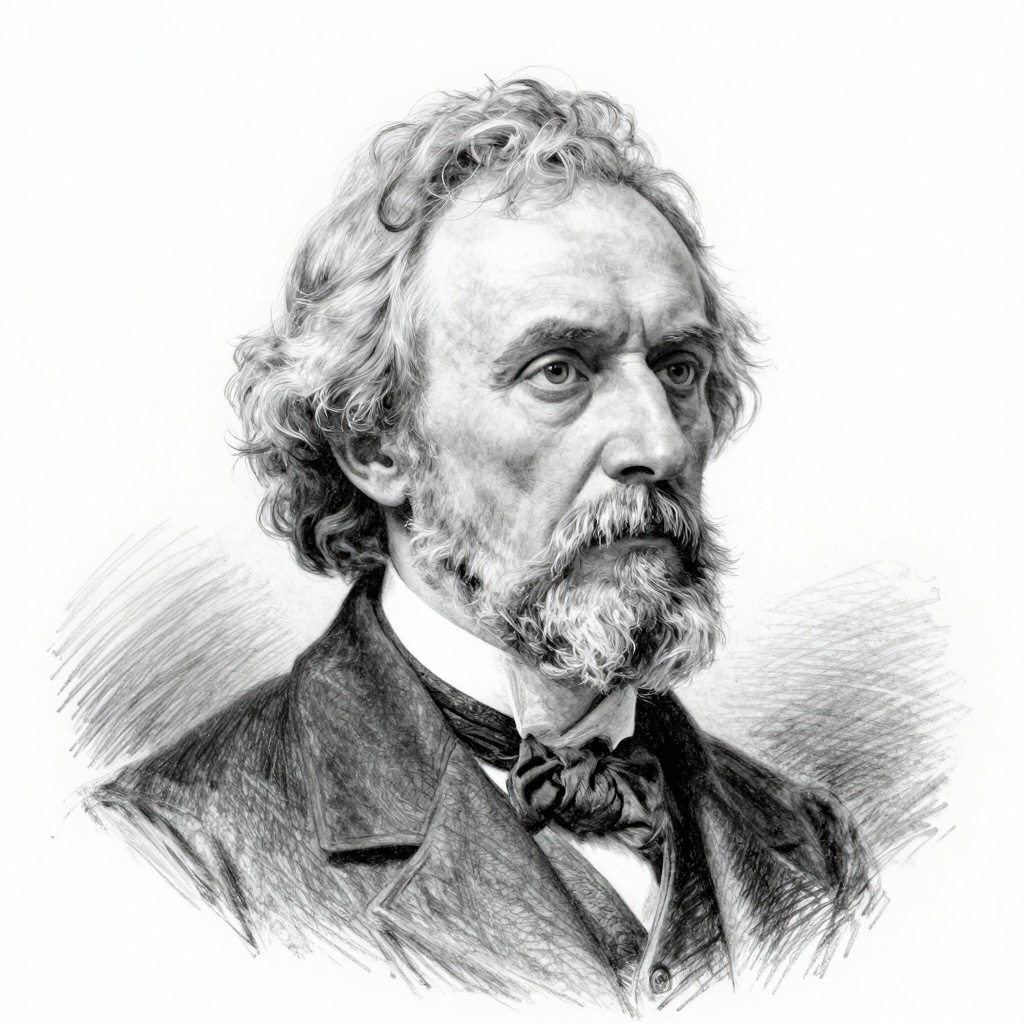
Comments