Quote · Added 14 February 2026
Strength of mind rests in sobriety; for this keeps your reason unclouded by passion.
PythagorasOn the Meaning and the Wisdom of Life, Excellence Reporter
Quote · Added 14 February 2026
We live in a culture that treats emotional intensity as proof of authenticity. We valorize passion—the big declarations, the righteous anger, the all-consuming drive. But Pythagoras is pointing at something we actually know from experience: the moments when we handle difficult situations well aren't usually our most emotionally flooded moments. They're the quieter ones, when we've stepped back enough to see clearly.
Sobriety here means more than avoiding substances. It means keeping some distance between what you're feeling and what you're doing about it. That gap is where actual strength lives. When you're in the grip of fury or fear or desperate wanting, your options narrow. You react from the amygdala, not from the part of your brain that can see around corners or imagine consequences. The person who can stay steady while everyone else is spinning isn't being cold or passionless—they're actually the one with access to more power, more choice, more real influence.
The trick is that sobriety requires practice. It's not something you find in a peak moment. It's built through small choices: pausing before you respond, sitting with discomfort for thirty seconds instead of immediately moving, asking yourself what you actually want before you act. That's where reason gets unclouded, and strength becomes something you can actually rely on.
d. 497
Pythagoras was an ancient Greek philosopher and mathematician, best known for his contributions to mathematics, particularly the Pythagorean theorem, which relates the sides of a right triangle. He founded the Pythagorean school, which combined religious and philosophical teachings with mathematical principles. Pythagoras' work laid the foundations for various areas of mathematics and significantly influenced Western thought.
Also by Pythagoras
Educate the children and it won't be necessary to punish the men.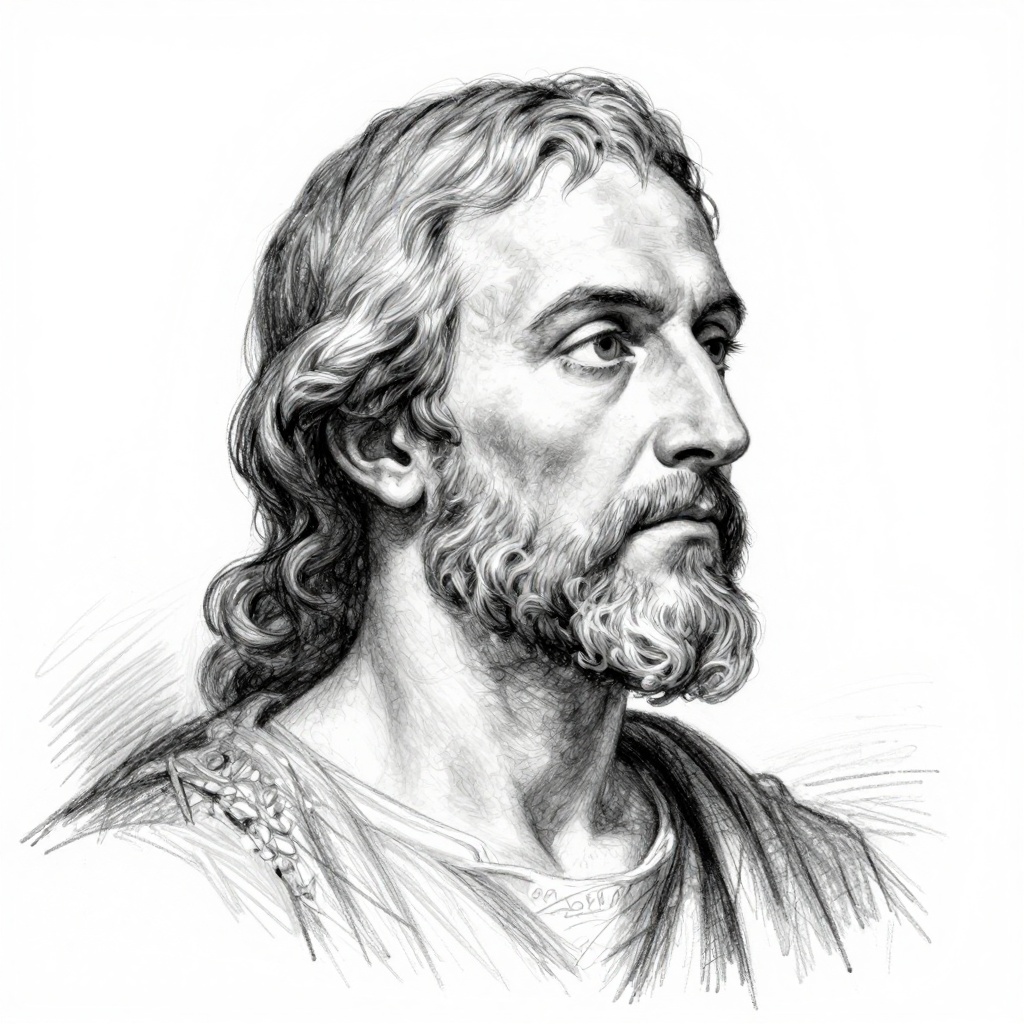
Comments