Quote · Added 14 February 2026
I hasten to laugh at everything, for fear of being obliged to weep.
Pierre BeaumarchaisLe Barbier de Séville, Act I, sc. ii, Harbottle and Dalbiac, 1904
Quote · Added 14 February 2026
There's a particular kind of person who laughs hardest at the darkest jokes, who can crack wise about almost anything. Often we admire this trait—it seems like confidence, like nothing gets under their skin. But Beaumarchais is pointing at something more fragile: sometimes we laugh frantically precisely because we're terrified of what we'll feel if we stop.
This shows up everywhere in modern life. The colleague who jokes through every difficult meeting. The friend who deflects serious conversations with humor. Even the way we scroll past terrible news with memes instead of sitting with real sadness or anger. We've built an entire internet culture around this impulse—rapid-fire jokes as a way to metabolize pain without actually processing it.
The uncomfortable part? Beaumarchais suggests these aren't separate impulses—humor and tears aren't opposites, they're two sides of the same sensitivity. The person who laughs easily often feels deeply. That's not a weakness to hide with better comedic timing. Sometimes the bravest thing isn't laughing at everything or weeping openly, but having the courage to choose either one consciously, rather than defaulting to laughter out of pure self-protection.
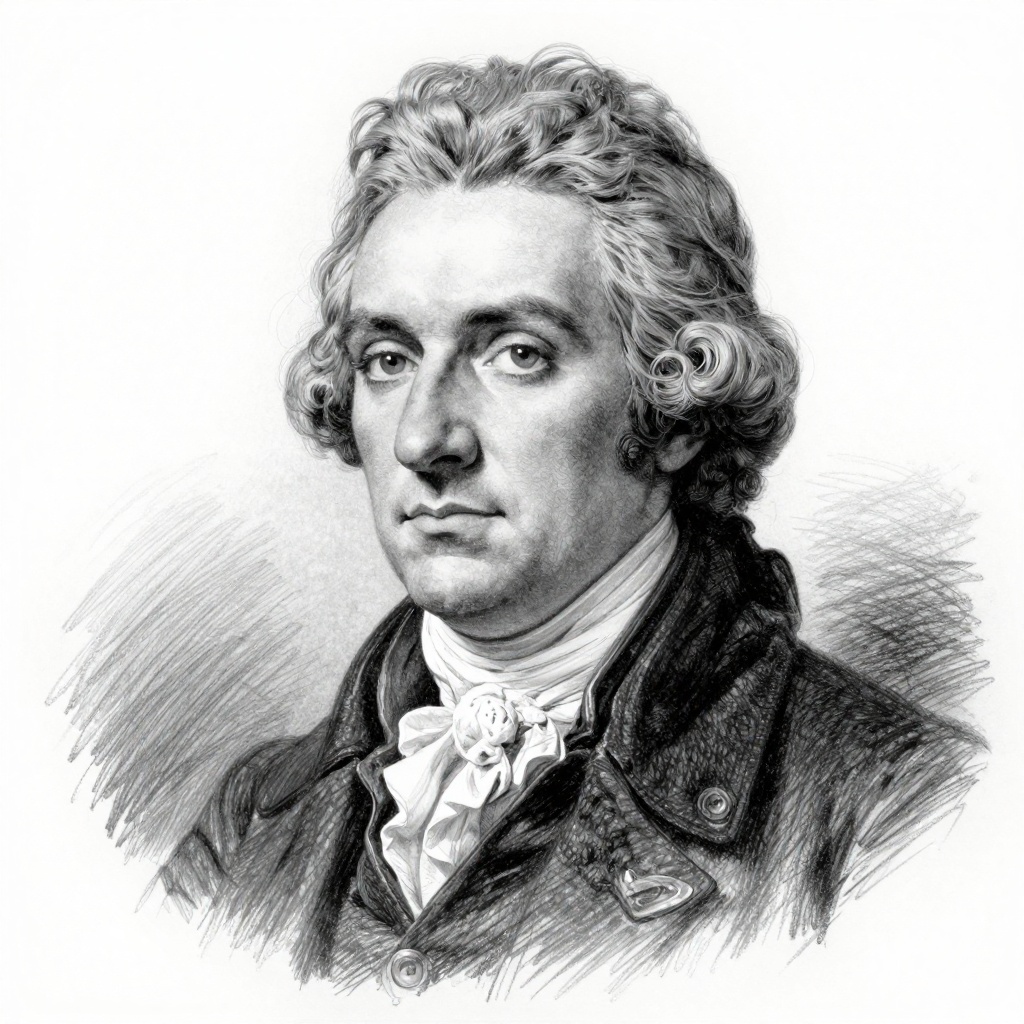
1732–1799·lived 67 years
Pierre Beaumarchais was a French playwright, inventor, and political activist born on April 24, 1732. He is best known for his comedic plays, particularly "The Barber of Seville" and "The Marriage of Figaro," which prominently feature themes of class struggle and social commentary. In addition to his literary contributions, Beaumarchais played a notable role in supporting the American Revolution by facilitating arms and supplies to the colonies.
Comments