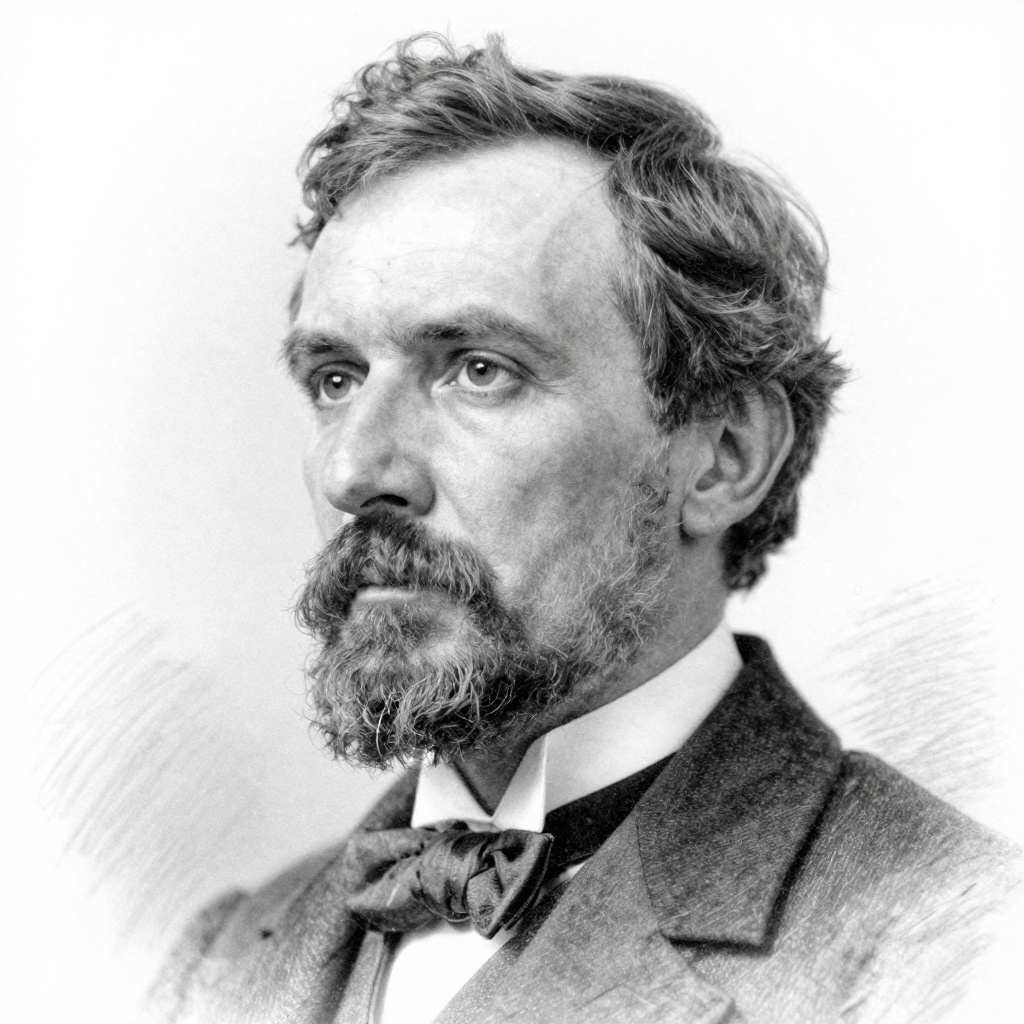
So, let us, you and I, for the sake of our brother man, individually strive by example and influence to lift t... — Ossian Everett Mills

So, let us, you and I, for the sake of our brother man, individually strive by example and influence to lift the standard of thought and conduct from the low level of selfishness and self-indulgence up to the lofty realms of aspirational thought and self-denial.

Author: Ossian Everett Mills

Insight: We live in an age of incredibly visible selfishness. Every scroll through social media shows someone optimizing their life for comfort, status, or pleasure. And yet Mills touches on something we actually know but rarely say out loud: the person who lifts others highest isn't usually the one preaching about morality—it's the one who quietly refuses the easy path. The strength of this idea is that it's not about grand gestures or saving the world. It's about the daily choice to be the example. When you skip the snappy comeback that would feel satisfying, when you stay late to help someone, when you choose integrity when nobody's watching—that ripple matters more than any speech. People don't adopt higher standards because someone tells them to. They do it because they watched someone they respect actually live that way. What's tricky about Mills' vision today is that "self-denial" sounds almost quaint. We've been sold the idea that fulfilling ourselves is the whole point. But most of us know deep down that the moments we respect ourselves most aren't when we got what we wanted—they're when we wanted something and chose differently. That's the standard he's asking us to set.

Your example lifts higher than words

So, let us, you and I, for the sake of our brother man, individually strive by example and influence to lift the standard of thought and conduct from the low level of selfishness and self-indulgence up to the lofty realms of aspirational thought and self-denial.

We live in an age of incredibly visible selfishness. Every scroll through social media shows someone optimizing their life for comfort, status, or pleasure. And yet Mills touches on something we actually know but rarely say out loud: the person who lifts others highest isn't usually the one preaching about morality—it's the one who quietly refuses the easy path.

The strength of this idea is that it's not about grand gestures or saving the world. It's about the daily choice to be the example. When you skip the snappy comeback that would feel satisfying, when you stay late to help someone, when you choose integrity when nobody's watching—that ripple matters more than any speech. People don't adopt higher standards because someone tells them to. They do it because they watched someone they respect actually live that way.

What's tricky about Mills' vision today is that "self-denial" sounds almost quaint. We've been sold the idea that fulfilling ourselves is the whole point. But most of us know deep down that the moments we respect ourselves most aren't when we got what we wanted—they're when we wanted something and chose differently. That's the standard he's asking us to set.

AI generated

Comments

Sign in to leave a comment or reply to one.

Sign in

Ossian Everett Mills

Ossian Everett Mills was an American educator and philanthropist, best known for founding the New England Conservatory of Music in 1867. He dedicated his life to promoting music education and the arts, significantly impacting the cultural landscape of Boston and the wider music community. Mills also played a crucial role in fostering the development of several musical organizations and scholarship programs.

Graph

Related