Quote · Added 14 February 2026
The man who has no money is poor, but one who has nothing but money is poorer. He only is rich who can enjoy without owning; he is poor who though he has millions is covetous.
Filed underwealth·poverty·contentment
Quote · Added 14 February 2026
Filed underwealth·poverty·contentment
We tend to think of poverty and wealth as simple math—your bank account either has enough zeros or it doesn't. But this quote flips that around in a way that actually tracks with real life. You probably know someone with genuine financial security who still feels chronically anxious about money, always calculating, always worried it could disappear. Or someone with modest means who seems genuinely content, who can walk past something beautiful and just enjoy it without needing to possess it.
The tricky part is that enjoying without owning goes against how we're wired. Wanting to keep, collect, and secure things is natural. But there's a real cost to that constant grasping—it's exhausting, and it never quite satisfies. The person who can watch a sunset, listen to a friend's story, or walk through a museum and feel genuinely enriched without thinking "I need this" has unlocked something money actually can't buy.
This matters now more than ever because we live in a world designed to make us feel poor no matter what we have. There's always a newer version, a better experience, a status upgrade within reach. The actual freedom—the real wealth—comes from being able to pause that wanting sometimes and simply notice what's already there.
1850–1924·lived 74 years
Orison Swett Marden (1850-1924) was an American author and entrepreneur. He was known for his self-help books that focused on personal development, success, and the power of positive thinking. Marden founded Success Magazine in 1897, which further solidified his reputation as a pioneer in the self-improvement genre.
Also by Orison Swett Marden
The golden opportunity you are seeking is in yourself. It is not in your environment; it i...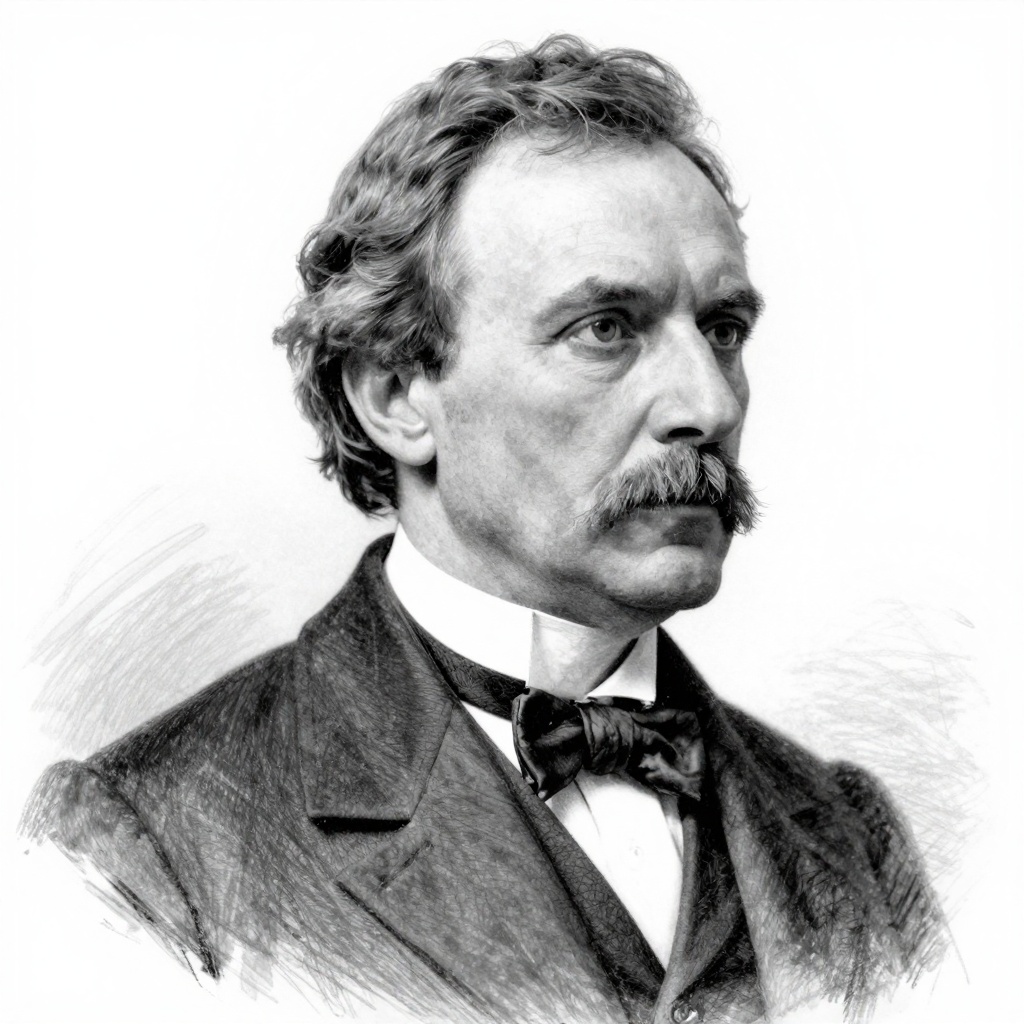
Comments