Quote · Added 8 February 2026
The mind, once stretched by a new idea, never returns to its original dimensions.
Oliver Wendell Holmes Sr.The Autocrat of the Breakfast-Table, 1858
Quote · Added 8 February 2026
There's something irreversible that happens when you genuinely understand something for the first time. You can't unsee it. Once you grasp why someone else's perspective makes sense—even if you don't fully agree—you're stuck with that knowledge. You can't go back to thinking the world works the way you did before. This is both liberating and uncomfortable, which is probably why growth feels so much like leaving something behind.
The tricky part is that this expansion happens whether we're ready for it or not. You learn your hero has real flaws. You understand your opponent's logic. You see how privilege shaped your advantages. These aren't moments you can simply reject or switch off. They live in your mind now, changing how you process everything else. That's what makes intellectual honesty so costly—and why people sometimes resist new information. It's not stupidity; it's the legitimate fear of the permanent weight of knowing more.
The hopeful part is recognizing this as a feature, not a bug. The mind that keeps stretching, that keeps taking in new dimensions of the world, doesn't shrink when it stops learning. It just gets stuck. So the real question isn't whether we can return to our original dimensions—we can't—but whether we're brave enough to keep stretching.
1809–1894·lived 85 years
Oliver Wendell Holmes Sr. was an American physician, poet, and essayist, known for his wit and wisdom in his literary works. He was also a professor of Anatomy and Physiology at Harvard University and one of the prominent figures of the 19th century American literary scene.
Also by Oliver Wendell Holmes Sr.
Put not your trust in money, but put your money in trust.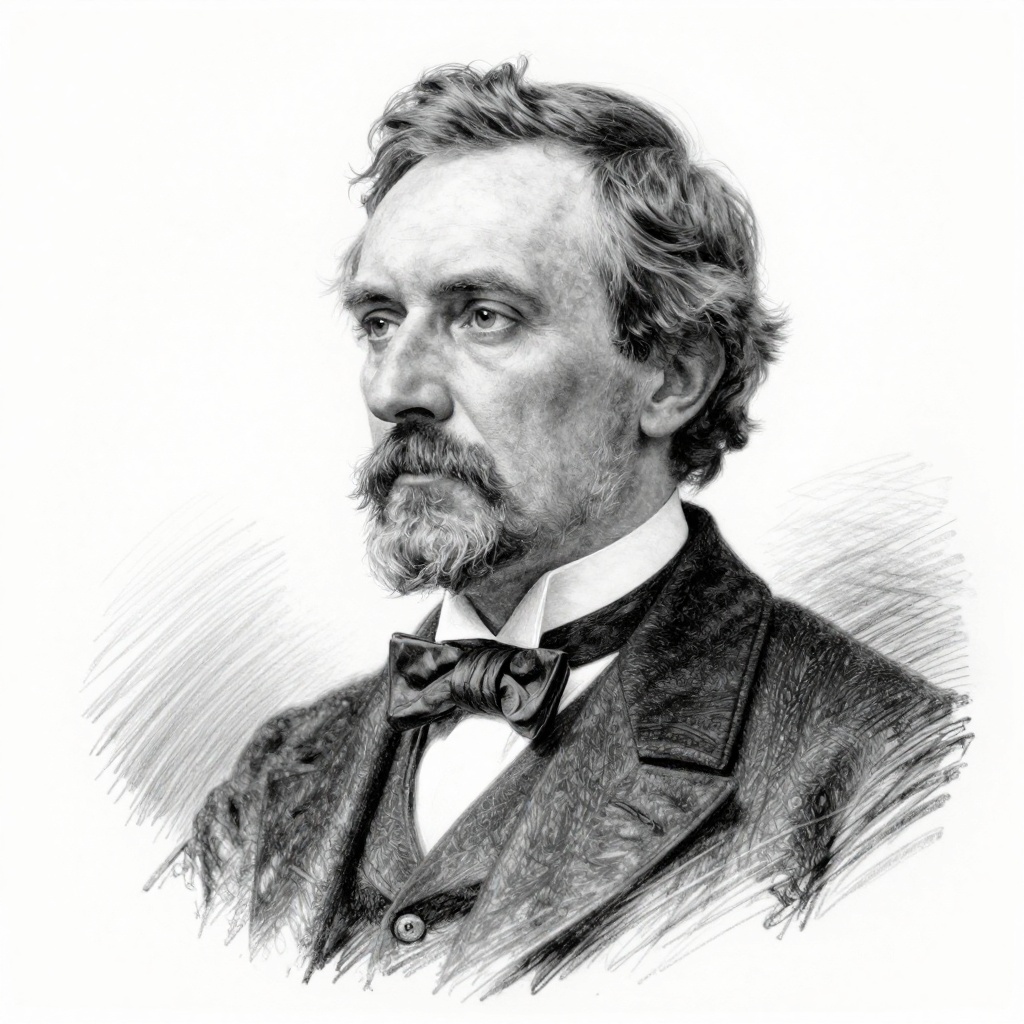
Comments