Quote · Added 14 February 2026
Put not your trust in money, but put your money in trust.
Oliver Wendell Holmes Sr.The Autocrat of the Breakfast-Table, p. 123, 1858
Quote · Added 14 February 2026
Most of us reverse this completely. We trust money to solve our problems—to buy security, happiness, freedom—while treating the actual act of investing it as almost an afterthought. We save grudgingly, invest cautiously if at all, and worry constantly about whether we have "enough." But Holmes is pointing at something more useful: stop asking money to be your security blanket, and instead use it as a tool for something that actually matters.
When you "put your money in trust," you're doing something psychologically different. You're directing it somewhere with intention—toward a goal, a person you care about, a cause, your own future self. Money becomes active rather than defensive. This shifts you from scarcity thinking (hoarding, fear of loss) to abundance thinking (building, creating, contributing). It's the difference between holding tight and planting seeds.
The practical angle here is that your relationship with money improves dramatically when you stop trying to squeeze safety from it. A modest amount directed purposefully—toward education, a skill, helping someone, your retirement—tends to compound both financially and emotionally. Money trusted to do a job actually works better than money clutched out of fear.
1809–1894·lived 85 years
Oliver Wendell Holmes Sr. was an American physician, poet, and essayist, known for his wit and wisdom in his literary works. He was also a professor of Anatomy and Physiology at Harvard University and one of the prominent figures of the 19th century American literary scene.
Also by Oliver Wendell Holmes Sr.
The mind, once stretched by a new idea, never returns to its original dimensions.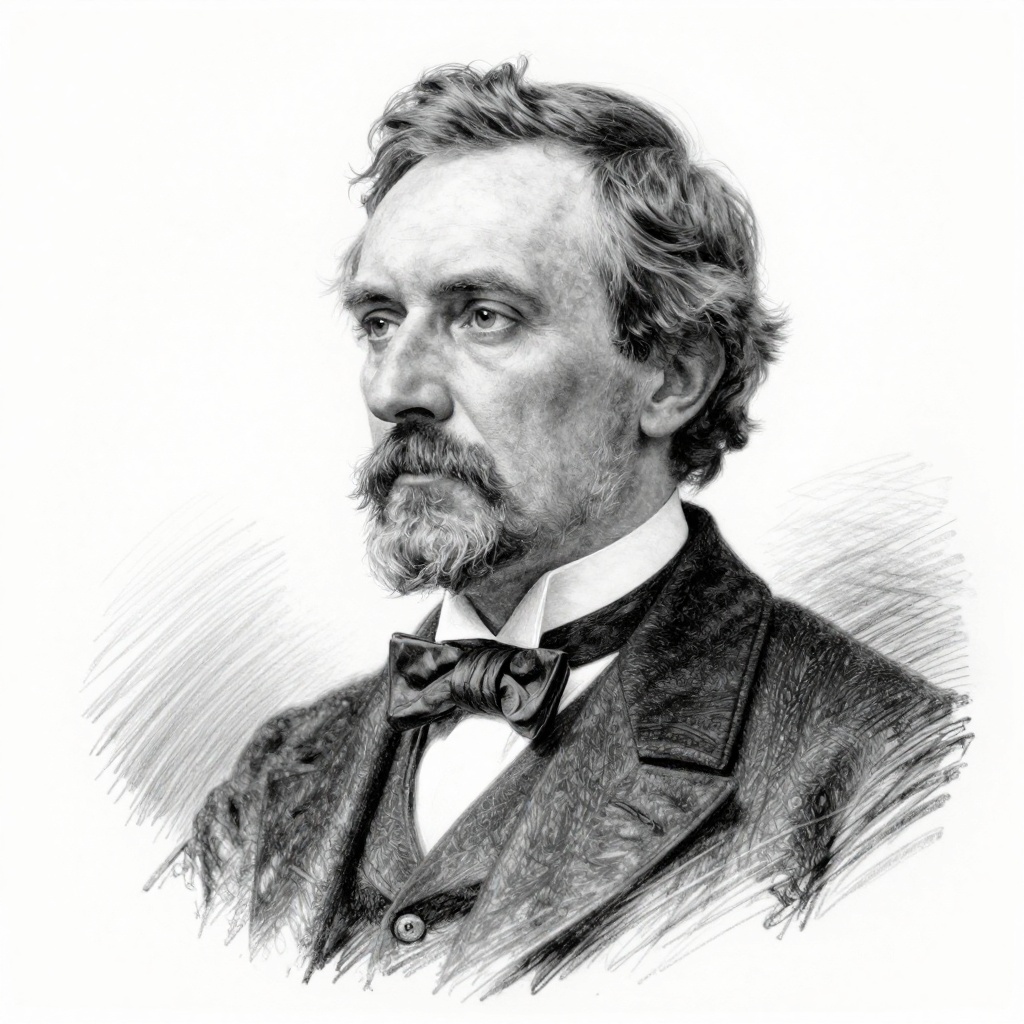
Comments